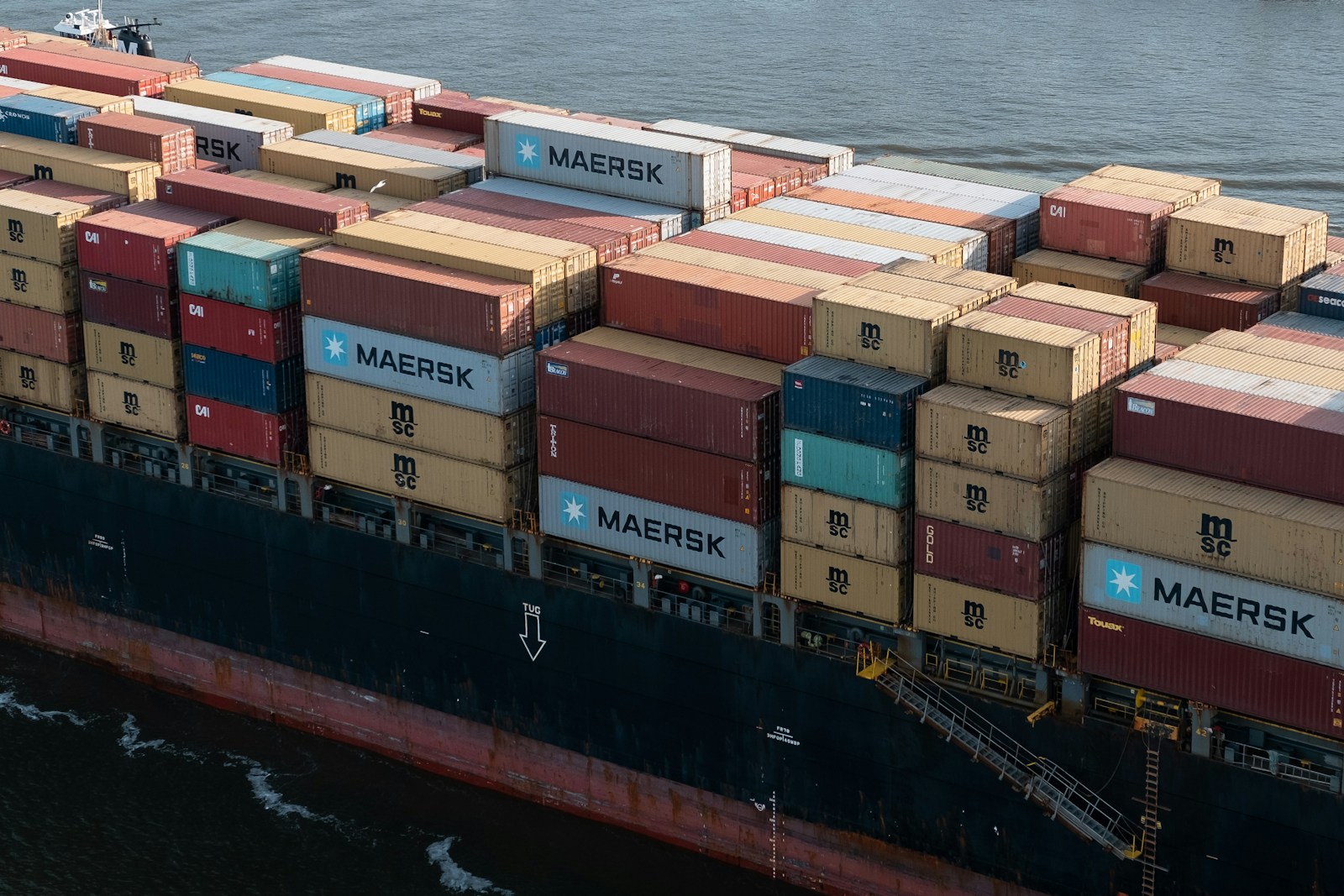
The practice involves bringing products into special trade areas established during the 1930s, allowing companies to postpone tariff payments until they move goods into the general U.S. market. This approach has gained renewed attention as businesses search for legal methods to manage the financial impact of recent trade policies.
How These Special Trade Zones Work
These designated areas, known as Foreign Trade Zones (FTZs), were created during the Depression to stimulate international commerce. Within these zones, companies can import, store, manipulate, manufacture, and even re-export goods without paying immediate duties.
The zones function as spaces that are legally outside U.S. customs territory while physically being within U.S. borders. This creates a unique opportunity for businesses: they can bring products into these zones and only pay tariffs when—or if—they move the goods into the domestic market.
If companies decide to re-export products from these zones to other countries, they may avoid U.S. tariffs entirely. Additionally, in some cases, businesses can transform or combine products within these zones in ways that might result in lower duty rates when eventually imported into the U.S. market.
Corporate Response to Trade Tensions
The renewed interest in these zones comes directly in response to the Trump administration’s tariff policies, which have imposed additional costs on thousands of imported products. Companies across multiple industries are using this strategy to manage cash flow and reduce expenses.
Large manufacturers have been particularly active in utilizing these zones, especially those dealing with steel, aluminum, and components from China that face significant tariffs. By delaying duty payments, companies can better manage their capital and potentially wait out trade disputes.
Some businesses are using these zones strategically by:
- Storing inventory until it’s needed for production
- Processing or combining goods to change their classification
- Holding products while seeking tariff exemptions
- Re-routing supply chains through these zones
Economic and Policy Implications
The increased use of these zones highlights how businesses adapt to changing trade policies. While the strategy is legal, it runs counter to the administration’s goal of reducing imports from certain countries and encouraging domestic production.
Economic analysts note that this practice doesn’t necessarily undermine tariff policies completely, as companies must eventually pay duties if they want to sell products in the U.S. market. However, it does provide financial flexibility and breathing room for businesses caught in trade crossfires.
Trade experts point out that the zones were originally designed to promote U.S. manufacturing and employment. The current usage aligns with this purpose, as it helps American companies remain competitive despite higher input costs from tariffs.
“These zones allow companies to maintain operations in the U.S. rather than moving production offshore,” said one trade attorney familiar with the practice. “It’s a way to keep jobs here while managing the impact of tariffs.”
The Treasury Department and U.S. Customs and Border Protection oversee these zones, which now number over 250 across the country. Applications for new zones and expanded operations within existing ones have increased since the implementation of recent tariff policies.
As trade tensions continue, this Depression-era mechanism is likely to remain an important tool for businesses seeking to navigate the complex and shifting landscape of international trade policy.

Kirstie a technology news reporter at DevX. She reports on emerging technologies and startups waiting to skyrocket.