Data center construction is becoming a potent campaign issue, even though few voters rank it as their leading concern, according to an NBC News poll.
The finding points to a gap between voter priorities and political messaging. Data centers may not decide many votes alone. Yet candidates can use proposed developments to raise broader concerns about electricity, water, land use, taxes, and local control.
A Small Issue With Wider Reach
Only a “handful of voters” identified data centers as their top issue in the NBC News poll. The available finding did not provide a specific percentage.
Still, opposition to new facilities can work as a campaign attack. Accusing a rival of favoring construction may link that candidate to unpopular development plans or perceived pressure on public resources.
This gives data centers an influence larger than their direct polling rank. Voters may view a project through concerns they already have, including household costs, growth, environmental pressure, or government accountability.
“Accusing an opponent of favoring data center construction is a potent campaign attack.”
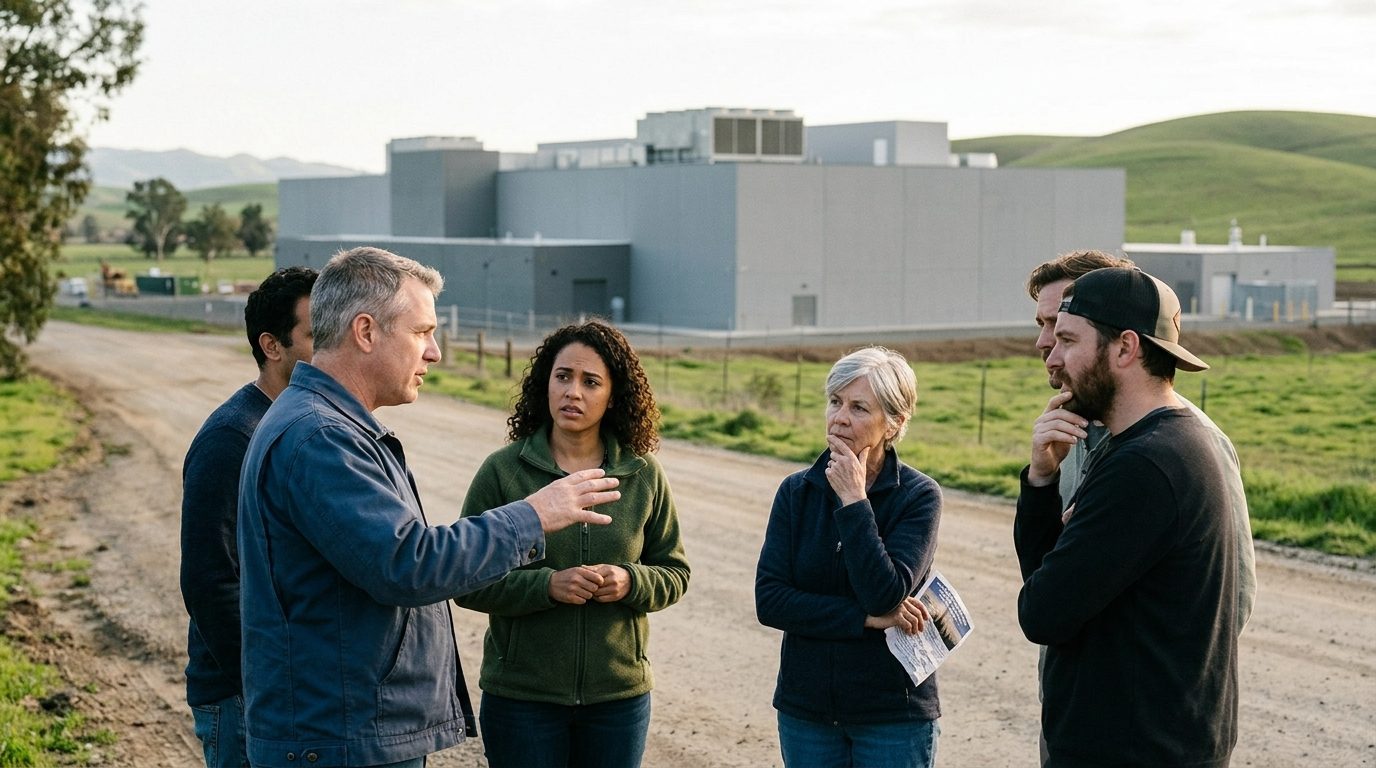
The political effect may be strongest in communities facing proposed projects. Residents living elsewhere may see the issue as remote. Those near a planned site are more likely to consider its local costs and benefits.
Why the Attack Can Resonate
Data centers support online services by housing computer systems and related equipment. Their physical presence, however, can make debates over digital infrastructure intensely local.
Campaign criticism can focus on several questions:
- How much electricity and water will a facility require?
- Will public incentives produce enough local benefits?
- Who will pay for related utility or infrastructure upgrades?
- Did residents have a meaningful role in approval decisions?
These questions allow candidates to turn a specialized development dispute into a wider argument about trust. Support for construction can be portrayed as favoring large companies over residents, whether or not that description reflects the full proposal.
Such attacks also benefit from simplicity. Building approvals, utility planning, and tax agreements are often complex. A short campaign message can reduce those decisions to a direct charge that an opponent supported unwanted construction.
Economic Benefits Complicate the Debate
The issue is not one-sided. Supporters can argue that data centers bring investment, construction work, tax revenue, and infrastructure spending. Communities seeking a larger tax base may see those gains as valuable.
Opponents may respond that large facilities occupy substantial land while creating fewer permanent jobs than other major developments. They may also question public subsidies or the effect on utility systems.
The strength of either case depends on local details. Project size, energy supply, water demand, tax terms, and zoning rules can differ widely. Broad campaign claims may leave those distinctions out.
What Campaigns Will Watch
The NBC News poll suggests that data centers are not yet a leading national voting priority. Their political importance may instead come from their ability to reinforce established worries.
Candidates who support development may need to explain expected benefits and disclose public costs. Opponents may face pressure to offer alternatives for economic growth and rising demand for digital services.
The key question is whether local disputes spread into a larger political movement. For now, data centers offer campaigns a useful warning: an issue does not need to top voter surveys to become an effective line of attack.

Deanna Ritchie is a managing editor at DevX. She has a degree in English Literature. She has written 2000+ articles on getting out of debt and mastering your finances. She has edited over 60,000 articles in her life. She has a passion for helping writers inspire others through their words. Deanna has also been an editor at Entrepreneur Magazine and ReadWrite.