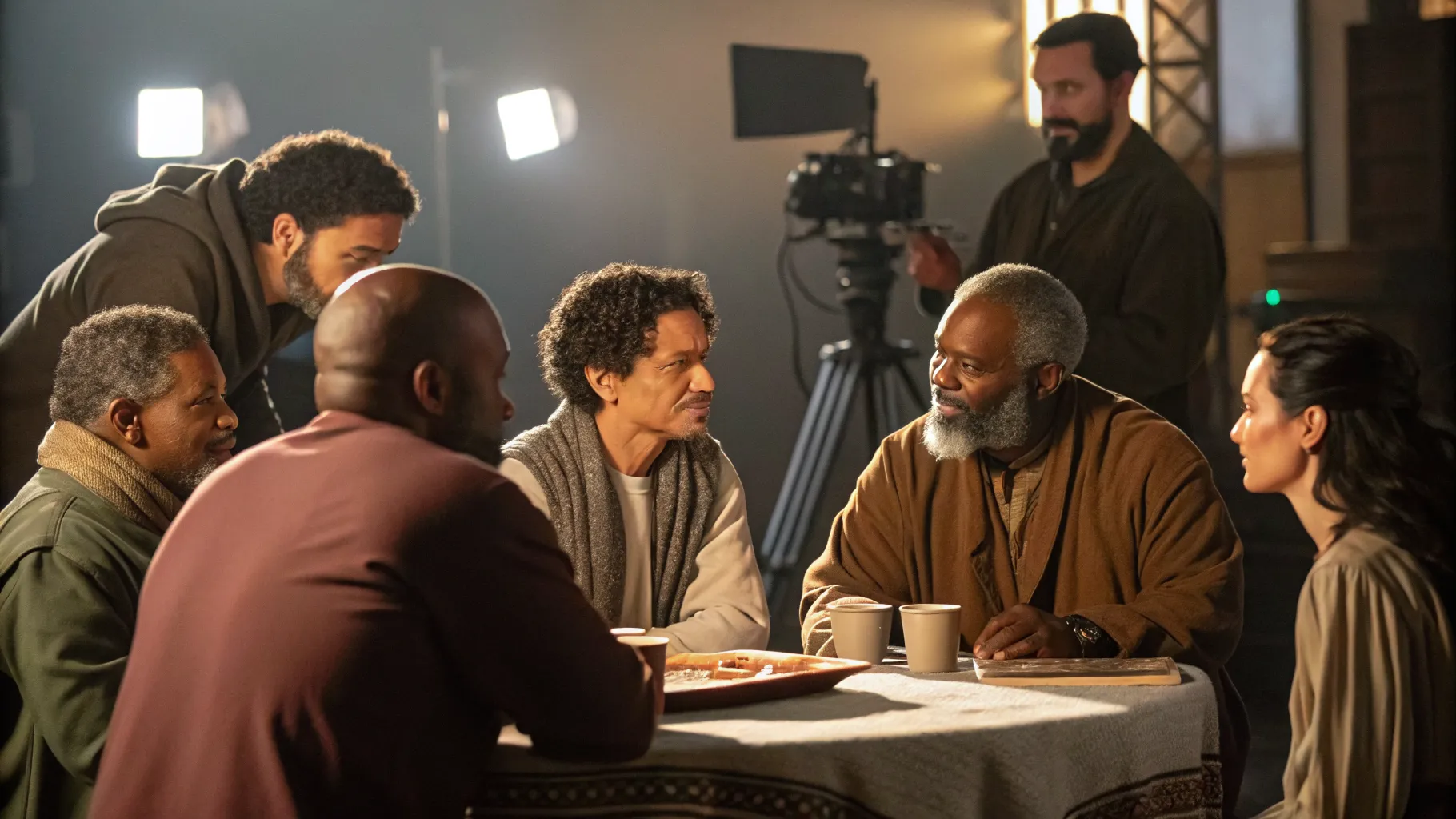
Hyped as the year’s biggest blockbuster, The Odyssey is drawing attention for its promise of a cast that mirrors the globe—yet controversy is brewing over a missing voice.
The production is marketed as a sweeping, crowd-pleasing epic. It brings together actors from multiple regions and is set to roll out worldwide this year. But frustration has mounted online after early viewers noticed that one major country appears to have no on-screen presence. The dispute raises a fresh round of questions about how studios define global inclusion and who gets left out when films court international markets.
A Promise of Global Reach
“Set to be this year’s biggest blockbuster, The Odyssey’s cast has been selected to ‘represent the world’.”
That pitch has fueled high expectations. The film’s positioning suggests a strategy aimed at reaching audiences far outside its domestic base. Big-budget releases now rely on worldwide sales, with many titles earning the majority of their revenue overseas. Casting, locations, and marketing often reflect that reality, aiming for wide appeal across language and culture.
In recent years, major studios have experimented with international ensembles, hoping to connect with viewers in key markets. The approach can help with press, local partnerships, and distribution. It can also spark scrutiny when gaps appear.
The Missing Country
“Fair enough – except that one key country seems to have gone completely unrepresented …”
Supporters of the film argue that no project can include every nation. They say The Odyssey still takes meaningful steps by featuring talent from several continents. Critics counter that leaving out a major cultural center undercuts the film’s central pitch. They also point to the risk of tokenism if a global label is used as a marketing hook rather than a commitment.
Without an official cast list that explains the choices, audiences are filling in the gaps themselves. Some see simple logistics. Others see a market calculation. A few suggest that production schedules, union rules, or language needs might have narrowed the field.
Why These Choices Happen
Industry analysts outline a range of pressures that shape casting decisions. International co-financing can steer roles to partner countries. Tax incentives may tie hiring to local crews and performers. Marketing teams also weigh the potential of regional stars to drive ticket sales.
Studios must also navigate different content rules that vary by country. Cultural sensitivity reviews can influence storylines and character backgrounds. In tight shooting windows, directors sometimes choose actors who can travel on short notice and work across multiple locations without visa hurdles.
- Financing and tax rules can dictate where and whom productions hire.
- Market goals often favor familiar faces in target regions.
- Scheduling, travel, and language needs limit the pool of candidates.
Audience Response And Studio Calculus
Early reactions have split along familiar lines. Some viewers applaud the attempt to broaden representation. Others say the omission shows how branding can race ahead of delivery. Advocates for inclusion urge studios to pair big claims with clear benchmarks, such as regional casting targets and transparent hiring notes.
Public pressure has changed casting before. Social campaigns have pushed franchises to add diverse leads and behind-the-camera talent. At the same time, executives point to the challenge of serving many markets with one story. They warn that rigid quotas may limit creative choices or conflict with financing needs.
What To Watch Next
The next milestones will shape the narrative. A full, verified cast sheet could clarify whether additional roles or cameos address the gap. Press tours may add performers from underrepresented regions. If the film succeeds at the box office, its strategy may be copied. If it stumbles, rivals may refine their approach.
Marketing language will also face closer review. Viewers are quick to challenge sweeping claims about global reach. Clearer framing—describing which regions are represented and why—could reduce backlash and set fair expectations.
The core issue is simple: audiences want big films to reflect the scale of their success. The Odyssey enters release with a bold promise and a pointed question hanging over it. Whether the team explains the omission, or adjusts course before premiere, will guide the response. For now, the film stands as a case study in how inclusion pledges meet the realities of production, markets, and timing.

Rashan is a seasoned technology journalist and visionary leader serving as the Editor-in-Chief of DevX.com, a leading online publication focused on software development, programming languages, and emerging technologies. With his deep expertise in the tech industry and her passion for empowering developers, Rashan has transformed DevX.com into a vibrant hub of knowledge and innovation. Reach out to Rashan at [email protected]