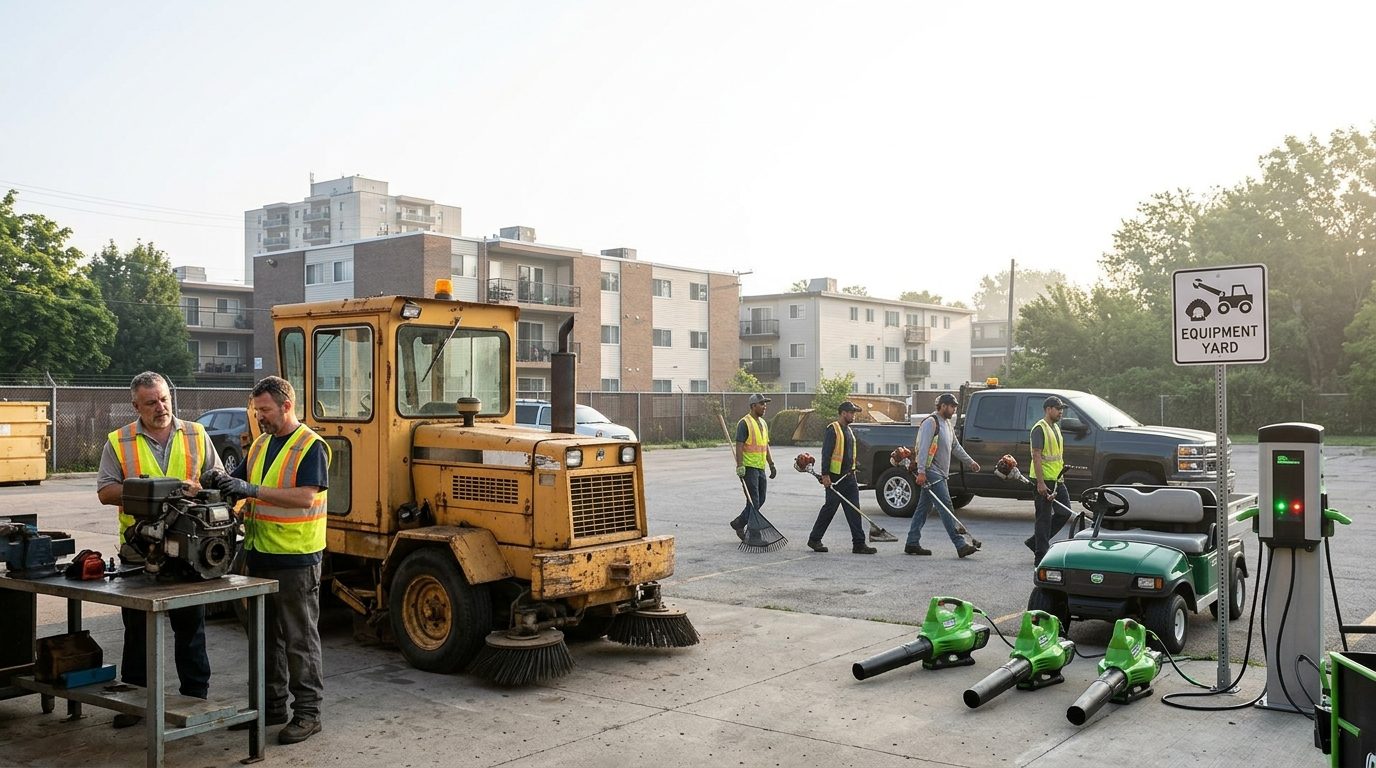
The move to quieter electric equipment is advancing more slowly than some supporters want, raising questions about cost, access, and the pace of adoption. The delay affects efforts to reduce noise from tools and machinery in communities and workplaces.
The concern centers on equipment that can replace louder conventional models. However, no timeline, location, adoption rate, or specific product category has been identified. That limits firm conclusions about how widespread the slowdown may be.
Pressure for a Faster Transition
Supporters of electric equipment often point to lower operating noise as a direct benefit. Quieter machines may reduce disruption near homes, schools, parks, and businesses.
“The switch to quieter electric equipment is not going as fast as some would like.”
The statement signals frustration but does not identify who wants faster action. Those seeking change could include residents, workers, public officials, equipment users, or noise-control advocates.
It also does not establish whether adoption has stalled or is simply moving below expectations. That distinction matters. A transition can continue while still falling short of public goals or planned deadlines.
Practical Barriers May Shape Adoption
Electric equipment decisions can depend on more than noise. Buyers may compare purchase prices, operating needs, availability, performance, and replacement schedules before changing machines.
Organizations also tend to replace equipment over time instead of changing an entire fleet at once. That approach may control spending, but it can slow visible progress.
Several questions would help measure the transition:
- Which types of equipment are changing most slowly?
- Are costs or product availability affecting purchases?
- Do users have access to suitable charging systems?
- Are voluntary goals or formal rules guiding the switch?
Without answers, it is difficult to separate financial barriers from operational concerns. It is also unclear whether delays reflect buyer caution, supply limits, or dissatisfaction with available models.
Noise Benefits Must Be Measured
A quieter machine can improve conditions for nearby residents and operators. Yet the size of that improvement depends on where, when, and how often the equipment is used.
Public agencies and businesses would need clear measurements to judge results. Useful indicators could include equipment purchases, hours of use, noise readings, maintenance costs, and user feedback.
Such information would also support a fair comparison between older machines and electric replacements. Purchase totals alone may not show whether newer equipment is being used regularly or meeting work demands.
What Comes Next
A faster shift could require lower costs, stronger incentives, clearer rules, or equipment that better meets user needs. The right response will depend on the reason adoption is lagging.
For now, the central finding is limited but clear: expectations for quieter electric equipment are running ahead of the reported pace of change. Future reporting should track who is adopting the equipment, what barriers remain, and whether measurable noise reductions follow.
The next phase will depend on evidence rather than ambition alone. Adoption figures, cost comparisons, and performance data will show whether the transition is gaining speed or continuing to fall short.

A seasoned technology executive with a proven record of developing and executing innovative strategies to scale high-growth SaaS platforms and enterprise solutions. As a hands-on CTO and systems architect, he combines technical excellence with visionary leadership to drive organizational success.