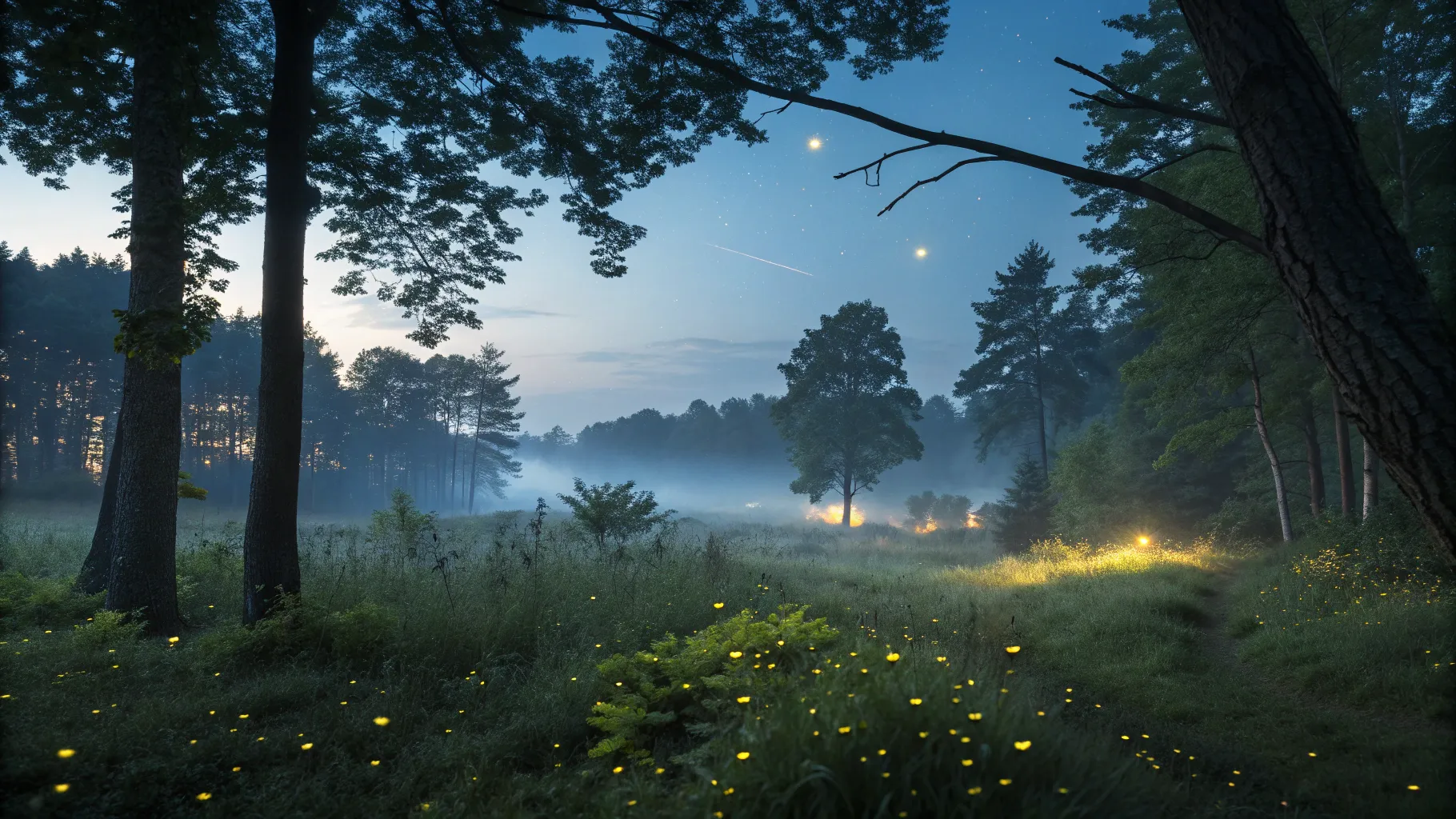
Residents across the Northeastern United States are witnessing an unusual natural phenomenon this summer as firefly populations appear to be thriving in greater numbers than in recent years. The distinctive flashing lights of these beetles have become more prevalent in backyards, parks, and natural areas throughout the region, catching the attention of both casual observers and scientists.
The increase comes at a time when many insect populations worldwide face decline due to habitat loss, pesticide use, and light pollution. This unexpected surge has prompted researchers to investigate potential causes while offering a welcome spectacle for nature enthusiasts.
Understanding the Firefly Boom
Several factors may be contributing to the current firefly abundance, according to entomologists studying the phenomenon. Weather patterns play a significant role in firefly life cycles, with many species requiring specific moisture conditions for their larvae to develop properly.
“The combination of mild winter temperatures followed by adequate spring rainfall created ideal conditions for firefly larvae to survive and thrive,” explains Dr. Sara Collins, an entomologist specializing in bioluminescent insects at Cornell University.
The larvae of most firefly species develop in moist soil environments, feeding on small slugs, snails, and worms. When conditions are favorable, more larvae survive to adulthood, resulting in the light displays currently being observed across the Northeast.
Regional Variations and Species Diversity
The Northeast is home to approximately 20 different firefly species, each with unique flash patterns and habitat preferences. Reports indicate that the population surge is not uniform across the region, with some areas experiencing more dramatic increases than others.
Rural areas with less light pollution appear to be seeing the most substantial increases, though even some suburban neighborhoods are reporting higher numbers. Certain species seem to be benefiting more than others, with the common Eastern firefly (Photinus pyralis) showing particularly strong numbers.
I’ve been documenting fireflies in this area for over a decade, and this is the most activity I’ve seen in at least eight years,” notes citizen scientist and naturalist James Wilson, who coordinates a community firefly monitoring program in Massachusetts.
Conservation Implications
While this year’s surge is encouraging, scientists caution that it may represent a temporary response to favorable conditions rather than a long-term population recovery. Firefly populations face numerous threats that continue to affect their numbers:
- Habitat destruction as natural areas are developed
- Light pollution that interferes with mating signals
- Pesticide use that harms larvae and adults
- Climate change altering rainfall patterns and soil moisture
The current population boom provides researchers with an opportunity to study these insects more closely. Several universities and conservation organizations have launched monitoring programs, encouraging public participation through citizen science initiatives.
The Firefly Watch program, coordinated by the Museum of Science in Boston, has seen a 40% increase in volunteer participation this summer as more people notice and become interested in the insects lighting up their evenings.
Public Response and Engagement
The increased firefly activity has sparked public interest and nostalgia, particularly among older residents who recall seeing more fireflies in their youth. Parks departments across the Northeast report higher attendance at evening nature programs focused on fireflies.
Some communities have organized “firefly festivals” or evening walks to observe the insects, while others are taking conservation steps such as reducing outdoor lighting during peak firefly activity hours and preserving natural areas where the insects breed.
For many families, the firefly surge has provided an opportunity to disconnect from screens and connect with nature. Parents report taking evening walks with children specifically to observe the light display, creating memorable summer experiences while fostering appreciation for these unique insects.
As summer progresses, researchers will continue monitoring population levels to determine if this year’s surge represents a one-time event or the beginning of a positive trend for these beloved summer insects. Regardless of the outcome, the current abundance offers a rare bright spot in the often concerning narrative of insect decline.

Rashan is a seasoned technology journalist and visionary leader serving as the Editor-in-Chief of DevX.com, a leading online publication focused on software development, programming languages, and emerging technologies. With his deep expertise in the tech industry and her passion for empowering developers, Rashan has transformed DevX.com into a vibrant hub of knowledge and innovation. Reach out to Rashan at [email protected]