Jon Bain, founder of a London-based consultancy, argues that artificial intelligence (AI) is not here to take over businesses, but to revolutionize them. Bain explains that AI’s true role is to support humans in their decision-making, not replace them. AI won’t ‘run’ business any more than electricity ‘runs’ business – it’s going to be a fundamental utility that transforms how we work, but humans will still be making the crucial decisions,” he says.
Bain predicts that over the next 5-10 years, AI will become as common as spreadsheets – utterly mundane but incredibly useful. Businesses won’t necessarily need to embrace every new AI tool, but will have to rethink their approach to human capital and operations as AI becomes embedded in daily workflows. The real transformation, Bain suggests, lies in how AI changes the very nature of work.
By automating mundane tasks, AI frees up skilled workers to focus on higher-level, more strategic responsibilities. “AI tools are already collapsing weeks of work into minutes. We use various AI models – Claude is currently winning in our view – and the efficiency gains are staggering,” Bain shares.
However, this efficiency presents new challenges. Traditional business models are breaking down, as you can’t bill for three minutes of work, even if it took thirty years of experience to know what to do in those three minutes. Entrepreneurs must rethink their value propositions to adapt to these rapid shifts.
Bain also highlights that AI’s impact on business structures is subtle and potentially concerning. The key challenge isn’t job replacement but the gradual erosion of entry-level roles. When AI handles the grunt work that juniors used to do, it becomes difficult to develop the next generation of talent.
This disruption could have long-term consequences for talent development as the traditional career ladder begins to dissolve.
AI enhancing human decision-making.
Bain brings attention to the ethical complexities of AI, particularly around compliance and governance.
For UK businesses, compliance is becoming a major concern, especially with the EU AI Act on the horizon—and it’s actually more complex than GDPR. Beyond compliance, businesses must contend with larger ethical challenges, especially around AI’s potential to widen inequalities. AI’s sustainability impact is massive, as these models consume enormous amounts of energy.
There’s also the digital divide – AI could either reduce or amplify existing inequalities in the market. Bain’s central goal is to use AI to enhance human capabilities, not strip humanity out of business. “We actively turn down projects to replace entire departments because that approach usually backfires.
The goal isn’t to strip humanity out of business – it’s to enhance what humans can do,” he says. Finally, Bain addresses one of the most immediate applications of AI: customer service. However, he warns that businesses are often misguided in their approach.
“AI won’t fix a broken business – it’ll just make it more efficiently broken,” he says. When companies try to replace humans with AI in areas that require empathy and judgment, they often fail. The true opportunity lies in using AI to enhance human abilities rather than replace them.
In customer service, this could mean equipping agents with AI tools that give them real-time insights, emotional context, and predictive analytics, allowing them to deliver a more personalized experience. Bain’s conclusion encapsulates the core of his message: AI will not “run” businesses, but it will undeniably transform how businesses operate. The future of business isn’t about whether AI will take over but how businesses will operate in an “AI-augmented world.” The businesses that succeed will be those that use AI tools to amplify human capabilities, not replace them.
Entrepreneurs who understand this principle will not only successfully navigate the AI revolution but also drive the next wave of business innovation.
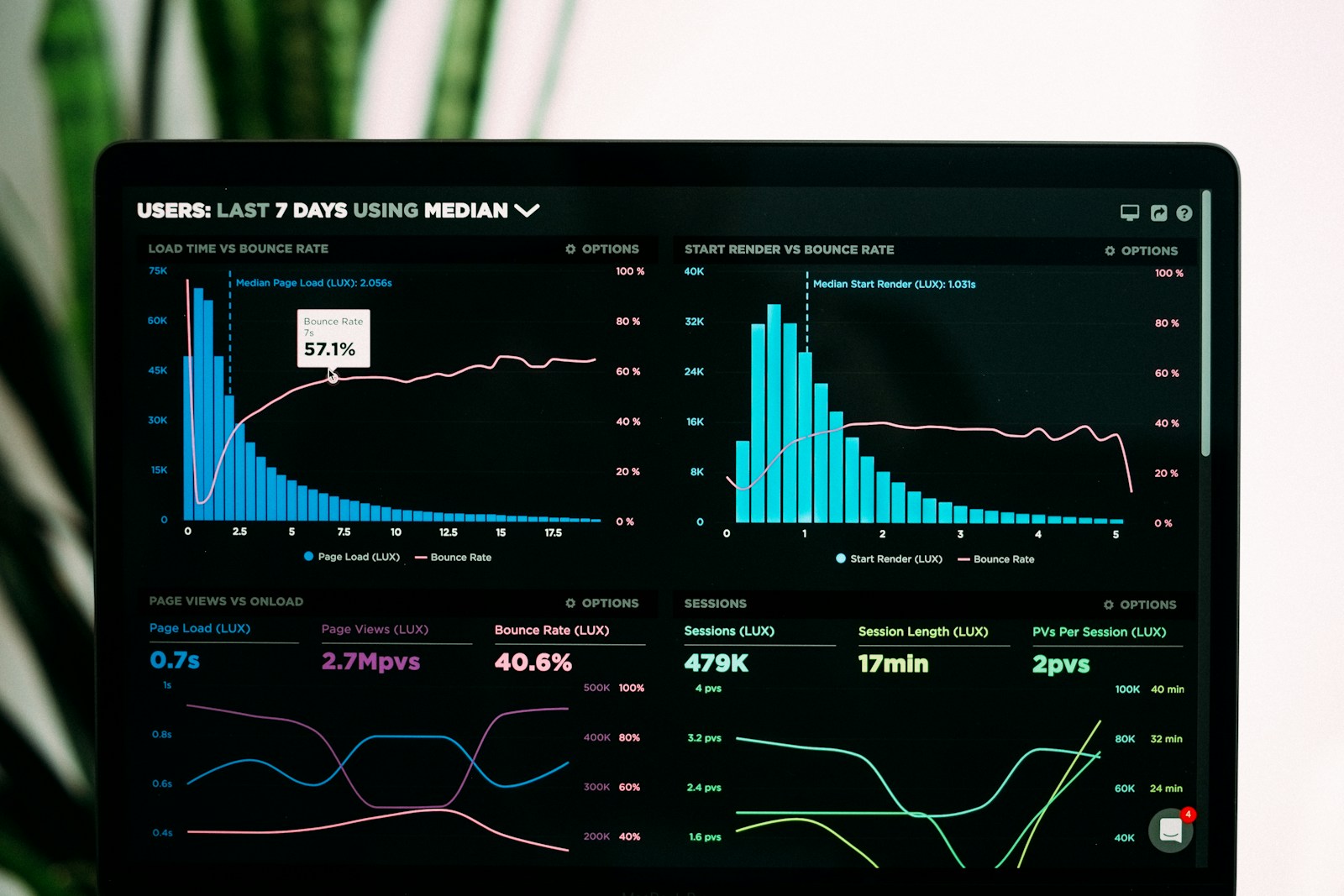
Image Credits: Photo by Luke Chesser on Unsplash

Noah Nguyen is a multi-talented developer who brings a unique perspective to his craft. Initially a creative writing professor, he turned to Dev work for the ability to work remotely. He now lives in Seattle, spending time hiking and drinking craft beer with his fiancee.