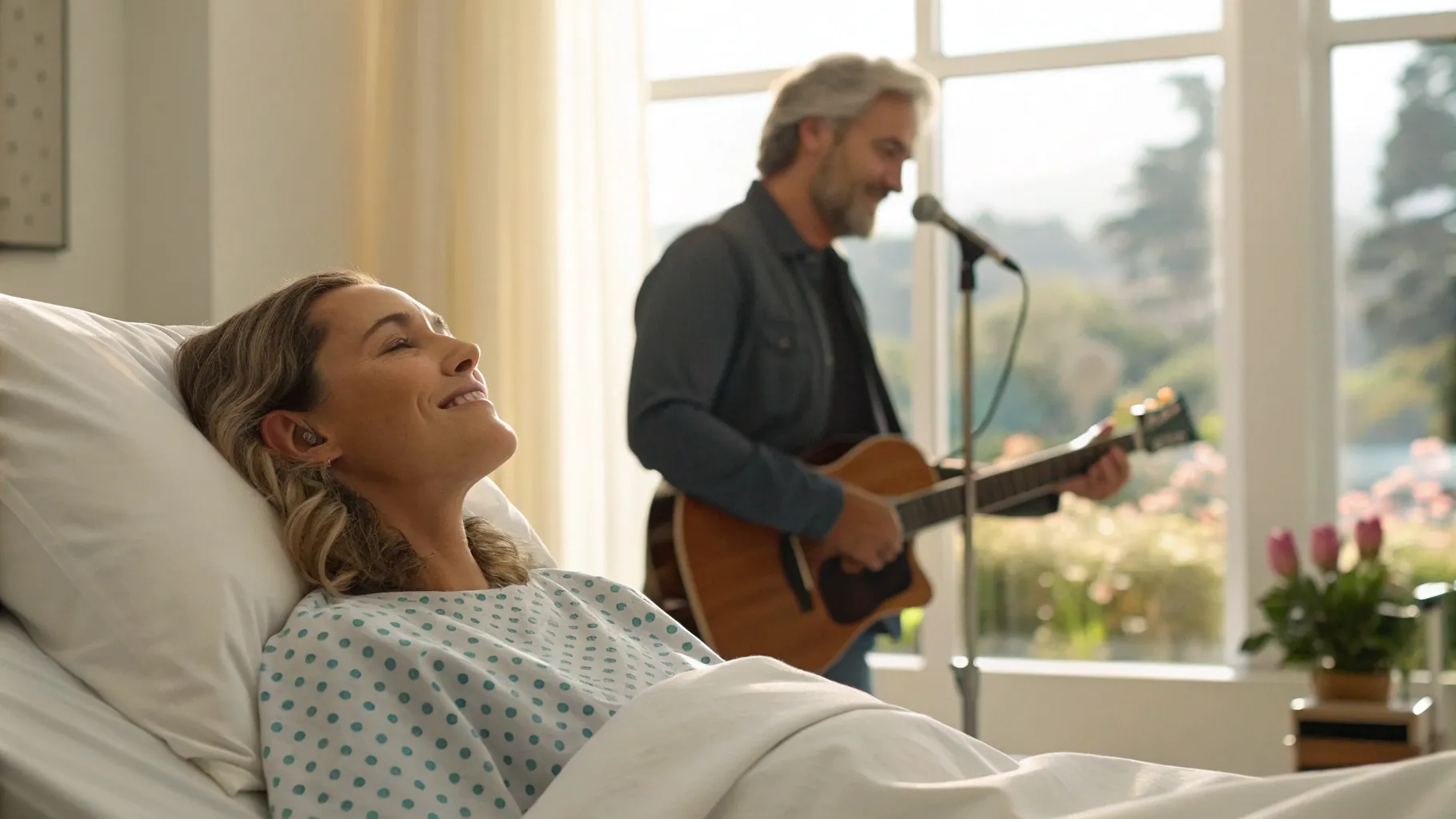
Hospitals and clinics are inviting singers and instrumentalists into patient rooms and waiting areas to ease pain without additional medication. The push comes as care teams look for safe, non-drug options that can work alongside standard treatment. It reflects a broader shift in pain management, driven by concerns over opioid use and a growing body of research on music’s effects on the brain.
Background: A Renewed Look at an Old Practice
Using music in medical settings is not new. Music therapy has been part of rehabilitation and oncology care for decades. What is different now is the scale and visibility of these efforts. Clinicians are testing music at the bedside during procedures, after surgery, and in intensive care units. Many programs involve board-certified music therapists, while others bring in trained volunteers or partner with local arts groups.
Research over the past several years has linked music to modest reductions in pain, anxiety, and stress. Studies of post-surgical patients report lower pain scores and, in some cases, reduced need for opioid pain medicine. The effects vary by setting, but the trend points to music as a helpful add-on rather than a replacement for medical care.
How the Programs Work
Programs differ by hospital, but they tend to follow a few standard approaches. Some use structured music therapy sessions tailored to a patient’s goals. Others provide live music in shared spaces or brief bedside performances.
- Live, soothing music during dressing changes or infusions to distract and calm.
- Patient-selected playlists delivered through headphones to give a sense of control.
- Therapeutic sessions led by trained music therapists to match tempo and volume to breathing and pain levels.
Staff say live performance allows the musician to adjust tempo and volume in real time. Recorded music can be easier to scale and gives patients privacy. In both cases, clinicians monitor response and adjust other pain treatments as needed.
What the Evidence Says
Trials in surgery, cancer care, and intensive care have shown small to moderate pain relief with music. Patients also report less anxiety and better mood. These effects often appear within minutes and can last beyond the session. Some studies suggest shorter hospital stays and lower sedative use, though results are mixed and depend on the clinical context.
Researchers note that expectation and choice matter. Letting patients pick familiar music can enhance the effect. Live music may produce stronger results in some settings, but recorded music is more practical in busy units. Importantly, music works best when integrated with standard pain protocols.
Voices From the Effort
Hospitals and doctors’ offices are inviting singers and musicians to help patients manage their pain, as music’s ability to reduce pain is gaining attention
Nurses who support these programs describe fewer tense procedures and easier vital sign checks. Patients often report feeling “seen” and less isolated. Administrators point to patient satisfaction scores, noting that calm environments can help staff, too. While the experiences are encouraging, leaders caution that outcomes should be tracked and trained clinicians should guide programs.
Limits, Safeguards, and Equity
Experts warn that music is not a cure-all. It should not delay or replace needed medication, nerve blocks, or surgery. Some patients dislike specific genres or find noise overstimulating. Clear consent and the option to stop the music are essential.
Access is another concern. Programs can cluster in large urban hospitals with arts partnerships. Smaller clinics may lack funding or staff training. To avoid uneven access, hospitals are exploring simple, low-cost options such as patient-chosen playlists and staff education on safe use.
What Comes Next
Hospitals are moving from one-off performances to protocols that define when and how to use music. Future studies are focusing on dose, timing, and the best formats for different conditions. Health systems are also testing remote options, such as pre-surgery music at home and recovery playlists.
The field’s next step is to align practice with evidence, measure outcomes, and ensure patient choice. If programs continue to show pain relief, reduced anxiety, and potential drops in opioid use, music could become a standard part of multimodal pain care.
For now, the message is measured but clear: structured, patient-centered music can add comfort and control. As hospitals refine these efforts, the key questions are consistency, training, and fair access. Those will determine whether music moves from helpful extra to expected care.

Rashan is a seasoned technology journalist and visionary leader serving as the Editor-in-Chief of DevX.com, a leading online publication focused on software development, programming languages, and emerging technologies. With his deep expertise in the tech industry and her passion for empowering developers, Rashan has transformed DevX.com into a vibrant hub of knowledge and innovation. Reach out to Rashan at [email protected]