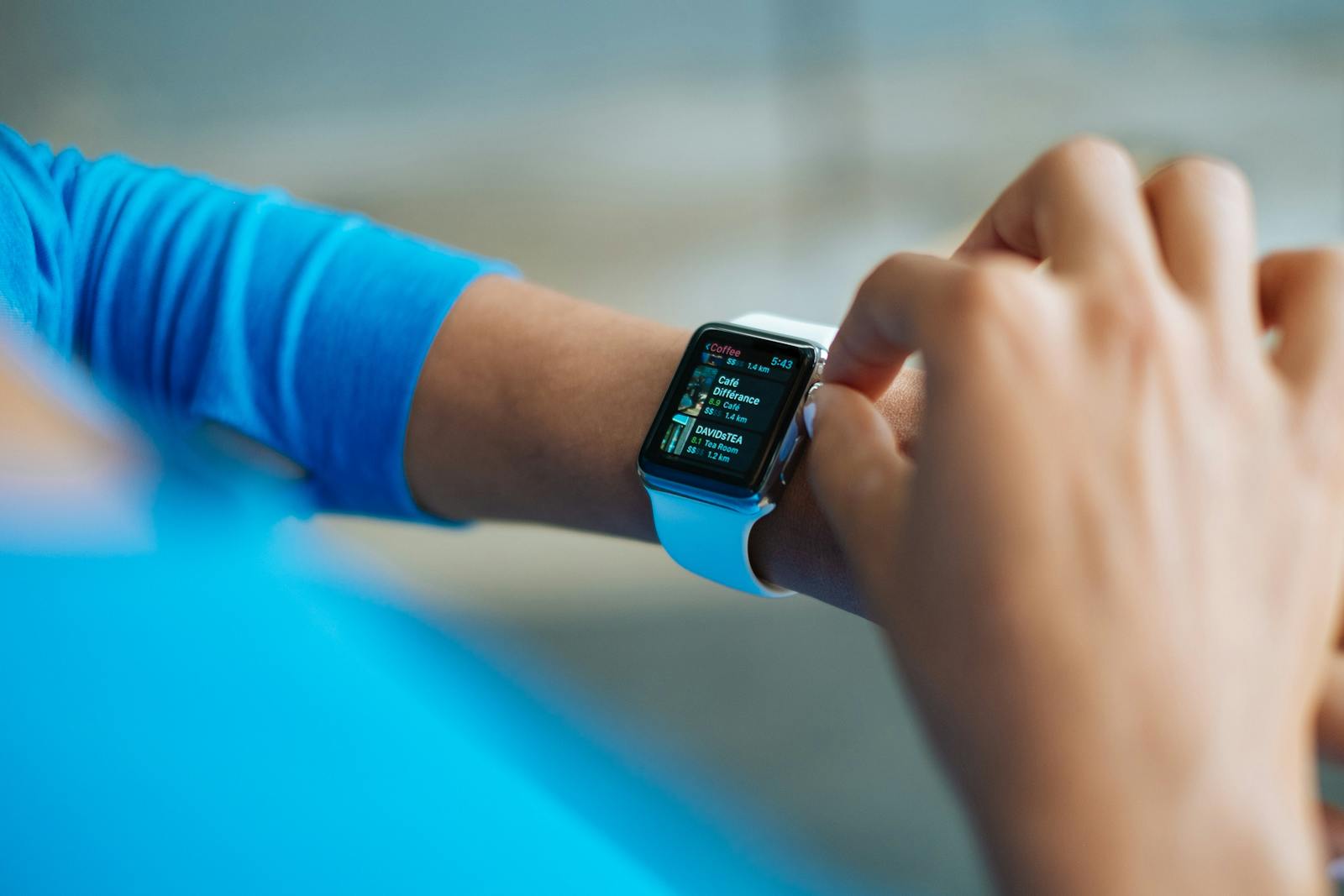
Huawei has filed a patent for a new type of fingerprint sensor for smartwatches. The sensor would be built into the watch’s display and could recognize fingerprints from any angle. The technology would allow users to register multiple fingerprints.
Each finger could be assigned to trigger different actions. For example, tapping a message with your thumb, index finger, or middle finger could call the sender, reply, or close the message. The patent also describes using finger gestures to control the watch.
Twisting your index finger on the screen could adjust settings like volume and brightness. Currently, most smartwatches rely on PIN codes for security when making contactless payments.
Huawei’s smartwatch fingerprint innovation
Huawei’s fingerprint sensor could streamline this process. The watch would simply prompt for a fingerprint scan to authorize transactions through apps like Google Wallet. Other companies have explored similar ideas in the past.
Samsung patented an under-display fingerprint sensor for smartwatches back in 2018. More recently, Apple filed a patent in 2022 for a fingerprint reader built into the watch’s side button. However, neither company has released a product with the technology yet.
It remains to be seen if Huawei will actually bring this feature to market. The company’s products have limited availability outside of Asia. So even if Huawei does release a watch with a fingerprint sensor, it may be some time before the technology becomes widely accessible to global consumers.
Related Articles
- Huawei Mate 60 Pro: 5G Chip Triumph
- Huawei Mate 60 Pro Challenges iPhone 15
- Huawei set to reveal new chips
- Nothing Phone 2A: Budget Smartphone Commands Attention

Rashan Dixon is the founder and CEO of DevX, a technology media and education company covering software development, programming languages, artificial intelligence, and emerging technologies. He is also the founder and CEO of Techincon, a technology consulting business focused on technology implementation, analytics, and emerging technology trends.
Rashan brings nearly three decades of experience across enterprise technology, business systems, and consulting. He served as a Senior Business Systems Analyst at Microsoft from 2011 to 2026, following earlier experience as a Systems Analyst and Business Advisor at Kronos Incorporated. These roles inform his practical perspective on the opportunities and operational challenges of adopting new technology.
At DevX, Rashan connects enterprise technology experience with accessible coverage for developers, entrepreneurs, and business decision-makers. His areas of interest include software engineering, AI, technology strategy, digital transformation, and the intersection of emerging tools and business outcomes.