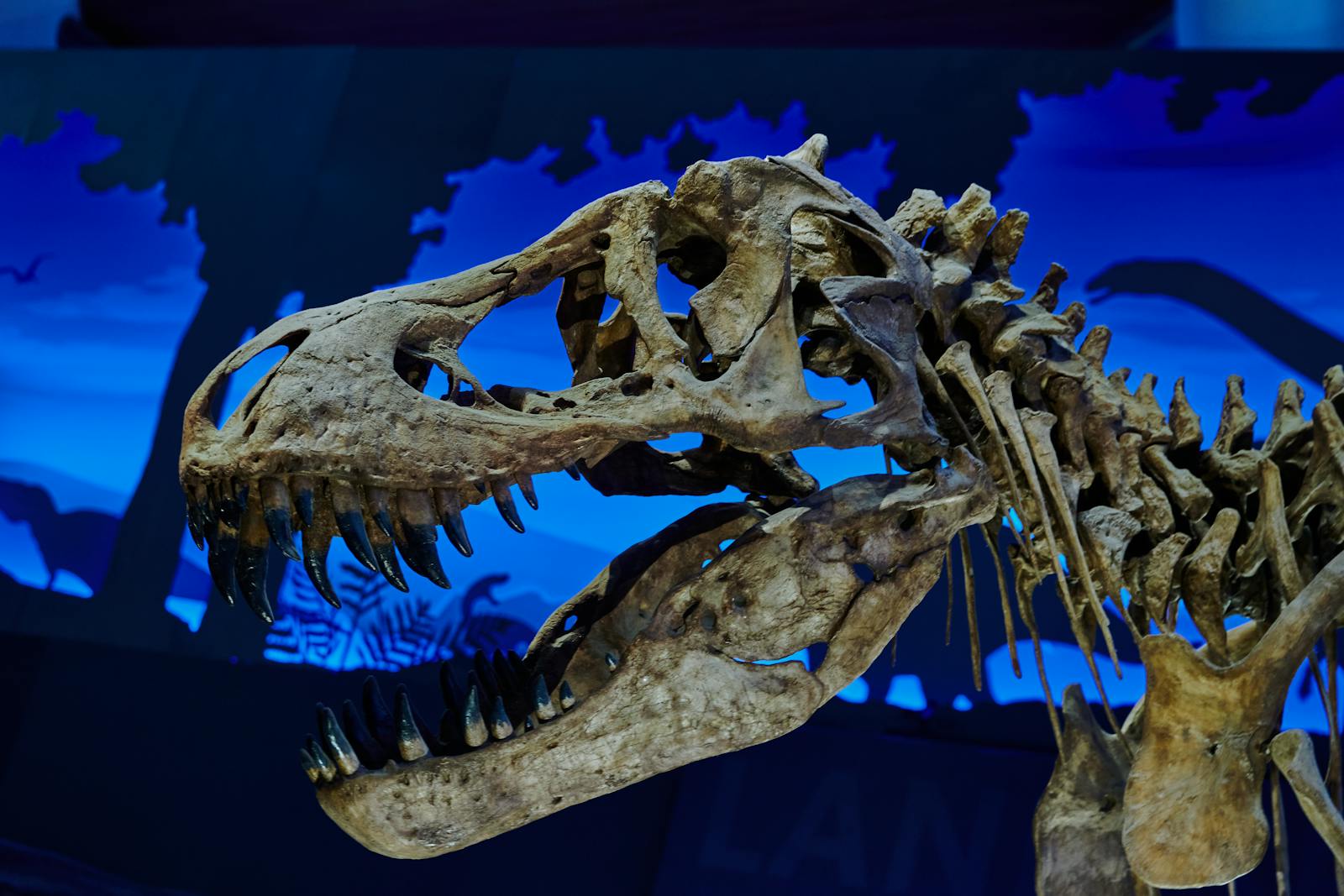
A massive, well-preserved dinosaur skull discovered in southern China has been identified as a new species. The fossil was unearthed in 2007 at the Lufeng Dinosaur National Geopark in Yunnan Province. It represents a species named Lishulong wangi, an early relative of long-necked sauropods like Brontosaurus and Diplodocus.
Researchers say the dinosaur could grow up to 33 feet in length. The discovery, detailed in the December 12, 2024, issue of the journal PeerJ, adds to the rich fossil record of the Lufeng Formation. This region is known for yielding numerous early dinosaur species.
To date, at least seven other related species have been identified from this area. The fossil was embedded in sedimentary rocks dating back to the Early Jurassic period, approximately 201 to 199 million years ago. According to researchers, the region’s fine-grained soil, formed by ancient lakes and rivers, played a vital role in preserving the remains.
Qian-Nan Zhang, the study’s lead author and a paleontologist at the Chinese Academy of Sciences, explained that the mixture of clay, sand, and silt helped shield the bones from damage. Over time, minerals in the soil infiltrated the skeleton, turning it into a masterpiece of fossilized preservation. Despite some compression damage caused by the weight of overlying sediment, the skull is remarkably intact, with only a few cranial bones missing.
Such well-preserved skulls are rare among sauropodomorphs, a group of early plant-eating dinosaurs.
Massive dinosaur skull discovery
Non-sauropod sauropodomorphs, to which Lishulong wangi belongs, were among the dominant medium-to-large dinosaurs during the Early Jurassic period.
Unlike the massive, slow-moving sauropods that succeeded them, these dinosaurs retained the ability to walk on two legs. They also share a common ancestor with bipedal predators like Tyrannosaurus rex. The fossil of Lishulong wangi includes a nearly complete skull and nine neck vertebrae.
However, the lack of preserved shoulder, hip, and limb bones has left scientists uncertain about its posture. “It is not possible to determine whether it was bipedal or quadrupedal,” Zhang said. She added that its closest relative, Yunnanosaurus, could switch between walking on two and four legs, suggesting Lishulong wangi may have had similar capabilities.
One distinctive feature of the new species is its larger nostrils compared to Yunnanosaurus. Researchers believe the dinosaur was a plant-eater, likely feeding on early vegetation such as ferns, cycads, ginkgos, and conifers. Zhang noted that the fusion of bones in the skull and neck indicates the animal was fully grown when it died.
The cause of death remains unclear. The absence of other skeletal parts suggests the remains were transported by natural forces, such as water or wind, after the dinosaur’s death. This movement makes it difficult for researchers to determine what led to its demise.
The discovery of Lishulong wangi highlights the diversity of early sauropodomorphs and offers new insights into the evolution of these ancient giants.

Johannah Lopez is a versatile professional who seamlessly navigates two worlds. By day, she excels as a SaaS freelance writer, crafting informative and persuasive content for tech companies. By night, she showcases her vibrant personality and customer service skills as a part-time bartender. Johannah's ability to blend her writing expertise with her social finesse makes her a well-rounded and engaging storyteller in any setting.