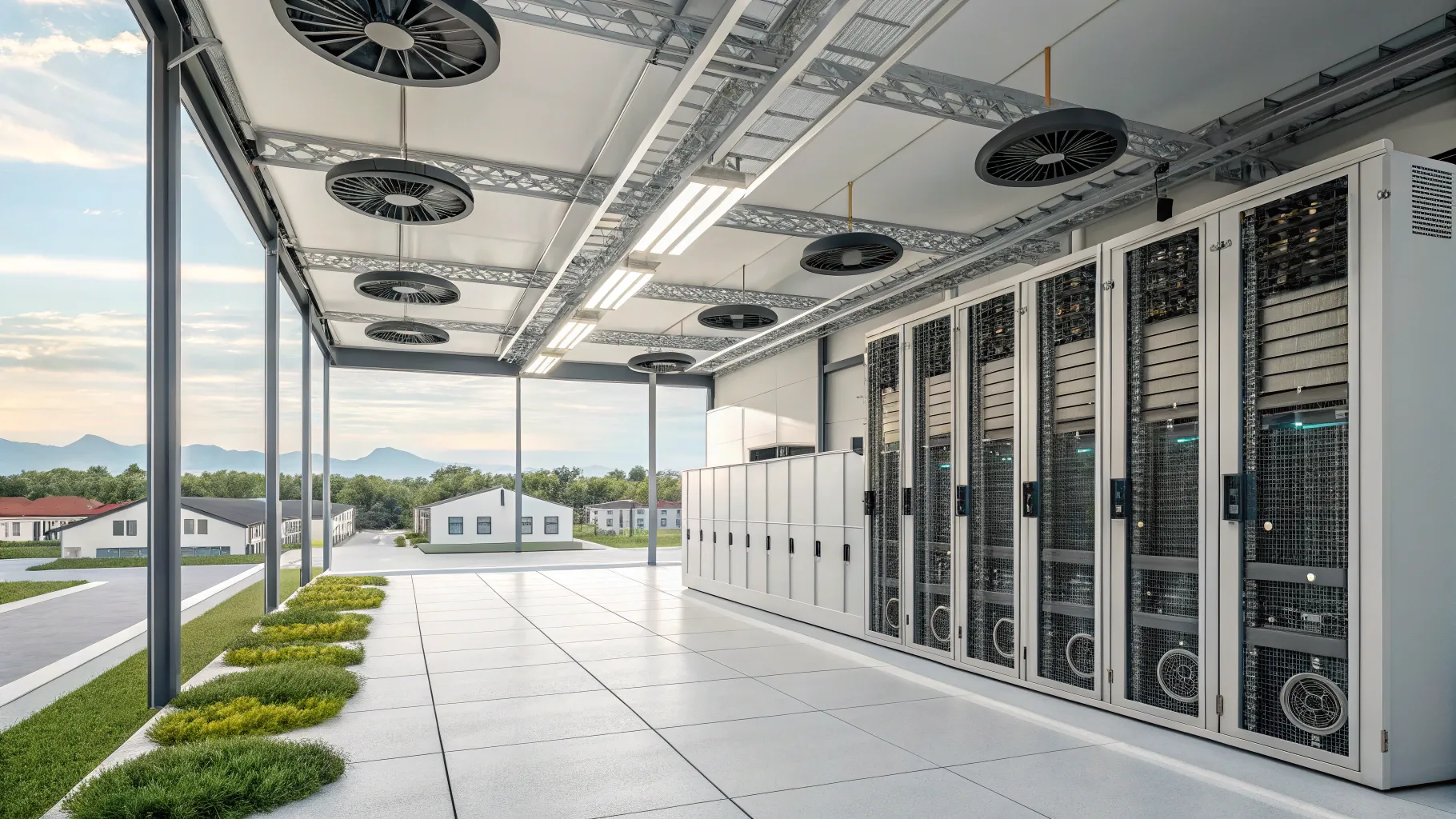
Microsoft plans to pay higher electricity rates in communities where it is building data centers, a bid to keep local household power bills from rising. The company said the approach is part of a wider response to public concern over the energy demands of artificial intelligence projects across the United States.
The move comes as utilities warn of surging load growth tied to new data centers. State regulators are fielding questions about who should pay for grid upgrades, and how to protect low-income customers when power demand jumps.
What Microsoft Is Proposing
“Microsoft says it will ask to pay higher electricity bills in areas where it’s building data centers, in an effort to prevent electricity prices for local residents from rising in those areas. The move is part of a broader plan to address rising prices and other concerns sparked by the tech industry’s massive buildout of artificial intelligence infrastructure across the United States.”
While details are not yet public, the company’s statement signals support for special rates or surcharges that shift some costs onto the data center itself. Such arrangements typically require approval from state utility commissions. They can also involve agreements with local utilities to fund grid expansions, substation upgrades, or new transmission lines.
- Microsoft would accept higher rates in select areas.
- The aim is to shield nearby residents from bill spikes.
- The plan is tied to AI-driven data center growth.
Rising Load, Rising Concerns
Electricity demand from data centers has climbed with the spread of cloud computing and machine learning. Industry forecasts suggest this growth will continue as AI adoption accelerates. The International Energy Agency has reported that data center electricity use could double in the near term as AI and other digital services scale.
Communities near new facilities often face rapid changes. Construction can bring jobs and tax revenue. It can also strain local grids and raise questions about water use, noise, and land impacts. Consumer advocates argue that tech expansion should not push up monthly bills for families already facing high energy costs.
Utility commissions balance these interests. They weigh reliability needs, cost allocation, and the value of economic development. Many are now reviewing special tariffs for large power users, including data centers and manufacturers.
How Special Rates Could Work
There are several ways to design higher rates for a single large user. Utilities can create bespoke tariffs that reflect the cost of new infrastructure. They can set contribution agreements that pay for grid upgrades up front. Or they can apply time-based prices that reward off-peak use and reduce strain during peak hours.
Energy economists note that cost-causation—charging customers in line with the costs they impose—is a common principle. Supporters say such pricing keeps bills fair for households. Critics warn that isolated deals could mask system-wide costs if not designed with care.
Industry And Community Reactions
Local leaders often welcome investments tied to tax bases and jobs. But they seek assurance that residents are not subsidizing Fortune 500 projects. Environmental groups push for clean power commitments and transparency on water and land impacts. Labor groups focus on construction and long-term operations jobs.
Tech companies have begun to signal a willingness to take on more of the bill. Large users are signing long-term power contracts, financing renewable projects, and backing grid upgrades. Microsoft’s plan adds a new lever: paying more on retail rates where facilities rise.
What It Means For The Grid
If regulators approve such rate designs, they could set a template for other high-load projects. That includes semiconductor plants and green hydrogen facilities. The approach could speed grid investments while dampening pressure on residential rates.
But execution matters. Regulators will need clear cost accounting, public input, and guardrails to prevent cross-subsidies in the other direction. Local utilities will also need to plan for peak demand, backup options, and interconnection timelines.
Microsoft’s pledge signals that the cost of AI’s power needs will not fall solely on nearby households. The next steps will come in rate cases and local agreements that put numbers to the promise. Watch for specifics on surcharge levels, grid funding, and any commitments to clean energy supply. Communities will look for proof that bills stay stable, that jobs materialize, and that the grid remains reliable as AI growth continues.

Rashan is a seasoned technology journalist and visionary leader serving as the Editor-in-Chief of DevX.com, a leading online publication focused on software development, programming languages, and emerging technologies. With his deep expertise in the tech industry and her passion for empowering developers, Rashan has transformed DevX.com into a vibrant hub of knowledge and innovation. Reach out to Rashan at [email protected]