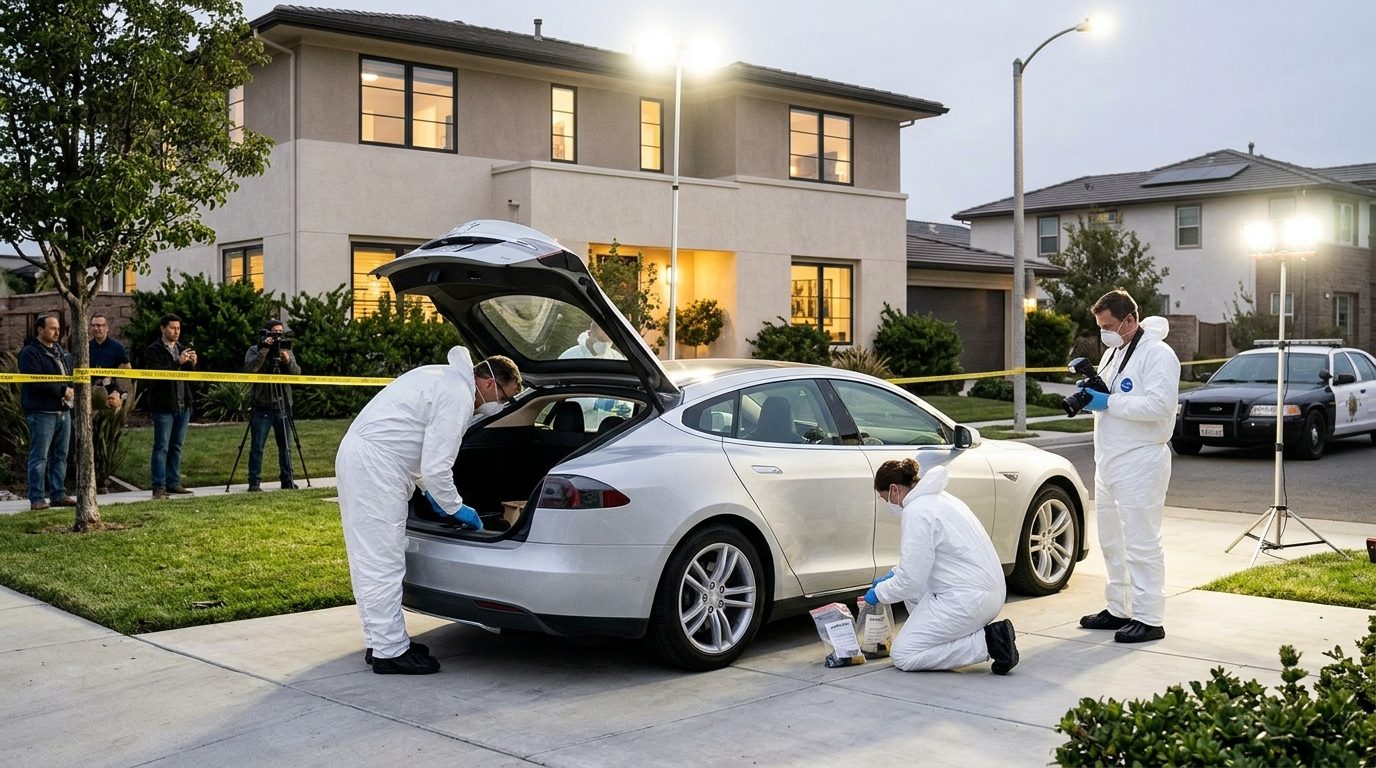
A singer has been accused of killing 14-year-old Celeste Rivas after her mutilated remains were reportedly found inside his Tesla. The available information does not identify the singer, the location of the discovery, or when investigators found the vehicle.
The allegation links the unnamed performer to Rivas’ death, but key facts remain unconfirmed. Authorities have not publicly described the evidence supporting the accusation, according to the information available.
Major Questions Remain Unanswered
The discovery of a child’s remains inside a vehicle would typically prompt an extensive homicide investigation. Detectives may examine ownership records, access to the car, travel data, surveillance footage, and forensic evidence.
However, the reported location of remains does not establish who caused a death. Investigators must determine how Rivas died, when she died, and who had control of the Tesla during the relevant period.
Several basic details have not been provided:
- The accused singer’s name and age
- The city and date of the discovery
- Whether police arrested or charged anyone
- The cause and manner of Rivas’ death
- The singer’s relationship, if any, to Rivas
Those gaps limit any firm assessment of the case. They also make it unclear whether “accused” refers to a formal criminal charge, a police allegation, or a claim from another source.
Vehicle Evidence Could Shape the Case
Modern vehicles may retain information that can help establish a timeline. Depending on the model and available records, investigators could seek location history, entry records, camera footage, or connected-account data.
Forensic teams would also search the Tesla for fingerprints, biological material, fibers, and signs that evidence was moved. Such findings require careful interpretation and do not always identify when or how material entered a vehicle.
Tesla’s presence in the allegation does not suggest fault by the automaker. The vehicle is relevant because it was reportedly the site where the remains were found.
Legal Standards and the Victim’s Privacy
An accusation is not a conviction. Prosecutors must present evidence proving guilt beyond a reasonable doubt if the case reaches trial. The accused also has the right to legal counsel and an opportunity to challenge the evidence.
Rivas’ age adds serious concerns about privacy and responsible reporting. News organizations often limit personal details about children, especially while investigators are still notifying relatives or examining possible abuse.
The description of her remains indicates severe violence, but unnecessary graphic detail may deepen harm to her family. Reporting should focus on verified findings, public safety, and the progress of the investigation.
What Comes Next
The next reliable developments would likely come through police statements, court records, medical examiner findings, or comments from attorneys. These sources could clarify whether charges have been filed and explain the alleged connection between the singer and Rivas.
Until those records emerge, the central facts remain limited: Celeste Rivas was 14, her remains were reportedly discovered in a Tesla, and a singer faces an allegation of killing her. Any further conclusion would risk treating an untested claim as established fact.

A seasoned technology executive with a proven record of developing and executing innovative strategies to scale high-growth SaaS platforms and enterprise solutions. As a hands-on CTO and systems architect, he combines technical excellence with visionary leadership to drive organizational success.