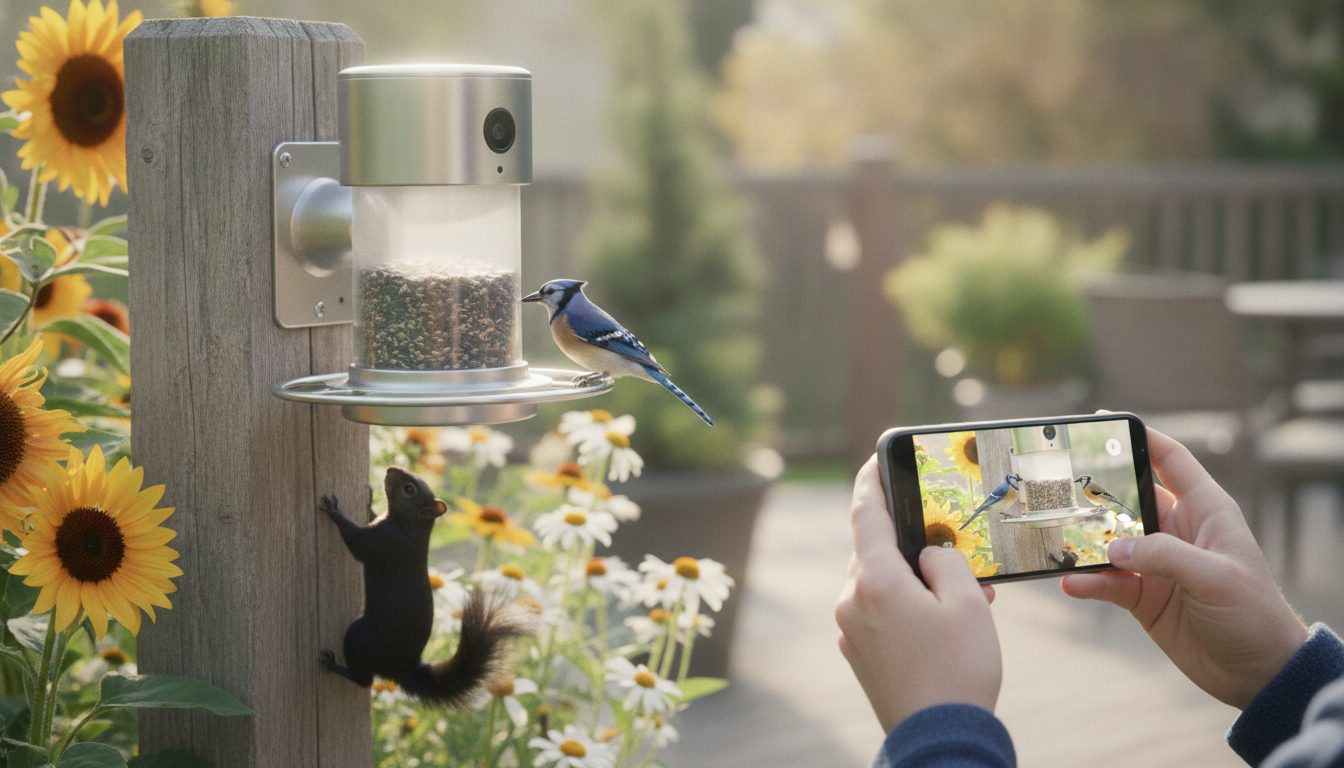
A new smart bird feeder from Harymor is pitching a simple idea with wide appeal: watch local wildlife live on a phone from anywhere. The company says the device puts backyard birding into a portable, app-based experience, aiming at bird lovers and smart home users alike.
The product was introduced as part of a growing wave of connected home tools. It targets people who want to see birds up close without waiting by a window. It also reflects a shift in how hobbyists record and share sightings with friends and local groups.
“Take your backyard birding to a new level with the Harymor smart feeder, one in a new class home technology that lets you experience local wildlife up close from your phone, no matter where you are.”
The pitch highlights convenience, remote access, and a promise of fresh views of common species. It also raises questions about data use, device setup, and how tech can change a quiet pastime.
What the Device Does
The Harymor feeder is framed as a phone-connected device that streams live views of visiting birds. The focus is on immediate access and simple oversight when users are away from home. That means a shift from passive watching to on-demand viewing.
While detailed specs were not provided, the central idea is clear. A camera sits where birds feed, and an app shows the action. The company positions this as a new class of home technology, suggesting a push to blend wildlife viewing with everyday phone habits.
- Remote viewing of local wildlife through a phone app
- Closer looks at birds while they feed
- Experience backyard visits from any location
For many, this could lower the barrier to starting a new hobby. It may also help families share a nature moment with kids, even during busy days.
Why Backyard Birding Is Growing
Birdwatching has seen steady interest in recent years. People turn to it for stress relief, outdoor time, and a simple link to nature. At-home feeders make that process easy. They bring songbirds close enough for clear views and photos.
Smart feeders take that a step further. They move the viewing to the phone and can keep interest alive outside of peak morning hours. Some owners use feeders to learn basic identification. Others follow seasonal movement by noting which species appear over time.
Community groups often encourage tracking and sharing sightings. A feeder with a camera can support that habit by creating a steady record. It may also help new birders stick with the hobby past the first few weeks.
Privacy and Practical Questions
Any connected camera brings privacy and data concerns. Owners need to check how footage is stored and who can access it. They should review app settings for sharing and recording. A simple setup guide and clear controls can reduce risks.
There are also practical needs. A camera near seed must handle weather, squirrels, and dirt. Network reliability affects video quality. Battery life or wiring matters for placement. Good design can help with cleaning and seed refills, which protect bird health.
Experts often advise seasonal cleaning to prevent disease spread. That applies to smart feeders as well. Clear instructions and safe materials are key for long-term use.
How It Could Change the Hobby
If the Harymor device is easy to use, it could nudge more people to try birding. It may support neighborhood groups that swap clips of rare visitors. Teachers might use short videos to show behavior, like feeding or preening, without field trips.
There are trade-offs. Phone viewing can keep people indoors. The best practice is to balance screen time with time outside. It also helps to plant native shrubs and avoid overfeeding, which can attract pests.
For retailers, interest in a connected feeder may link to sales of seed, guides, and backyard plants. For app developers, there is a path to add ID tips or seasonal alerts. Those features, if offered later, could make the feeder part of a larger toolset for learning.
What Comes Next
The core promise is access. A live window into a backyard can make a quiet hobby feel active. If pricing, reliability, and support meet user needs, adoption could grow through word of mouth.
Shoppers will likely compare ease of setup, weather protection, and privacy practices. Clear policies and a simple start guide can help. The most engaged users will want updates that improve video, storage, and sharing controls.
For now, the Harymor feeder presents a clear pitch: a closer look at the birds that visit each day, available on a phone at any moment. The coming months will show whether that promise turns into daily use and lasting habits. Buyers should watch for independent reviews, detailed specs, and app updates before making a choice.

Rashan is a seasoned technology journalist and visionary leader serving as the Editor-in-Chief of DevX.com, a leading online publication focused on software development, programming languages, and emerging technologies. With his deep expertise in the tech industry and her passion for empowering developers, Rashan has transformed DevX.com into a vibrant hub of knowledge and innovation. Reach out to Rashan at [email protected]