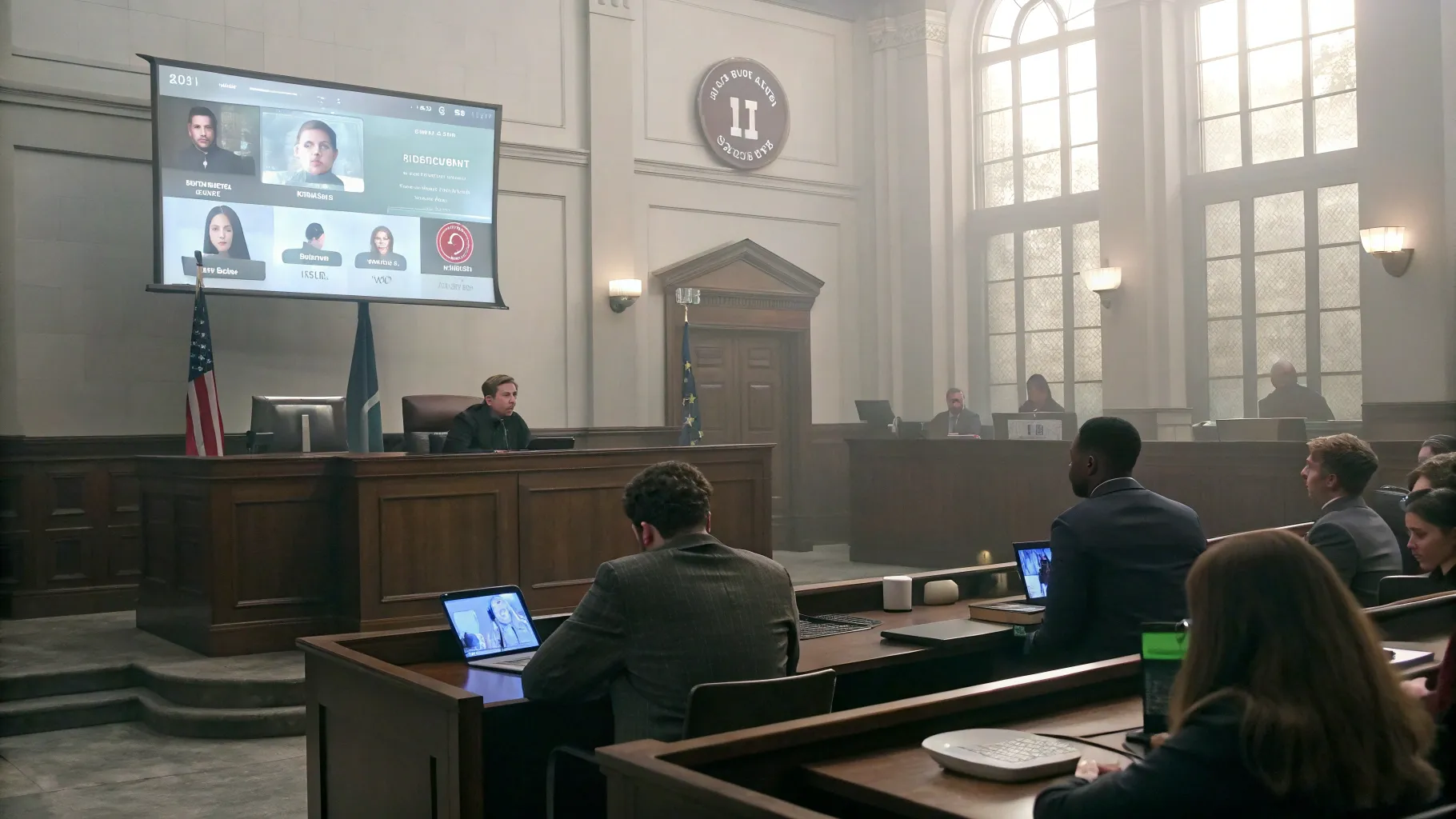
For the first time, the country’s largest social platforms will answer claims about youth mental health before a jury. The trial begins Tuesday and tests whether product design and business decisions have harmed young users. The outcome could reshape how platforms operate and how courts view responsibility for online experiences.
“For years, social media giants have argued against claims that their platforms harm young people’s mental health. Starting Tuesday, they will for the first time have to defend against those claims before a jury in a court of law.”
The case arrives after years of public concern over teen anxiety, depression, and self-harm. It also follows high-profile warnings from medical leaders and mounting pressure from parents and schools. The defendants have long argued that their services connect communities, support learning, and offer safety tools for families. Plaintiffs say design choices amplify compulsive use and risky content.
Background: A Long-Brewing Clash
Debate over social media and teen well-being has intensified for more than a decade. Researchers have studied links between heavy use and mental health, with findings that vary by age, gender, and type of engagement. Some studies tie intensive, passive scrolling to worse outcomes. Others report benefits from supportive communities and creative outlets.
Public officials have raised alarms as usage has surged. The U.S. Surgeon General has urged parents, schools, and technology companies to reduce risks. Educators report growing classroom distractions and sleep loss among students tied to late-night use. Pediatric groups encourage stronger parental controls and age-appropriate experiences.
Companies point to efforts to filter harmful content and provide well-being prompts. They highlight features like time limits, content labels, and reporting tools. Critics argue those steps came too slowly or fail to address core incentives that maximize engagement.
What the Jury Will Weigh
The trial is expected to focus on whether platform design and recommendation systems exposed young users to harmful content or excessive use. Jurors may hear arguments about notification systems, infinite scroll, and algorithmic feeds that reward constant attention. Plaintiffs are likely to argue that these choices create predictable risks that companies could have reduced or warned about.
The defense is likely to emphasize parental controls, user choice, and the benefits of social connection. They may argue that harm is not uniform and that individual behavior, school support, and family context matter. Free speech considerations and the challenge of moderating billions of posts also loom over the case.
- Key questions include duty to warn, foreseeability of harm, and effectiveness of safety features.
- Jurors will consider whether benefits outweigh risks for young users.
- Any verdict could influence product design and policy across the industry.
Science, Safety, and Uncertain Links
Experts say outcomes depend on usage patterns and content types. Time spent, exposure to self-harm or appearance-focused material, and social pressure can affect risk. Supportive groups, peer connection, and educational content can have positive effects.
This mixed picture complicates legal claims. Courts often look for clearer causal links than social science can offer. But internal documents, design decisions, and knowledge of potential harm could sway a jury if they suggest avoidable risks.
Parents and youth advocates describe daily struggles to balance connection with well-being. Many call for stronger age checks, clearer defaults, and independent audits of recommendation systems. Some schools have moved to restrict phone use during class to protect focus and sleep.
Industry Stakes and Possible Ripple Effects
A plaintiff victory could prompt rapid changes across major platforms. Companies might face stricter time controls by default and new limits on features that encourage constant engagement. They could expand content filters and adjust ranking systems for teen accounts.
A defense win would not end the debate. It could shift momentum toward legislative solutions, voluntary standards, or expanded parental tools. It may also push researchers and policymakers to refine measures of risk and effective safeguards.
Either way, advertising models and investor expectations are at issue. If engagement-reducing measures become standard, companies may need new metrics for success. Brands and creators would need to adapt to changes in discovery and user behavior.
As proceedings begin, families, educators, and regulators are watching closely. The trial promises a rare look at how design decisions intersect with youth well-being. The verdict will guide the next chapter in how society manages digital life for young people.
The core question is simple but hard to answer: when does a product cross the line from helpful to harmful for teens? This jury will offer the first legal word. It will not be the last.

Rashan is a seasoned technology journalist and visionary leader serving as the Editor-in-Chief of DevX.com, a leading online publication focused on software development, programming languages, and emerging technologies. With his deep expertise in the tech industry and her passion for empowering developers, Rashan has transformed DevX.com into a vibrant hub of knowledge and innovation. Reach out to Rashan at [email protected]