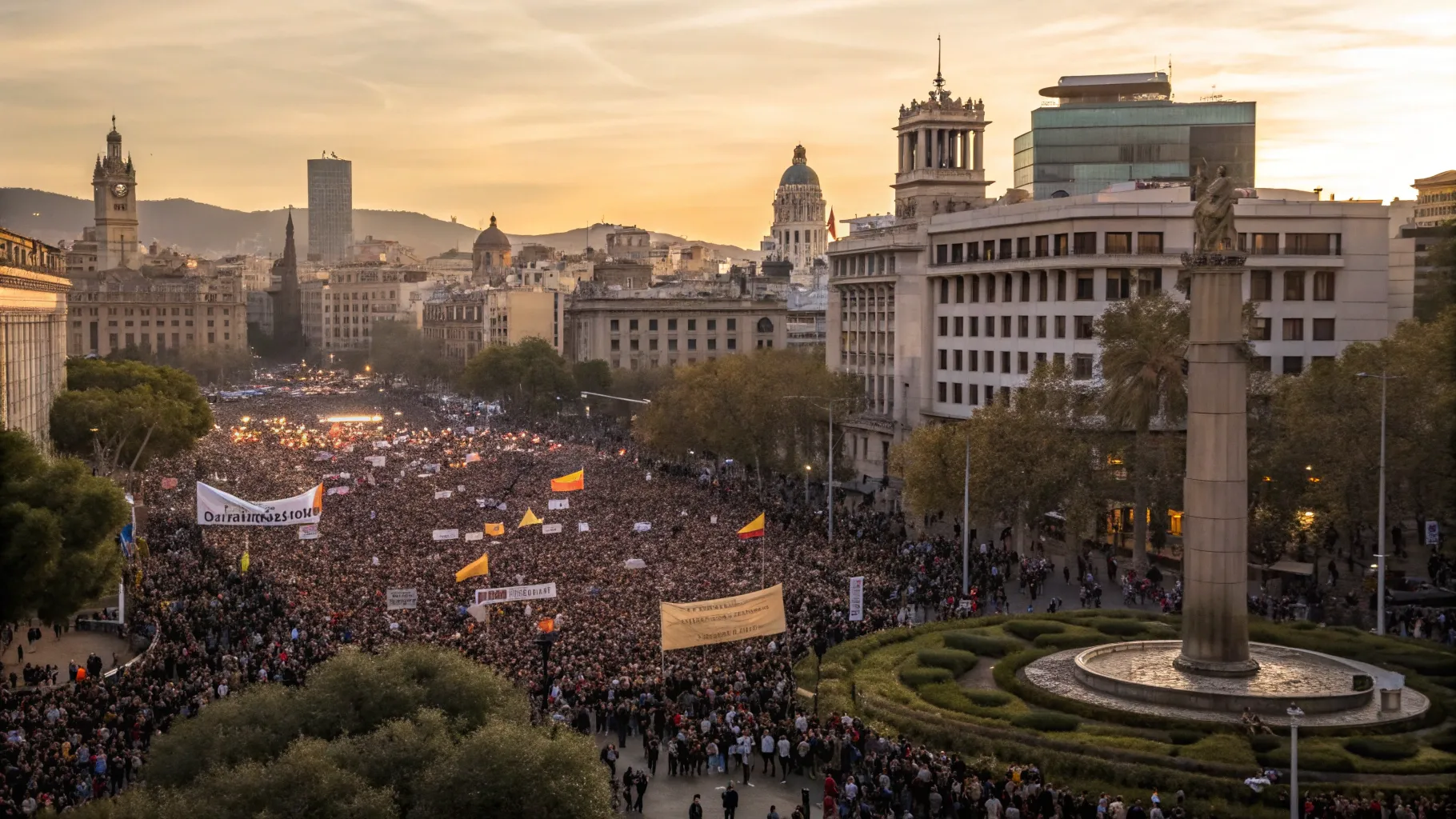
More than a decade after Spain’s anti-austerity revolt shook politics, the movement’s flagship party is at a crossroads. Born from street protests in 2011, it broke the country’s long-running two-party grip and entered national government. Now, amid internal splits and voter fatigue, former insiders are speaking about promise, power, and disappointment.
One former staffer summed up the arc in stark terms:
“The leftist party exploded out of Spain’s anti-austerity protests in 2011 and upended Spain’s entrenched two-party system. I was instantly captivated – and for the next decade, I worked for the party. But I ended up quitting politics in disappointment. What happened?”
From Squares to the Ballot Box
The 2011 indignados movement drew hundreds of thousands to Spain’s plazas. Protesters condemned unemployment, corruption, and cuts following the financial crisis. Out of that wave came a new party that promised clean hands and direct democracy. Its leaders argued that Spain needed a break from the conservative Popular Party (PP) and the Socialist Workers’ Party (PSOE).
The party surged in the 2014 European elections and then in national votes, fragmenting Spain’s traditional order. Parliament no longer revolved around two big parties. Coalition politics took hold. The new force gained city halls, TV airtime, and a base among the young and precarious.
Disruption and Delivery
Supporters point to concrete policy wins after the party helped form a national coalition with the Socialists. Spain raised the minimum wage sharply and expanded social protections during the pandemic. Rent control measures and a housing law became part of the national debate.
Backers also credit the movement with making inequality, housing, and corruption central issues. “It changed what was discussable,” said one activist aligned with the party’s early platform. “People felt politics could serve them, not just parties.”
Critics offer a different view. They argue the group’s top-down communication and leader-centered style clashed with its grassroots image. Internal fights—first ideological, then personal—reduced its appeal. Voters saw fewer fresh faces and more disputes.
Internal Strains and Departures
The movement’s unity frayed as factions battled over strategy. Some leaders favored institutional deals; others pushed for permanent mobilization. High-profile splits followed, and new projects emerged to the left and center-left. Each departure diluted the brand that once drew mass support.
The former staffer’s account highlights the human toll of those rifts. Years of organizing and late-night negotiations gave way to burnout. The gap between protest ideals and parliamentary trade-offs widened. “I ended up quitting politics in disappointment,” the person said, framing a mood shared by many early volunteers.
Analysts note a broader pattern across Europe: insurgent parties struggle once they enter government. Managing budgets and compromises can alienate activists while failing to reassure moderates. Spain’s case is a vivid example.
What the Numbers Suggest
Electoral results show the arc clearly. Early peak vote shares faded after internal splits and coalition fatigue. Local strongholds slipped as rivals consolidated support. Polls suggest voters still want change on wages and housing, but trust has shifted across the left.
- Early elections brought double-digit national results for the insurgent left.
- Subsequent cycles saw declines amid fragmentation.
- Coalition participation delivered policy gains but eroded outsider appeal.
The Road Ahead for Spain’s Left
The party’s future hinges on whether it can stabilize leadership, rebuild local roots, and reconnect with working-class voters. Housing costs, insecure work, and inflation remain urgent. Those issues still offer openings for parties that craft practical proposals and clear messages.
Allies in the wider left argue for cooperation to avoid splitting votes. Skeptics want a reset, with new faces and less infighting. Younger activists are pushing for climate jobs, stronger tenant rights, and regional equity, hoping to revive the energy of 2011 without repeating old mistakes.
Spain’s governing math will keep requiring alliances. That reality demands discipline and compromise. Whether this movement can adapt without losing its soul remains the central test.
The story that began in the squares is not over. It now turns on organization more than inspiration. If the party retools and rebuilds trust, it can shape the next chapter. If not, others on the left will try to carry the banner that first drew a generation into politics—and left some walking away in frustration.

Kirstie a technology news reporter at DevX. She reports on emerging technologies and startups waiting to skyrocket.