Major product launches often look effortless once they reach our screens. A polished review appears, a podcast follows, and social clips arrive within hours. Yet the MKBHD team’s Apple event coverage reveals a far less comfortable reality.
I believe this behind-the-scenes view matters because audiences often judge media without seeing its constraints. Fast technology reporting is not casual content creation. It is a demanding production operation built on planning, teamwork, and difficult trade-offs.
Speed Is Part of the Assignment
The team describes Apple event week as its “busiest 48 hours” of the year. The workload includes two main-channel videos, two short videos, two podcast episodes, and a studio production.
That schedule explains why event coverage can feel rushed. Viewers want immediate opinions, while creators need time to test unfamiliar devices. Those demands conflict.
“It’s a really unique challenge getting a bunch of footage and learning the device and thinking, what do I want to say in this video?”
This is the central tension. A creator must film useful images, understand a product, form an opinion, and publish before public interest fades. I see that as skilled deadline work, but it also raises a warning. Speed should never be mistaken for certainty.
First impressions are valuable when labeled honestly. They become less useful when audiences treat them as final reviews. A few minutes in a crowded demonstration area cannot reveal battery life, durability, or long-term software problems.
The Polished Video Depends on a Team
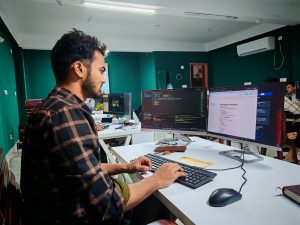
Marques Brownlee may be the public face of MKBHD, but the operation clearly depends on many people. Brandon and Ellis prepare hotel-room filming equipment while Brownlee attends briefings. Other team members record guests, manage audio, edit footage, export files, and publish across time zones.
The equipment list alone shows the scale of the job:
- Three cameras for a short interview with Craig Federighi
- Several microphones for street interviews and podcast recording
- Multiple memory cards and backups for critical footage
- Five podcast angles recorded on iPhones
None of this guarantees a smooth result. One camera stopped recording after an hour and demanded immediate formatting. The team had used separate cards, which reduced the risk of losing everything.
That moment supports a practical lesson: professional production means preparing for failure. Talent helps, but backups, checklists, and clear roles often save the finished product.
The Human Cost Deserves More Attention
The playful tone cannot hide the physical strain. Team members work in high heat, eat between shoots, edit late at night, and operate on limited sleep. Brownlee finished an edit around 12:30 a.m., published near 1 a.m., and woke at 5:30.
Some may argue that this pressure is simply the price of covering a major event. The team also chooses its ambitious publishing schedule. That argument has merit, but it does not make chronic exhaustion wise.
I would rather receive a careful analysis several hours later than reward a system that treats four hours of sleep as normal. Fast publication has business value, yet accuracy and staff health have greater lasting value.
Media teams should set clear limits, rotate demanding duties, and explain what a first-impression video can establish. Viewers also have a role. We can stop demanding instant verdicts and give deeper reviews time to develop.
The strongest lesson from these 48 hours is not about Apple hardware. It is about the labor hidden inside modern media. Respect the craft, question the rush, and judge early opinions as early opinions.
Frequently Asked Questions
Q: Why must technology creators publish so quickly?
Public interest peaks during and immediately after a launch. Publishing early can bring more viewers, discussion, and advertising income.
Q: Can first impressions be trusted?
They can identify design changes and early reactions. They cannot reliably measure long-term battery performance, durability, or software stability.
Q: Why does a short interview require several cameras?
Multiple angles improve editing choices and provide backup footage. They also help maintain visual flow when an answer is shortened or rearranged.
Q: What can smaller production teams learn from MKBHD?
Plan roles early, carry backup media, test equipment, and leave time for exports. Most importantly, build a schedule that protects accuracy and sleep.