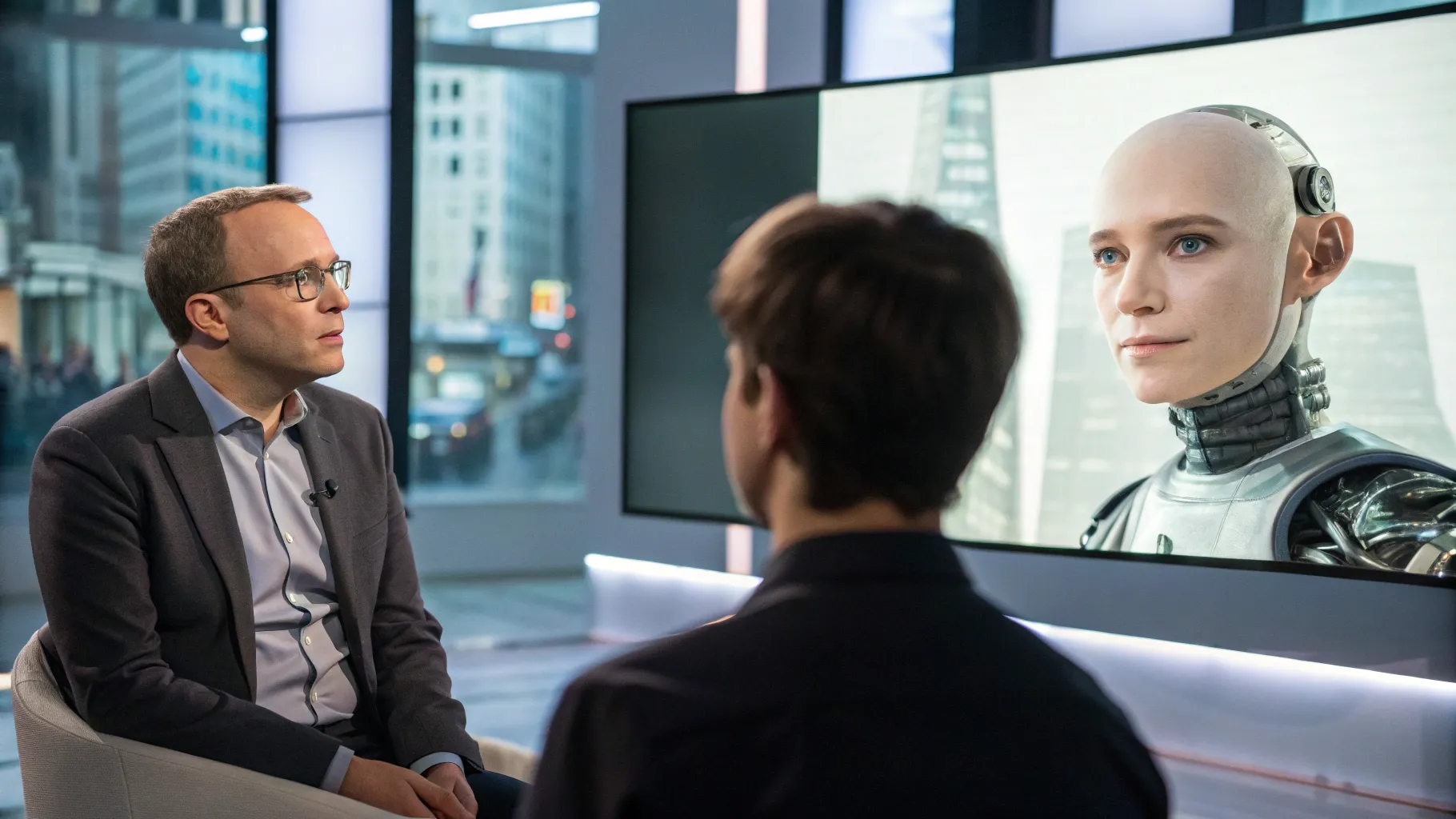
A television segment featuring tech contributor Kurt “CyberGuy” Knutsson renewed attention on U.S. artificial intelligence policy and a new humanoid robot trial in New York City. The discussion centered on how federal strategy from the Trump years fits into current AI risks and opportunities, and why city pilots with human-like machines are drawing public interest now.
The focus reflects a larger question: how national goals for AI research and industry growth meet local tests of new hardware in public spaces. It also highlights the tension between faster deployment and the need for clear rules on safety, privacy, and jobs.
Background: What the Trump-Era Plan Set in Motion
In 2019, the White House announced the American AI Initiative, aimed at boosting research, opening federal data where possible, and guiding agencies on responsible use. The approach encouraged public–private partnerships and asked government offices to reduce hurdles for innovation while weighing safety and civil rights.
Federal science agencies were directed to prioritize AI R&D. The National Institute of Standards and Technology began work on standards and measurement to help make systems safer and more reliable. The Office of Management and Budget later issued guidance for agency use of AI, stressing transparency and risk assessment.
Supporters said the plan signaled a commitment to stay competitive with China and the European Union. Critics argued it lacked strong guardrails and clear funding targets. Much of the later rulemaking and enforcement has unfolded under subsequent administrations, but the 2019 framework set expectations for agency and industry roles.
Humanoid Robots in New York: Promise and Pushback
New York City’s experiment with a humanoid-style robot speaks to a growing interest in using machines for public assistance and monitoring. City pilots in recent years have tested devices for patrol, customer help, and facility checks in transit hubs and other high-traffic areas.
Backers say human-like form factors can make interaction easier for visitors who need directions or alerts. They also argue robots can handle repetitive or hazardous tasks, freeing staff for human-centered services.
Opponents raise concerns about privacy, bias in machine perception, safety, and cost. They question data retention policies and demand clear signage when the public is recorded. Labor advocates warn that poorly designed deployments could displace entry-level jobs.
- Supporters highlight safety and efficiency in busy settings.
- Critics focus on surveillance risks and accountability.
- City officials balance pilot results with community feedback.
Industry Impact and Public Trust
Companies building humanoid systems see a near-term market in logistics, security, and customer service. Still, public acceptance may hinge on visible controls: clear opt-out zones, strict data limits, and easy ways to report problems. Insurance and liability questions also remain open if a device malfunctions.
Policy from the Trump era encouraged testing and standards development, but it left many privacy and labor issues to states and cities. That gap is now a flashpoint. As more pilots roll out, residents will expect consistent rules regardless of the vendor or venue.
Experts say three measures can build trust: independent safety testing, impact assessments before deployment, and ongoing audits with public reporting. Cities that adopt these steps tend to face less backlash and gain better performance data.
What to Watch Next
Federal agencies continue to refine guidance for AI use in public services, with an emphasis on risk management and civil rights. International efforts on standards are also moving forward, affecting U.S. procurement and exports.
For New York and other cities, the next phase will test whether humanoid robots deliver measurable benefits. Officials will look for reductions in response times, fewer incidents, and positive public feedback. They will also track costs, failures, and equity impacts across neighborhoods.
The national strategy that began in 2019 set the policy table for AI growth. City pilots now give a real-world view of what that growth looks like on the ground. The outcome will depend on careful design, transparent rules, and a willingness to pause or adjust when the data demands it.
As AI tools and humanoid machines enter daily life, the key questions remain practical: what works, for whom, and under what safeguards. Those answers will shape the next round of policy and public investment.

Rashan is a seasoned technology journalist and visionary leader serving as the Editor-in-Chief of DevX.com, a leading online publication focused on software development, programming languages, and emerging technologies. With his deep expertise in the tech industry and her passion for empowering developers, Rashan has transformed DevX.com into a vibrant hub of knowledge and innovation. Reach out to Rashan at [email protected]