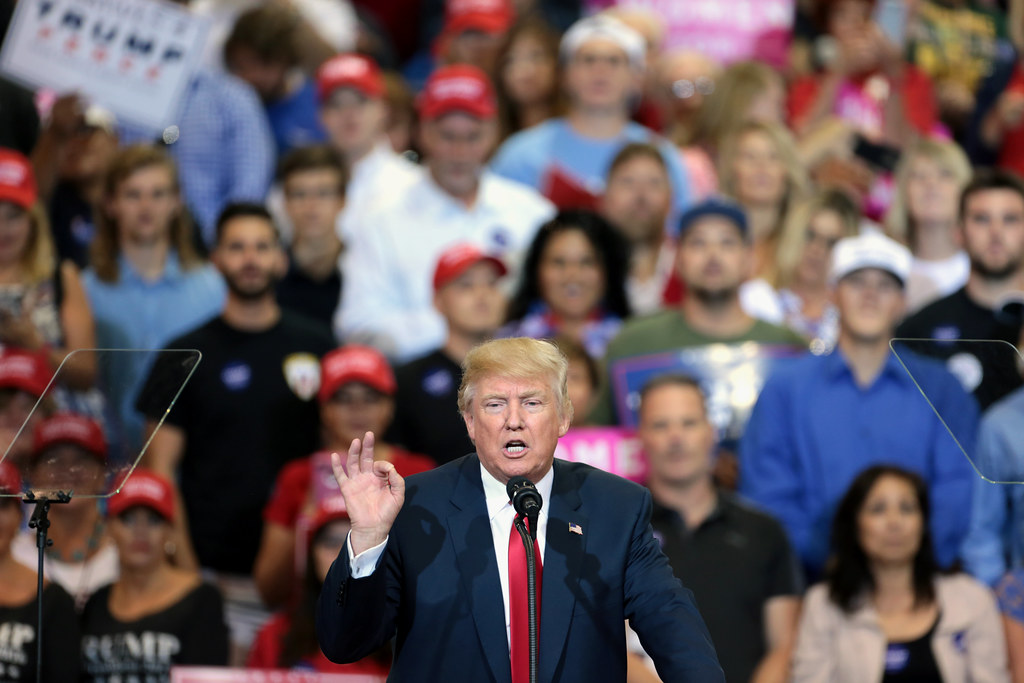
President-elect Donald Trump recently proposed eliminating taxes on Social Security benefits. Currently, some Social Security recipients owe income tax on a portion of their benefits. Trump stated on social media, “Seniors should not pay tax on Social Security.” However, many financial experts argue that ending taxes on Social Security would worsen an already fragile program.
Even without such cuts, the Social Security trust funds are expected to run out of money by 2034, according to estimates by the Congressional Budget Office. Not everyone would benefit from a policy to cut Social Security taxes. According to the Tax Policy Center, eliminating taxes on Social Security benefits would primarily help beneficiaries earning between $63,000 and $200,000.
Under current law, those with low to modest incomes aren’t typically required to pay taxes on Social Security benefits. Beneficiaries whose Social Security benefits are taxed usually have other significant income sources. The IRS examines beneficiaries’ combined income to determine if income tax will be owed.
Combined income is half of their Social Security benefits, nontaxable interest, and some other income. For 2024, single tax filers with combined income between $25,000 and $34,000 may owe income tax on up to half of their benefits. Those with combined income over $34,000 may owe income tax on up to 85% of benefits.
Trump’s Social Security tax proposal
For married filing jointly, those with a combined income of $32,000 to $44,000 may owe income tax on up to half of benefits. Combined income exceeding $44,000 can lead to income tax on up to 85% of benefits.
According to the Social Security Administration, about 40% of Social Security recipients currently pay taxes on their benefits. Experts say eliminating taxes on Social Security benefits would raise major concerns about the program itself. Payroll taxes and income taxes fund Social Security on benefits.
According to the Tax Foundation, Trump’s proposed tax cut would reduce tax revenue by about $1.4 trillion from 2025 to 2034. Exempting benefits from income tax would reduce revenue collections for Medicare and Social Security, speeding up the insolvency date for both programs. Some argue that instead of eliminating taxes on Social Security, a more sound policy would be to adjust the income tax thresholds annually for inflation.
This could provide a sensible reform if paired with an appropriate offset for lost revenue. In a recent interview, Trump stated that while he plans to make the federal government more efficient through proposed spending cuts, Social Security and Medicare will remain untouched. He said these entitlement programs are critical for many Americans.
Trump’s comments come amidst broader discussions on fiscal policy and government expenditure. His stance marks a continuation of campaign promises to protect these vital programs, despite talks of necessary budget cuts.

Noah Nguyen is a multi-talented developer who brings a unique perspective to his craft. Initially a creative writing professor, he turned to Dev work for the ability to work remotely. He now lives in Seattle, spending time hiking and drinking craft beer with his fiancee.