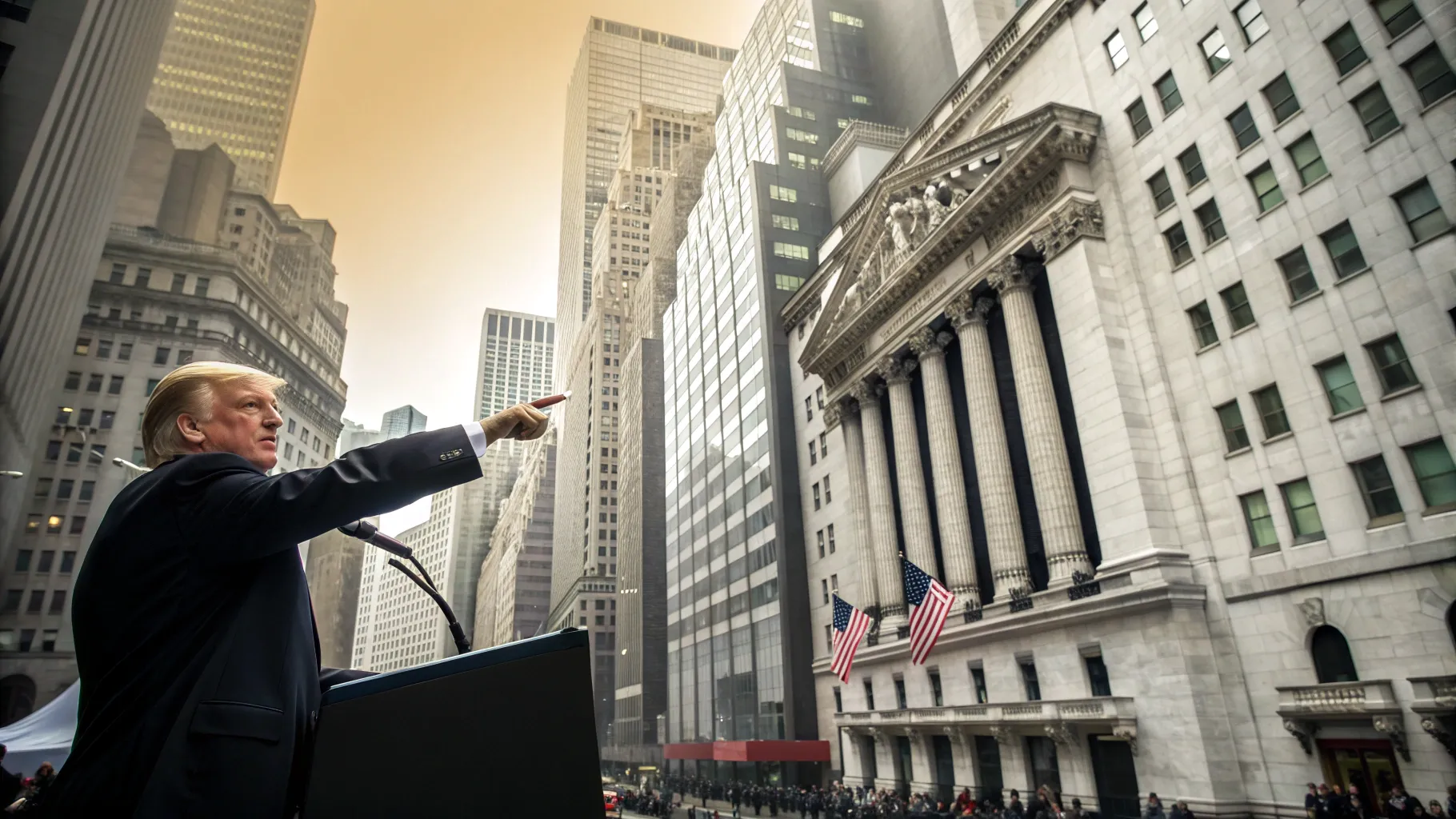
President Donald Trump has sharpened his attacks on Wall Street as Americans struggle with high prices for housing, groceries, and other basics. The renewed focus comes as the cost of living remains the top concern for many families and a central issue in national politics. The message is simple: powerful financial players helped drive prices up, and they should be held to account.
Affordability Pressures Shape The Debate
The price surge that began in 2021 strained household budgets and set off a long debate over causes and cures. Inflation cooled in 2023 and 2024, but many prices stayed well above pre-pandemic levels. Rents, insurance premiums, and services costs kept pressure on paychecks even as wage growth improved for many workers.
Economists point to several forces. Supply chain shocks and energy swings pushed prices higher. Housing costs rose as mortgage rates climbed and supply lagged demand. Companies protected margins where they could, and some raised prices faster than input costs. The Federal Reserve raised interest rates to fight inflation, which helped slow price growth but also made borrowing more expensive.
A Populist Case Against Wall Street
Trump’s case frames Wall Street as a driver of unaffordable prices through corporate power and financial speculation. The charge echoes past campaigns in both parties that targeted concentrated economic power during periods of high prices. It also taps into long-running anger over bailouts and perceived favoritism for big finance.
“President Donald Trump, like any politician whose polling is in the gutter, is desperate for a villain — any villain — to blame for America’s affordability woes. Enter Wall Street.”
Supporters say the message reflects public frustration with large firms that posted strong profits while households struggled. Critics argue the focus risks oversimplifying complex forces, including global supply chains, interest rates, and local housing rules that limit building.
What The Data And History Suggest
Corporate profits rose to high levels during the recovery from the pandemic, then eased as costs and competition increased. Some industries, such as energy and shipping, saw outsized profits during supply shocks. Others, such as food manufacturing and retail, faced higher labor and input costs that fed through to prices.
History shows that blaming Wall Street during price spikes is not new. Politicians have targeted banks, railroads, and oil trusts during past inflation waves. Such campaigns sometimes led to hearings and new rules, but results varied. Price controls and windfall taxes have mixed records and can create shortages or new distortions.
Policy Options On The Table
If the administration chooses to act, several levers are available across agencies and Congress. None directly lower prices overnight, but they can shape incentives.
- Stronger antitrust enforcement in concentrated sectors where markups appear high.
- Scrutiny of “junk fees” and contract terms that raise effective prices.
- Housing supply efforts, including incentives for building and zoning reforms at the local level.
- Targeted relief for essentials, such as insurance market fixes in disaster-prone regions.
- Support for supply chain resilience to reduce shock-driven spikes.
Economists caution that the Federal Reserve still plays the lead role on inflation. Fiscal and regulatory steps can ease bottlenecks and improve competition, but the most durable relief comes from higher supply and productivity.
Wall Street And Industry Pushback
Financial executives warn that broad attacks may spook markets and raise borrowing costs for businesses and consumers. They argue that capital markets fund housing, energy projects, and innovation, and that policy should focus on building capacity rather than punishment. Consumer advocates counter that concentrated power and opaque pricing have harmed households, and that stricter oversight could improve fairness without choking investment.
Polling in recent years has ranked inflation and housing costs as top voter concerns. That makes blame-setting tempting, but it does not solve price pressures on its own. Durable relief likely requires more homes, smoother supply chains, and steady wage gains that outpace inflation.
Trump’s rhetoric ensures Wall Street will stay in the political hot seat. The next steps to watch include any White House directives to regulators, possible hearings in Congress, and signals from the Fed on rates. Markets will be sensitive to both the tone and the substance. Voters will judge results at the store and in their rent bills.

Rashan is a seasoned technology journalist and visionary leader serving as the Editor-in-Chief of DevX.com, a leading online publication focused on software development, programming languages, and emerging technologies. With his deep expertise in the tech industry and her passion for empowering developers, Rashan has transformed DevX.com into a vibrant hub of knowledge and innovation. Reach out to Rashan at [email protected]