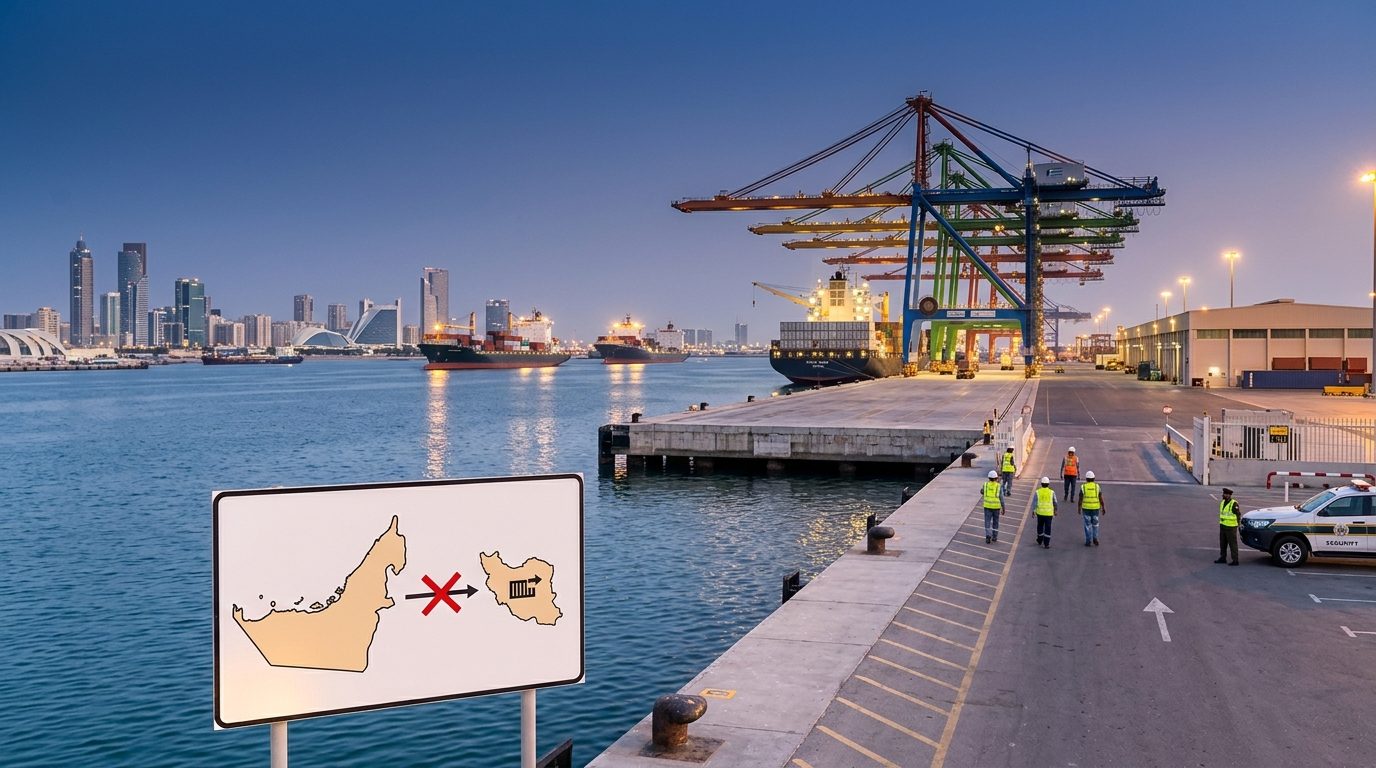
Washington and Tehran are weighing their next moves after negotiations collapsed, as the United Arab Emirates suspended trade with Iran. The linked developments raise new concerns about economic pressure, regional commerce, and the risk of further confrontation.
Details about the failed talks, including their location and disputed terms, were not immediately available. The scope and duration of the UAE suspension also remained unclear. Those unanswered questions will shape the economic and diplomatic impact.
Diplomatic Options Narrow
The United States and Iran have spent years trying to manage disputes over nuclear activity, sanctions, and regional security. Their relationship has often relied on indirect communication because the two countries lack formal diplomatic ties.
The latest breakdown leaves both governments with difficult choices. Washington could pursue new sanctions or seek another round of diplomacy through intermediaries. Tehran could return to negotiations, resist further demands, or respond with economic and political pressure of its own.
Neither side has much room for error. A tougher position may satisfy domestic political audiences, but it could make renewed talks harder. A rapid return to negotiations could also carry political costs if leaders appear to concede too much.
The absence of an agreement does not always end diplomacy. Past exchanges between Washington and Tehran have paused and resumed after mediators presented revised terms. However, each delay can weaken trust and raise the chance of miscalculation.
UAE Decision Adds Economic Pressure
The UAE’s trade suspension introduces a direct commercial consequence. The country has long served as an important regional trading center, while businesses in Iran have relied on nearby Gulf markets and transport links.
Without further guidance from Emirati authorities, companies face several immediate questions:
- Which goods, services, and financial transactions are covered?
- Will existing contracts receive temporary exemptions?
- How long will the suspension remain in force?
- Will humanitarian goods or food shipments continue?
A broad suspension could disrupt shipping, payments, and supply chains. A narrower policy could instead target selected sectors or firms. Enforcement rules will determine whether the measure causes a brief delay or a larger trade shock.
The action also reflects the UAE’s delicate position. Abu Dhabi maintains close security ties with Washington, yet it has also sought stable relations with Tehran. Trade restrictions may support diplomatic pressure, but prolonged limits could affect Emirati companies and regional ports.
Regional Stakes Rise
Other Gulf governments will watch whether the dispute remains contained. They share concerns about maritime security, energy routes, and the effects of any military escalation. At the same time, many support dialogue that limits instability near major shipping corridors.
Iran may view the UAE measure as added pressure coordinated with the United States. Emirati officials may instead describe it as a separate regulatory or security decision. Clear public explanations from all three governments would reduce uncertainty.
The immediate focus will be on official statements, the terms of the trade suspension, and any effort to restart negotiations. The larger test is whether economic pressure brings the parties back to talks or hardens their positions. Until those details emerge, businesses and governments across the region must prepare for both renewed diplomacy and a longer standoff.

Rashan is a seasoned technology journalist and visionary leader serving as the Editor-in-Chief of DevX.com, a leading online publication focused on software development, programming languages, and emerging technologies. With his deep expertise in the tech industry and her passion for empowering developers, Rashan has transformed DevX.com into a vibrant hub of knowledge and innovation. Reach out to Rashan at [email protected]