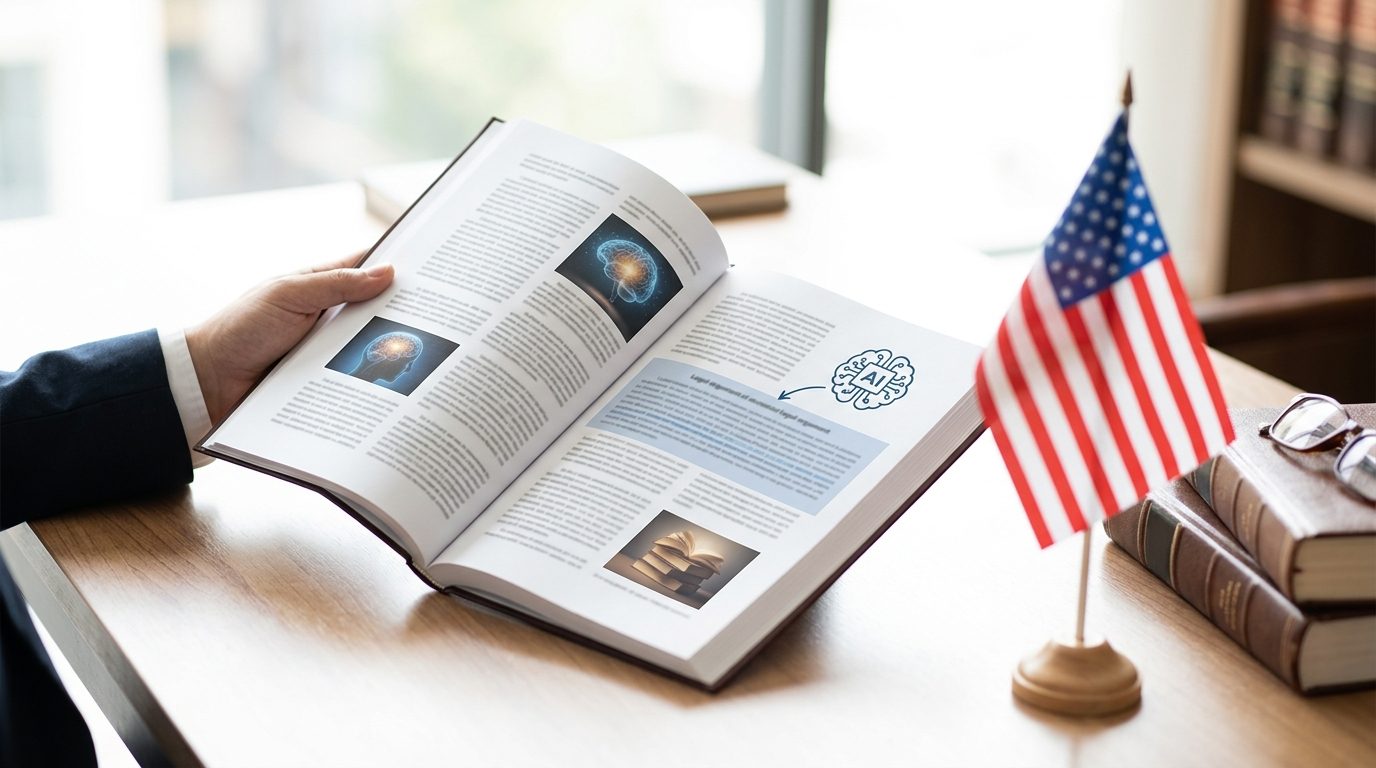
The US government has supported OpenAI’s claim that training artificial intelligence systems on protected works can qualify as fair use. The position, presented in a government letter, could influence disputes over how AI companies obtain and process books, images, software, and other intellectual property.
The letter places federal support behind a central argument from OpenAI. The company maintains that using existing material to train AI does not always require permission from each rights holder. Details about the letter’s recipient, timing, and legal proceeding were not disclosed.
Fair Use Takes Center Stage
US copyright law allows limited use of protected material without permission under the fair use doctrine. Courts generally assess the purpose, nature, amount, and market effect of the use.
No single factor decides every case. Judges examine whether a new use changes the material’s purpose and whether it harms demand for the original work.
The government supported OpenAI’s argument that training AI on others’ intellectual property is “fair use.”
OpenAI’s position treats model training as an analytical process. AI systems study patterns across large collections of data rather than simply storing works for direct resale.
However, that distinction remains contested. Authors, artists, publishers, and other creators may argue that unauthorized training takes commercial value from their work. They may also contend that AI-generated material competes with the people whose work helped train the systems.
Government Support Could Shape Litigation
A government letter does not itself settle the legal question. Courts retain authority to interpret copyright law and apply fair use rules to the facts of each dispute.
Still, the federal position may carry weight. It signals that the government sees a legal basis for at least some AI training without individual licenses.
The issue has major financial consequences for both technology companies and rights holders:
- Broad fair use protection could reduce training costs for AI developers.
- Licensing requirements could create new income for writers, artists, and publishers.
- Different rulings could produce separate rules for text, images, music, and software.
The legal analysis may also depend on how training data was acquired. Material obtained from public websites could present different questions from paywalled, pirated, or restricted content.
Creators and Developers Face Uncertainty
AI developers need large amounts of material to build capable models. Requiring permission for every work could be costly and difficult, particularly when ownership records are incomplete.
Rights holders face a different concern. If courts permit unrestricted training, creators may have limited control over commercial systems built partly from their work.
Future rulings may avoid a single rule for all AI training. Courts could distinguish between research and commercial use, lawful access and unauthorized copying, or generated output that resembles a protected work.
The government’s support gives OpenAI a meaningful legal ally, but it does not end the dispute. The next key developments will come from courts, lawmakers, and licensing negotiations. Their decisions will determine whether AI training remains broadly protected or requires payment and permission in more cases.

Rashan is a seasoned technology journalist and visionary leader serving as the Editor-in-Chief of DevX.com, a leading online publication focused on software development, programming languages, and emerging technologies. With his deep expertise in the tech industry and her passion for empowering developers, Rashan has transformed DevX.com into a vibrant hub of knowledge and innovation. Reach out to Rashan at [email protected]