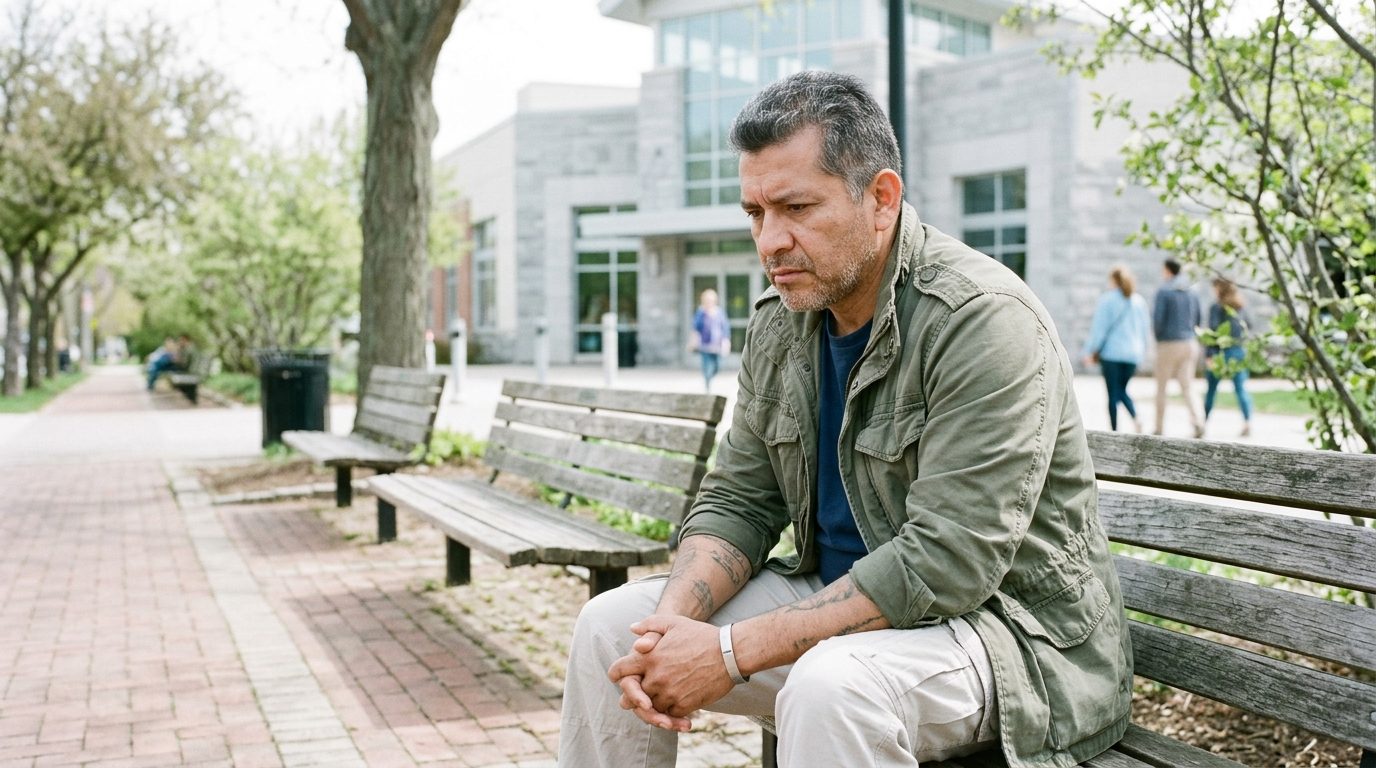
Benito Miranda Hernandez spent years in prison for felony drug and weapons offenses after military deployments that his family and advocates say left him traumatized.
The account links Hernandez’s criminal history to his return from military service. However, available information does not identify his deployment dates, prison location, sentence length, or medical history. Those missing facts limit conclusions about his case.
His story still raises a pressing issue for courts and veterans’ services: how should possible service-related trauma be weighed when a former service member commits serious crimes?
Family and Advocates Cite Trauma
Hernandez had several felony convictions involving drugs and weapons. Such offenses can carry long prison terms and create clear public safety concerns.
His relatives and supporters offer added context. They say his behavior followed deployments that caused lasting psychological harm.
Hernandez “returned from his deployments traumatized,” according to his family and advocates.
That statement presents trauma as an important part of his path into the criminal justice system. It does not establish a diagnosis or prove that military service caused each offense.
A fuller assessment would require service records, medical evaluations, court documents, and details about treatment Hernandez received. None of those records are described in the available account.
Accountability and Treatment
Drug and weapons convictions place judges and communities in a difficult position. Courts must address harmful conduct while considering evidence that trauma, addiction, or mental illness affected a defendant’s choices.
Supporters of treatment-focused responses often argue that prison alone may not address the causes of repeated offending. They may seek counseling, substance-use care, supervision, or veteran-specific court programs.
Public safety advocates can reach a different conclusion. They may argue that military history should not reduce accountability for offenses involving illegal drugs or weapons, especially when conduct creates risks for others.
Both views can be relevant at the same time. Trauma may help explain conduct without excusing it. A fair review must examine the seriousness of the crimes, the person’s health, prior treatment efforts, and any danger to the public.
Questions About Support After Deployment
Hernandez’s case also points to the period after service members return home. Warning signs may emerge through substance use, unstable behavior, legal trouble, or difficulty maintaining relationships.
Several questions would help clarify what happened:
- Whether Hernandez was evaluated for service-related trauma
- Whether he had access to mental health or addiction treatment
- How courts considered his military record during sentencing
- Whether veteran-focused alternatives were available
Answers could show whether support systems identified his needs early or responded only after felony charges. They could also establish whether treatment was offered and declined, unavailable, or ineffective.
A Case Requiring More Evidence
The known facts present two parts of the same story. Hernandez served on military deployments, then spent years incarcerated for serious drug and weapons convictions. His family and advocates connect those events through trauma.
Further reporting and official records are needed to test that claim and explain the legal outcome. The key issue is not whether trauma and accountability are opposites. It is whether institutions can protect the public while identifying and treating service-related harm before it contributes to deeper legal trouble.

Kirstie a technology news reporter at DevX. She reports on emerging technologies and startups waiting to skyrocket.