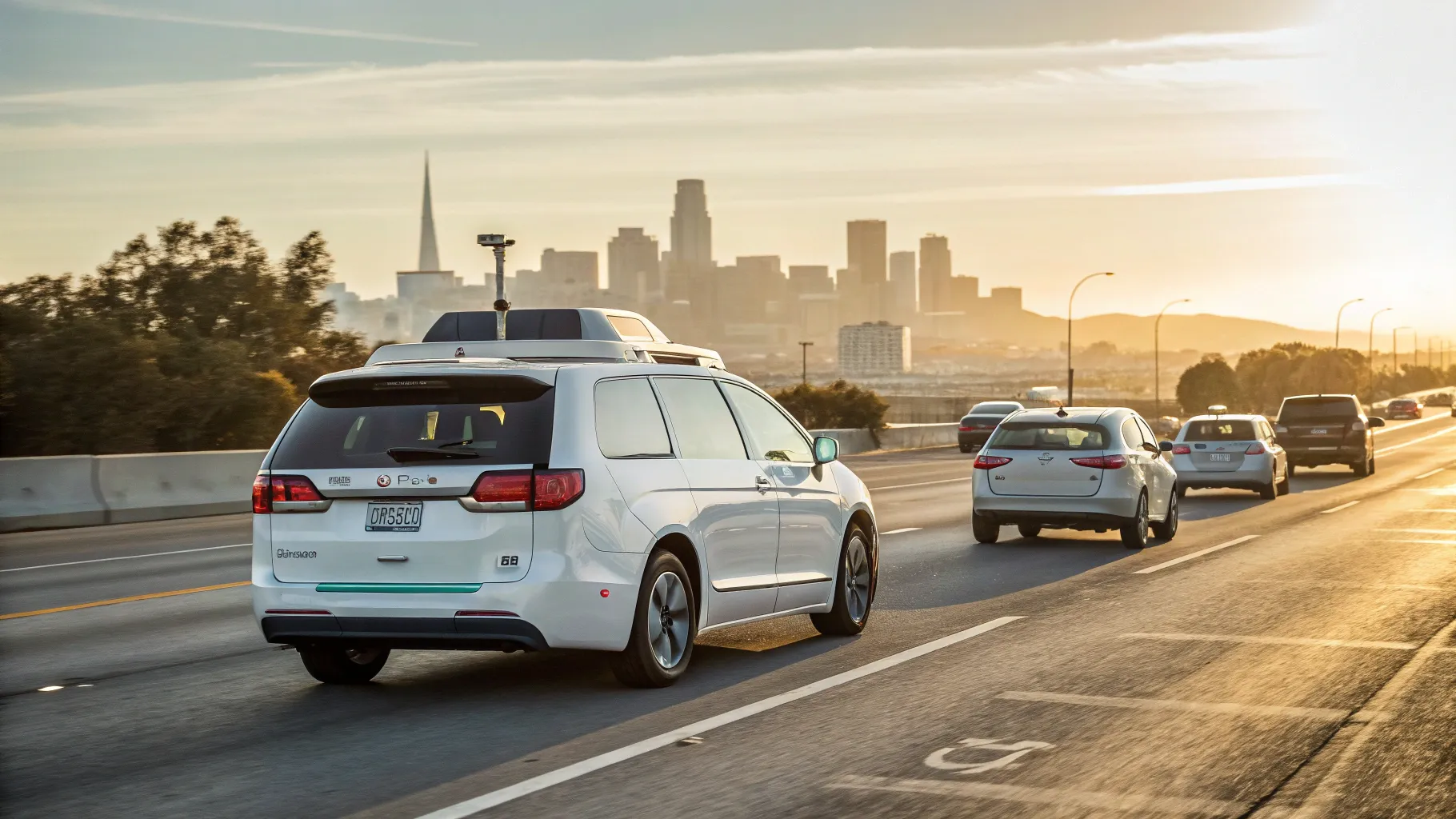
Waymo plans to extend driverless ride-hailing to freeways in San Francisco, Los Angeles, and Phoenix, stepping up its push to scale service as rivals fight for market share. The Alphabet unit signaled the move as competition for autonomous rides intensifies across major U.S. cities, and as regulators weigh safety and public trust.
Google subsidiary to offer services on San Francisco, LA and Phoenix freeways as it scales expansion amid competition.
Expansion Across Key Corridors
The freeway push builds on Waymo’s operating zones in San Francisco and Phoenix, and its growing presence in Los Angeles. The company has offered paid rides in Phoenix for years and expanded driverless service in San Francisco after state approvals in 2023. Freeway operations mark a new phase, targeting longer, faster trips between neighborhoods, airports, and business centers.
Freeway service matters because much of urban travel involves highway segments, not just surface streets. By adding these routes, Waymo can connect more of each metro area and make its service more useful during peak periods.
- San Francisco Bay Area: Linking city streets with I-280 and US-101 corridors could cut travel times.
- Los Angeles: Adding segments of I-10, I-405, and US-101 would reach car-heavy commutes.
- Phoenix: High-capacity roads suit the region’s spread-out layout and airport access.
Regulation and Oversight
California’s Department of Motor Vehicles and the California Public Utilities Commission govern testing and commercial robotaxi operations. Waymo secured key approvals in 2023 to charge fares in San Francisco and has continued working with local officials in Los Angeles. Arizona regulators have generally supported autonomous vehicle pilots in Phoenix, where Waymo has logged millions of miles.
Freeway use will likely draw fresh scrutiny. State agencies can pause or limit permits if safety incidents occur. Cities also track traffic impacts and emergency response access. Waymo has argued its vehicles are conservative drivers and share safety reports with regulators to support expanded service.
Competition Heats Up
Waymo’s move comes as rivals try to regain footing or push new features. General Motors’ Cruise paused driverless operations nationwide after a 2023 pedestrian injury in San Francisco. It has resumed limited supervised testing and is working to meet state demands before returning to full service.
Tesla continues to roll out its driver-assistance software to customers, including highway driving, but it requires an attentive driver and is not a ride-hailing service. Aurora focuses on autonomous trucking on highways, with pilots on long-haul corridors. Zoox and Motional have tested ride services in parts of Nevada and California, though funding and permits shape their pace.
Waymo’s freeway expansion aims to differentiate a paid, driverless ride service from supervised systems in personal cars. It also sets a benchmark for competitors seeking to prove reliability on higher-speed roads.
Safety Data and Public Perception
Safety remains the deciding factor. Waymo has published reports comparing its crash and injury rates to human drivers, citing lower incident rates in its service areas. Independent verification and transparent incident reporting will be key as freeway speeds raise risk.
Public acceptance varies by city. Riders in Phoenix have had more exposure to robotaxis, while dense, complex streets in San Francisco and Los Angeles test software in heavy traffic, with merges and fast-changing conditions on interchanges.
Why Freeways Matter for Business
Freeway trips can boost utilization and revenue by enabling longer rides and higher average speeds. They also connect trip hotspots like airports, stadiums, and suburban job centers. If Waymo can operate reliably at highway speeds, it could reduce wait times by repositioning vehicles more quickly across a metro area.
The company still must solve pickup and drop-off logistics near ramps and ensure smooth handoffs between surface streets and highways. Integration with maps, construction updates, and incident alerts will be critical to maintain predictable service.
What to Watch Next
Key signals will include the size of the operating zones, hours of freeway coverage, and whether the service is fully driverless or uses safety operators at first. Regulators may request more data on emergency maneuvers, debris detection, and interactions with motorcycles and heavy trucks.
Waymo’s next phase will show whether freeway capability can unlock broader adoption and stable unit economics. Rivals will likely respond with their own highway plans or partnerships to stay in the race.
Waymo’s push onto freeways in San Francisco, Los Angeles, and Phoenix could define the next stage of autonomous ride-hailing. The outcome will hinge on safety performance, regulatory approvals, and rider trust. Watch for step-by-step zone expansions, clearer safety metrics, and signs that freeway service trims wait times and opens new, longer routes.

A seasoned technology executive with a proven record of developing and executing innovative strategies to scale high-growth SaaS platforms and enterprise solutions. As a hands-on CTO and systems architect, he combines technical excellence with visionary leadership to drive organizational success.