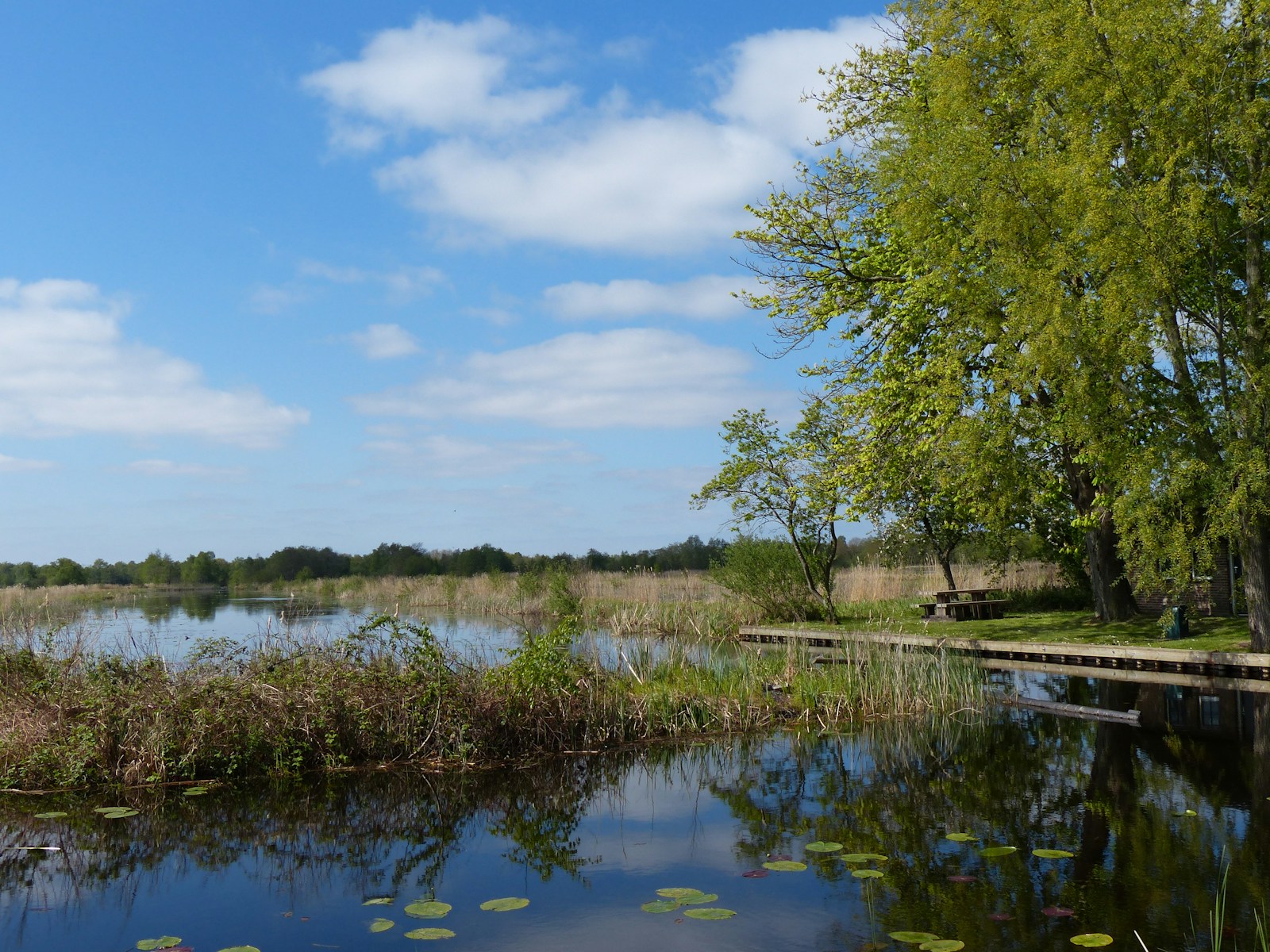
Wetlands can act as natural buffers to reduce wave energy, providing critical protection against coastal erosion and flooding. Research conducted by the Cambridge Coastal Research Unit (CCRU) at the University of Cambridge, UK, in collaboration with the Department of Geography, Trinity College, Dublin, Ireland, has fundamentally altered our understanding of how intertidal wetlands function in natural coastal protection and risk reduction. Natural flood management (NFM) seeks to protect, restore, or emulate the natural functions of rivers, floodplains, catchments, and the coast to mitigate flooding and coastal erosion.
Wetland restoration is a key component of NFM, offering significant benefits for reducing flood risks and providing broader environmental advantages. The findings from CCRU have played a pivotal role in shaping coastal management policies and practices. The UK’s Climate Change Risk Assessment (CCRA2) identified flooding and coastal change as the highest climate risk for the UK, necessitating effective and sustainable solutions.
Projected sea-level rise is expected to affect approximately 1,000 km (20%) of England’s coastal defenses by 2100, making exclusive reliance on hard engineering increasingly unfeasible (Environment Agency, 2024). Extensive research by the CCRU demonstrated that coastal wetlands, such as salt marshes, can significantly dissipate wave energy during storms, protecting coastal communities and infrastructure. By acting as natural barriers, these ecosystems reduce wave heights that reach man-made structures, decreasing the necessity and cost of complex engineering solutions.
The CCRU’s work has been instrumental in advocating for the policy of ‘managed realignment.’ This strategy involves restoring natural habitats by allowing the coastline to adjust in ways that benefit both the environment and human communities. Managing realignment aligns with ecological and economic goals by creating new habitats and reducing maintenance costs associated with artificial defenses. Field campaigns and experimental research by the CCRU quantified the extent to which coastal wetlands mitigate wave energy.
Wetlands as natural coastal buffers
Studies conducted in Essex estuaries and Morecambe Bay found that salt marshes can reduce wave heights by 15-20% during extreme storms. This highlights the stability these natural systems provide to adjacent infrastructure.
These studies consider factors such as water depth, wave height, vegetation type, and sediment characteristics, leading to a nuanced understanding of wetlands’ protective benefits. Experiments in the world’s longest wave flume showed that a 40-meter-wide band of salt marsh could significantly lower storm wave heights, with a notable percentage of reduction attributed to the vegetation and stable sediment they help to create. This evidence has been crucial for informing coastal management practices and demonstrating the benefits of preserving and restoring natural habitats.
In 2017, the Environment Agency published findings that referenced CCRU research demonstrating the ability of salt marshes to reduce wave heights under extreme conditions. The Principal Scientist in Flood & Coastal Risk Management Research at the Environment Agency noted the importance of this evidence in developing an evidence base for natural flood management to be mainstreamed into coastal erosion risk management. In addition to influencing policy, the CCRU developed models and visualization tools to help coastal managers implement natural coastal protection strategies.
These tools integrate scientific research with practical applications, empowering decision-makers to incorporate wetlands into coastal defense plans. The work of the CCRU has underscored the importance of viewing coastal wetlands not just as natural environments but as essential components of flood and erosion management strategies. According to the Head of People Conservation Science at the RSPB (2020), the CCRU’s research provided critical scientific backing for the RSPB’s positions on natural coastal protection and coastal habitat restoration.
This enabled advocacy and improvements in government coastal management policies, particularly in initiatives like managed realignment at sites such as Titchwell, Wallasea Island, and Medmerry. The transformative research and advocacy by the CCRU highlight that coastal wetlands are vital to sustainable coastal management, offering protection against the effects of climate change and enhancing the resilience of coastal communities.
Image Credits: Photo by Elly Kelders on Unsplash

Johannah Lopez is a versatile professional who seamlessly navigates two worlds. By day, she excels as a SaaS freelance writer, crafting informative and persuasive content for tech companies. By night, she showcases her vibrant personality and customer service skills as a part-time bartender. Johannah's ability to blend her writing expertise with her social finesse makes her a well-rounded and engaging storyteller in any setting.