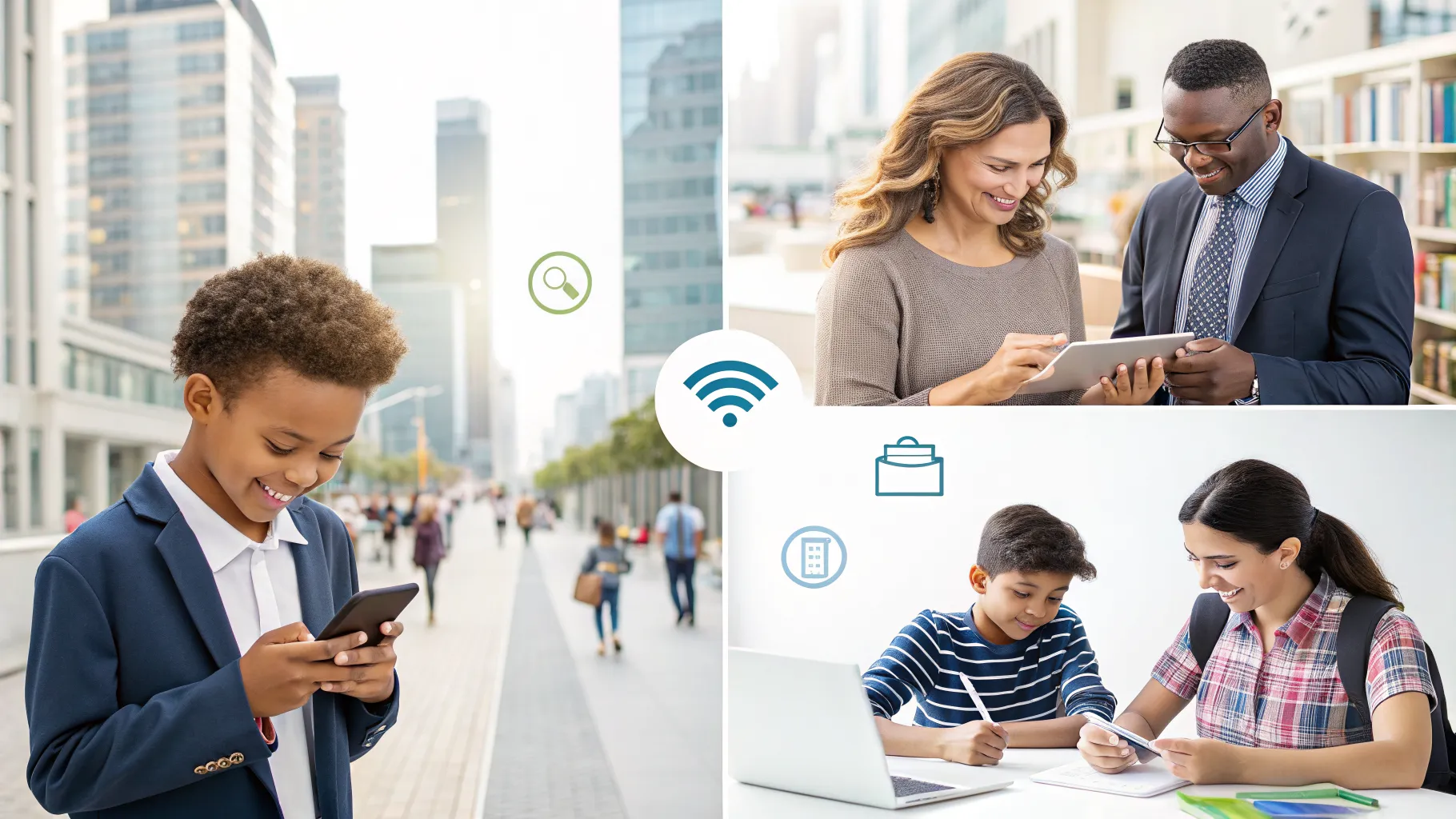
As debates over screen time and social media intensify, a growing chorus argues that smartphones have delivered lasting public benefits that outweigh their costs. Policymakers, parents, and educators are weighing trade-offs, while technologists point to everyday gains in safety, access, and economic activity made possible by near-constant connectivity.
Advocates say the device in a pocket has become a lifeline for emergency response, health care, and work. Critics warn about distraction, misinformation, and privacy risks. The central question is whether society can keep the benefits while reducing the harms. Supporters are clear on their case.
“Some might say smartphones have caused more harm than good. Here’s why putting a powerful computer into every pocket was a good idea.”
A Decade of Ubiquity and Change
Since the late 2000s, smartphones have reshaped daily routines. They collapsed cameras, maps, music players, and email into one tool. App stores created new services for transport, banking, and learning. For many, the phone became the first and only computer they own.
Public agencies and businesses followed the shift. Alerts now reach people in seconds. Identification, ticketing, and payments moved to secure wallets. News and community updates spread faster than ever, for better and worse.
Everyday Benefits That Stick
Supporters highlight practical gains that touch core needs—safety, health, and access to work. These changes are simple, but they compound.
- Safety: Location sharing, emergency calls, and severe weather alerts save time when minutes matter.
- Health: Telehealth visits, prescription refills, and secure messaging connect patients and clinicians.
- Access to work: Job listings, mobile resumes, and ride-hail or delivery apps open more ways to earn.
- Finance: Mobile banking, payments, and budgeting tools bring services to people without nearby branches.
These functions do not require high-end devices. Even budget models can host secure messaging, translations, and navigation. That reach is central to the equity case for smartphones.
Education, Language, and Civic Life
Teachers and students use phones to take photos of whiteboards, scan documents, and check assignments. Short videos explain algebra steps or science concepts. Recorded lectures and podcasts help students who commute or work after class.
Language tools have improved daily life for immigrants and travelers. Real-time translation helps at clinics, schools, and stores. For civic life, election information, transit updates, and community alerts arrive quickly on official channels, widening access to public services.
Small Business on a Small Screen
For shops and solo workers, a phone doubles as a cash register, marketing office, and customer service line. Sellers can set up storefronts, accept card payments, and chat with buyers without renting space. Restaurants manage orders and delivery on one screen.
This mobility lowered barriers for first-time entrepreneurs. Photographers, tutors, and home repair workers find clients through listings and reviews. While fees and competition remain concerns, the entry point is far cheaper than in the past.
The Risks Are Real—and Manageable
Concerns are well known. Notifications can fracture attention. Social feeds can spread false claims. Apps may collect sensitive data. Youth mental health experts urge caution with late-night use and social comparison. These issues call for design changes and better habits, not a retreat from mobile access.
Several steps show promise:
- Defaults that reduce distraction, like batch notifications and quiet hours.
- Stronger privacy controls, including on-device processing for sensitive features.
- Age-appropriate settings, clearer content tools, and family controls.
- Media literacy programs that teach verification and respectful online behavior.
Public institutions are also setting standards. Some schools limit in-class use but keep phones available for family contact and safety. Regulators are pressing for clearer data practices and safer design for teens.
What to Watch Next
Phone makers and app developers are adding digital well-being tools and giving users more control. Battery and camera upgrades get headlines, but quieter changes—like permission prompts and privacy dashboards—may matter more for daily life.
On the service side, more health systems, courts, and local governments are building mobile-first portals. If designed well, these reduce wait times and broaden access. The test is whether services remain usable on low-cost devices and slow connections.
The record shows a mixed picture, but the core case is durable. Smartphones connect people to help, work, and public life in ways that were once out of reach. The next phase will be judged not by new features, but by how well society steers design, rules, and habits to keep the gains and cut the harms.

Kirstie a technology news reporter at DevX. She reports on emerging technologies and startups waiting to skyrocket.