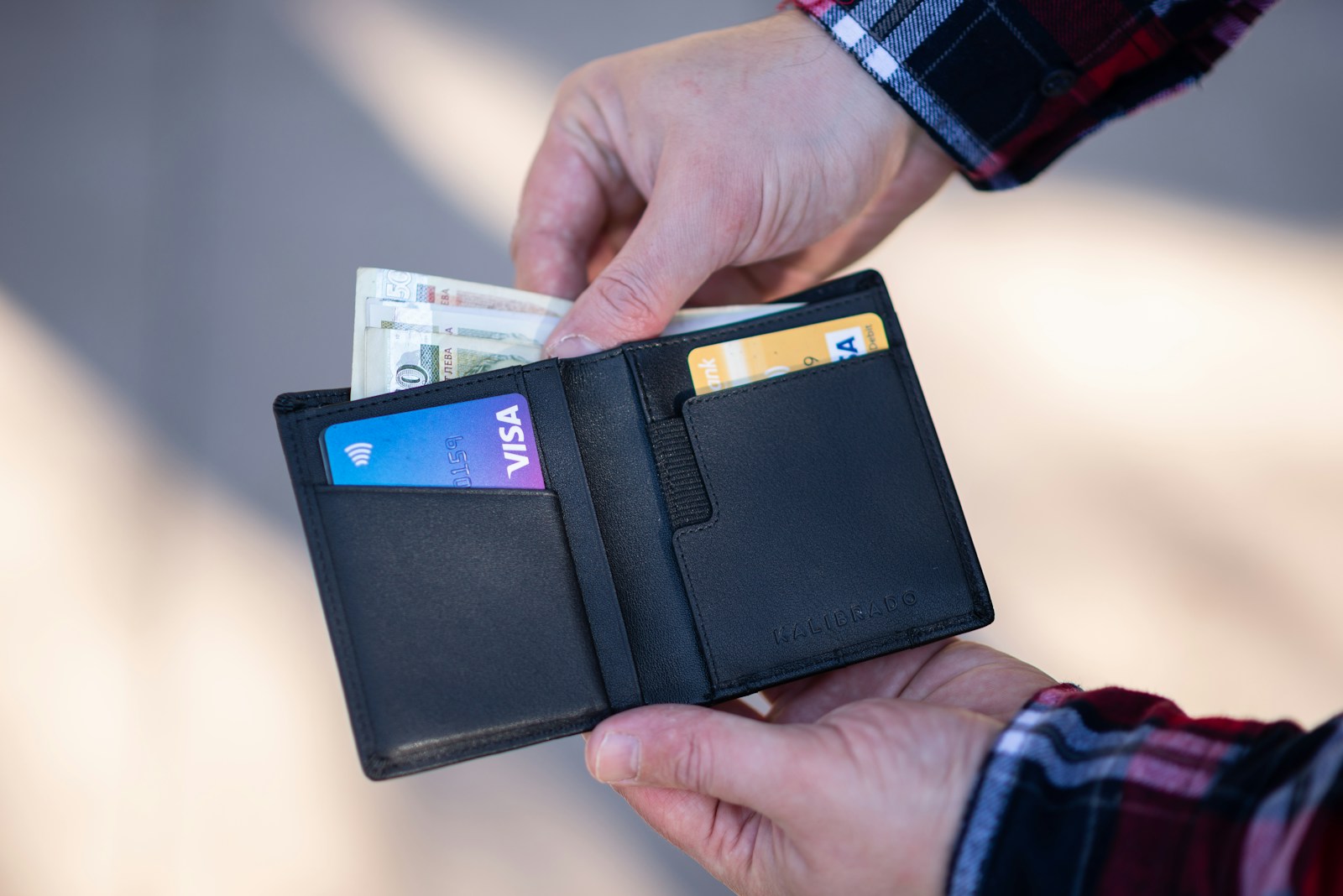
Many businesses use credit cards to make commercial transactions easier since they are quicker and more straightforward than real cash or checks. However, disclosing the company’s credit card information online or to suppliers may attract theft, and no one wants that to happen. Using virtual credit cards is an alternative solution to this problem.
The trick is that virtual business cards have a temporary 16-digit number, a CVC, and an expiration date. They are impossible to trace to your bank account, allowing you to establish a maximum spending limit. These features help reduce the harm fraudsters might do to your company. Although all these benefits may sound rather self-explanatory, many important details remain to explore. In this post, we’ll look at the main advantages of virtual cards, what a virtual card is, and the most popular use cases for them. So keep reading and be inspired.
Benefits of Using Virtual Credit Cards
There are many good things about using virtual credit cards for business. Regardless of the niche your business operates in, there are many ways how you can benefit from using a virtual credit card.
Increase Financial Control
With virtual credit cards, you get greater control over your corporate finances. Maximum payment limitations, automatic expiry dates, and vendor (or category) restrictions provide you more control over your business’s costs and spending. This is particularly critical for e-commerce businesses and tiny startups that may not have a lot of resources.
Automate the Processes
The expense reporting procedure may be too difficult. As a result, many employees may procrastinate until the deadline for the report to be sent. Manually categorizing each item is not only time-consuming but also error-prone. This is where virtual credit cards can come to the rescue. They allow for automatic cost categorization. For example, you can issue LinkPay virtual credit card for Bing ads, Upwork payments, or recurring subscription payments. These cards also offer automatic reporting, which significantly simplifies the whole process.
Reduce the Risk of Fraud
Virtual credit cards may help safeguard your company from fraudulent transactions and other security threats. You can protect your company’s information by activating or deactivating an instant virtual credit card. Merchant locks can also be used to prevent unauthorized access.
Make Purchases for Employees Easier
Employees using virtual cards may make purchases online or in person. They will be permitted to spend up to a predetermined amount every month. This feature simplifies purchases for both workers and supervisors by eliminating the need for time-consuming administrative tasks, such as submitting a budget request, having it approved, distributing funds, and so on. Additionally, virtual credit cards allow for significantly minimizing fees.
Create Single or Multi-Use Cards
As a rule, a company manages a variety of payable accounts. Some payments are only due once, while others must be made on a regular basis. Physical cards cannot be issued for a single use. Blocking a card after usage might take weeks after submitting a request. Luckily, there is no such issue with a virtual credit card. You can use a virtual credit card to purchase Internet ads and thus promote your business online.
Simplify Vendor Management
Your card management software allows you to generate virtual payment cards depending on your number of merchants. This allows you to examine the overall number of suppliers in your company’s various divisions as well as the amount of money spent on them. This access to accounts payable is especially useful when working on spending analytics and insights.
Virtual Business Credit Card Use Cases
Companies use virtual credit cards to pay suppliers, enable workers, and have greater control over their finances. Here are some of the most popular industries and business types that will definitely benefit from employing virtual credit cards:
- Insurance companies — A health insurance company can use a virtual credit card to cover primary care claims. This avoids the usage of checks and the problems that come with them;
- Travel agents — An online travel agency (OTA) may use virtual credit cards to associate each booking with a unique account number. This makes it easy to reconcile various trips, payments, and customers at the end of the month.
- IT companies and businesses — IT professionals use virtual credit cards to buy software, subscriptions, and tools. This allows for more secure transactions and better monitoring of IT expenditures.
General Use Cases
Regardless of your company’s niche, there are general scenarios for using virtual credit cards. Among the most common use cases are as follows:
- Contractor payments — Companies (such as those in construction and development) use virtual credit cards to pay to freelancers and independent contractors for project-related costs. They must only specify expiry dates and expenditure restrictions corresponding to project durations.
- Online purchases — virtual credit cards are often used for online transactions. They are often safer than actual cards and may be issued for one-time use, reducing the possibility of abuse or fraud.
- Recurring payments — virtual credit cards are an ideal alternative for regular payments. Virtual credit cards may be used to pay for subscriptions, office supplies, and anything else that a company requires monthly or quarterly.
- Supplier payments—A company can employ virtual credit cards to improve its accounts payable procedures, lowering the time required for invoice administration and payment processing. This helps to promote efficiency, allowing a company to cultivate supplier relationships and take advantage of early payment incentives.
- Employee spending — A corporation may issue a virtual credit card to team members for particular business transactions. This may apply to certain positions or duties, such as sales, marketing, or office administration. You can even label a card for either single or numerous usage.
- Monitor subscriptions and campaigns — virtual credit cards eliminate the trouble of coordinating various payments for many subscriptions by filling the card with money that will automatically pay for each subscription service.
- Issue a corporate travel card for workers. A virtual debit card can be used to purchase airline tickets, hotels, and even transportation for corporate travel. Therefore, corporate representatives and executives can be more productive on business trips without worrying about running out of corporate cash or using their own money.
Virtual Credit Cards: The Next Big Thing for Companies
The usage of physical cards is still widespread today. However, virtual credit cards are becoming the key high-tech trend for small businesses, particularly those that often deal with vendors and suppliers. There are many good reasons for that, from increased financial control to simplified vendor management and process automation.

Kyle Lewis is a seasoned technology journalist with over a decade of experience covering the latest innovations and trends in the tech industry. With a deep passion for all things digital, he has built a reputation for delivering insightful analysis and thought-provoking commentary on everything from cutting-edge consumer electronics to groundbreaking enterprise solutions.