The healthcare sector is undergoing a revolutionary shift, with enterprise AI-driven software becoming more prominent and changing how medical practices operate. This technological advancement involves more than just process improvement. It rethinks how physicians care for patients, how hospitals function, and how data is used to anticipate and prevent health problems.
For years, healthcare systems have suffered from antiquated infrastructures and ineffective procedures. With the advent of AI-driven software, healthcare providers now have a “brain” that can analyze, learn, and make complicated decisions based on vast amounts of data. This new intelligence allows healthcare workers to focus on providing patient care rather than performing repetitive tasks.
AI actively learns from past data, identifies patterns, and forecasts future trends in patient health. Consequently, medical personnel can make better decisions with precise knowledge, reducing errors and improving patient outcomes. “It’s not about replacing healthcare professionals but empowering them.
AI-driven software allows us to extend doctors’ capabilities and bring a level of efficiency that was once unimaginable,” says Sanket Sahu, CEO & Founder of GeekyAnts. Healthcare providers have faced many challenges, including long waiting times, administrative bottlenecks, and rising operational costs. AI-driven software transforms these challenges into opportunities, enabling healthcare providers to improve efficiency, reduce costs, and enhance patient care.
AI tools quickly evaluate enormous volumes of data, providing insights that human experts would take considerably longer to find. AI-powered enterprise software also transforms administrative tasks that have long hindered medical practitioners. Routine activities like data entry, billing, and appointment scheduling are now managed effortlessly by AI technologies, allowing medical professionals more time to focus on patient care.
AI’s importance in patient management extends beyond administrative tasks. With improved efficiency in tracking treatment plans and follow-ups, healthcare providers can ensure no detail of patient care is missed. AI-powered solutions monitor patient adherence to therapies, identify upcoming visits, and provide reminders, enhancing patient outcomes and reducing risks.
Ai driving modern healthcare efficiency
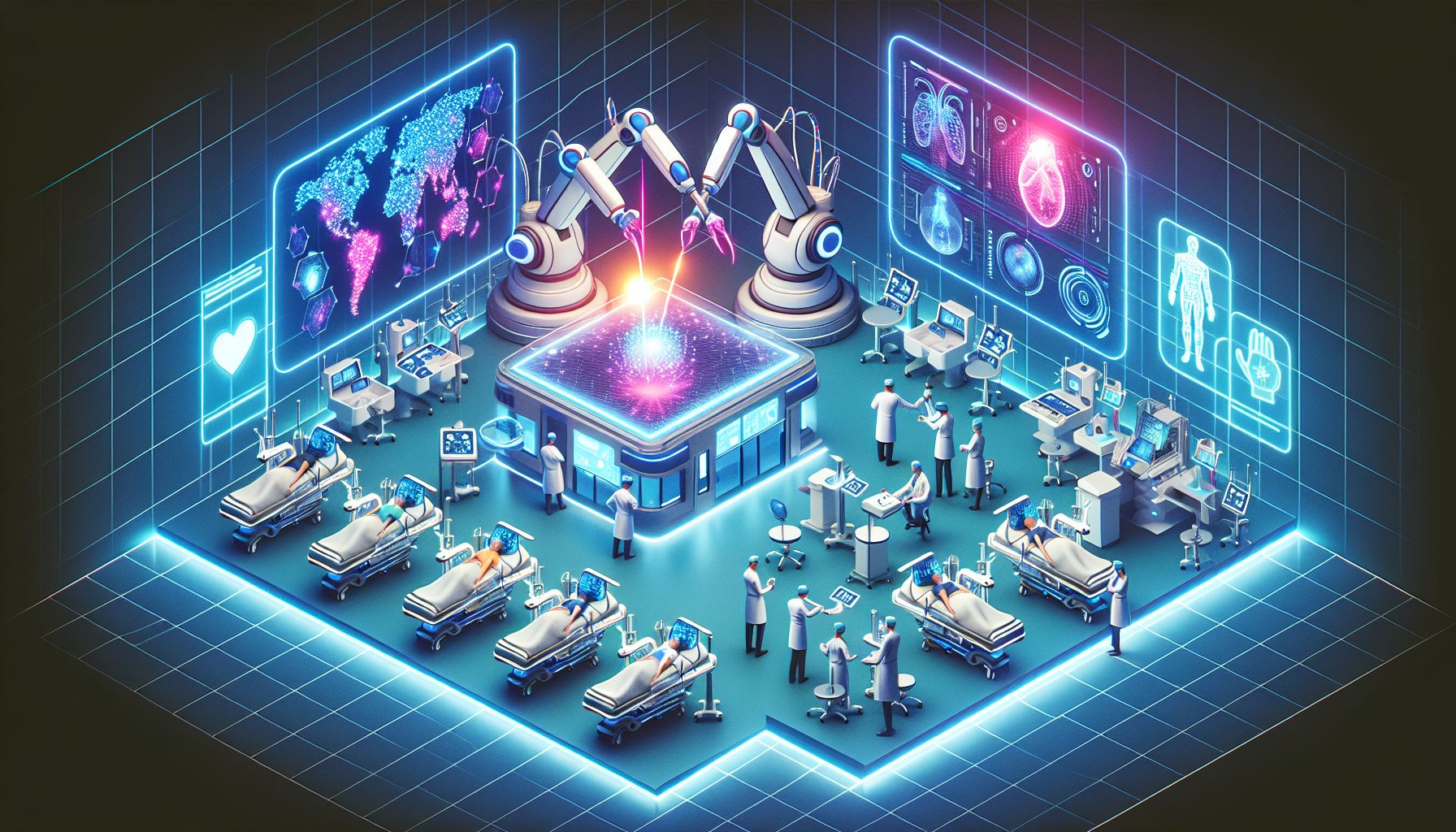
AI already influences many aspects of medical practice, from managing hospital operations to assisting with complex surgeries. Hospitals and medical organizations worldwide use AI-driven software to optimize workflows, increase process efficiency, and free up resources for better patient care.
Telemedicine is one area significantly impacted by AI. Beyond simple video calls, AI-driven systems now analyze patients’ information, estimate possible diagnoses, and suggest further treatment, integrating AI into remote care for emergencies and routine practice. In diagnostics, AI-driven equipment interprets medical images faster and more efficiently than the human eye.
AI algorithms have sometimes outperformed even the most experienced radiologists in recognizing early signs of life-threatening diseases, positively impacting patient outcomes. Although the healthcare sector may slowly adopt new technology, many organizations already embrace AI. For example, AI diagnostic technologies in U.S. hospitals analyze medical images, revealing instances human specialists might miss, leading to quicker diagnoses and preventing deaths.
Predictive healthcare is another area where AI excels. By processing large amounts of patient data, AI can identify individuals at higher risk of chronic conditions like diabetes and heart disease, enabling preventive measures before diseases manifest. U.S. hospitals also use AI-based predictive models to improve resource utilization, devising staffing policies and preparing for patient increases. This also translates into new opportunities for specialized professionals like travel CT techs to fill high-demand positions and critical staffing gaps.
These improvements lead to increased productivity and better treatment outcomes while reducing hospital resource consumption. In the United Kingdom, the National Health Service (NHS) incorporates AI in diagnostic services to minimize patient waiting times and increase the accuracy of diagnoses. As more nations recognize AI’s potential in healthcare, they follow suit, improving healthcare provision worldwide.
Health Information Managers and other healthcare practitioners face overwhelming amounts of records. However, advanced AI software makes this data a valuable opportunity to enhance treatment quality. AI transforms healthcare by quickly analyzing large data sets and recognizing patterns that might elude human operators.
In summary, integrating enterprise AI-driven software in healthcare is revolutionizing medical practices, improving efficiency, reducing costs, and enhancing patient outcomes. The future of healthcare is now intertwined with AI, promising a more intelligent and efficient system centered on patient care.

April Isaacs is a news contributor for DevX.com She is long-term, self-proclaimed nerd. She loves all things tech and computers and still has her first Dreamcast system. It is lovingly named Joni, after Joni Mitchell.