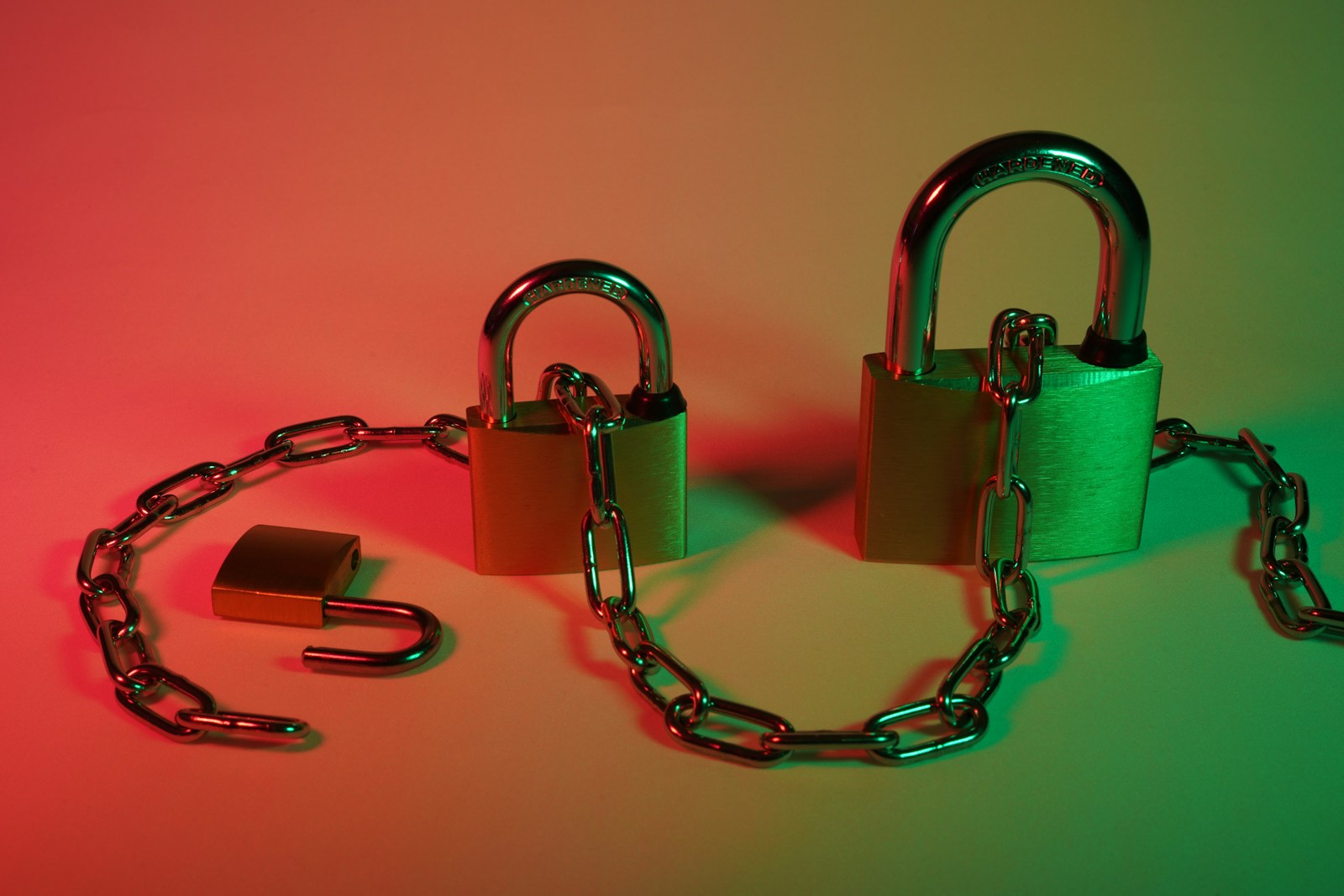
Security is essential for your construction company to operate efficiently and safeguard important assets. You encounter particular difficulties as your projects get bigger and more complicated, which calls for aggressive management and close attention. If you don’t work on these problems on time, monetary losses become a persistent threat, project delays, and even harm to your corporate image. Create a security management architecture customized to your operations’ unique requirements to reduce these threats.
Secure your construction site with an approach covering all aspects of your business, addressing physical and digital vulnerabilities. From safeguarding materials and equipment to protecting sensitive data, continuously evolving your efforts could make or break how your business handles and mitigates these risks. With continuous monitoring and evaluation of security measures, your construction business can remain effective against emerging threats.
Physical Security Challenges on Construction Sites
Construction sites are particularly vulnerable to physical threats, including theft, vandalism, and unauthorized access. These issues can disrupt your projects and result in significant financial setbacks.
Understanding these risks and implementing preventive measures can help you maintain uninterrupted operations. Collaborating with security management professionals to design tailored solutions enhances overall site safety.
Protecting Equipment and Materials
Costly commodities like copper, heavy equipment, and tools are frequently taken from unprotected locations. When unauthorized activity occurs, installing real-time monitoring systems can deliver notifications instantly. Furthermore, making sure inventory is managed properly lowers the risk of loss and theft.
Managing Access Control
Unauthorized personnel accessing your site can lead to accidents, liability issues, and theft. Installing a reliable access control system, including badge readers and biometric scanners, ensures that only authorized individuals can enter restricted areas.
Regular audits of access logs help identify anomalies and improve system effectiveness. Combining these measures with visible security personnel further deters unauthorized entries.
Preventing Vandalism
Vandalism not only damages property but also delays project timelines. Adequate lighting, business remote surveillance cameras, and clear signage deter would-be vandals. Engaging with community leaders to raise awareness about the importance of your site can also reduce vandalism risks. Swiftly addressing any incidents that occur reinforces your commitment to maintaining a secure site.
Digital Security Risks in Construction Businesses
With the increasing reliance on technology, you could face significant digital threats in managing your construction businesses—this makes cybersecurity just as important as physical security when protecting your operations.
With a single breach, hackers can compromise your business’s critical data and disrupt project workflows, underscoring the need for comprehensive digital safeguards. Leverage consultations with data security management experts to further strengthen your digital infrastructure.
Safeguarding Sensitive Data
As a construction business owner, you handle sensitive information daily—project plans, client details, and financial data. Data breaches try to compromise this information, and if they succeed, you can face legal and financial repercussions. Deploying multi-factor authentication adds an extra layer of security for critical systems. Partnering with reputable cloud service providers ensures your data is stored securely and backed up regularly.
Defending Against Cyberattacks
Threats like ransomware and phishing attempts are frequent. Operations may be disrupted, and significant financial losses may result from these assaults. If an attack occurs, having a strong incident response strategy reduces downtime. The first step in creating a strong defense is educating staff members about typical cybersecurity threats.
Securing Communication Channels
Data breaches or poor project management may result from miscommunication or illegal access to your communication channels. Make sure end-to-end encryption is used to safeguard all communication tools and limit access according to positions in your company.
Implementing usage policies for digital tools reduces the likelihood of human errors compromising security. Regular system updates keep vulnerabilities in check.
Legal and Compliance Considerations
Ensuring compliance with legal and regulatory standards protects your construction business from fines and legal actions. It also enhances trust with clients and partners. Neglecting compliance can lead to significant financial and reputational damage, so it’s essential to prioritize this aspect of security management. A proactive approach to legal obligations fosters a positive relationship with regulatory authorities.
Meeting Health and Safety Standards
The public and employees are intended to be protected by safety standards. Your regular reviews of your procedures and safety audits demonstrate your dedication to a safe workplace.
Giving all employees thorough safety training promotes adherence to rules and helps reduce accidents. Maintaining a record of your compliance activities serves as proof in the event of an audit or inspection.
Ensuring Privacy Compliance
Data protection laws require businesses to handle information responsibly. Depending on your location, familiarize yourself with regulations such as GDPR or CCPA and ensure your data handling practices meet these standards. Conducting regular assessments of data handling practices identifies areas for improvement. Leveraging secure data management tools simplifies compliance and reduces risks.
Securing Insurance Coverage
Comprehensive insurance policies in construction will act as a safety net against unforeseen events—liability insurance, theft coverage, or cyber insurance all provide adequate coverage to protect your business from potential risks.
Work closely with insurance providers to review policy terms so that they align with your evolving needs. Claiming insurance promptly when incidents occur minimizes financial disruptions.
Best Practices for Long-Term Security Management
Adopting a proactive and consistent approach to security management strengthens your defenses and minimizes vulnerabilities over time. Integrating advanced software technologies and fostering a security-conscious culture are key components.
Establishing benchmarks for security performance helps you track progress and identify gaps effectively. Encouraging open communication about security concerns within your team fosters a more vigilant environment.
Implementing Advanced Technologies
Technological advancements, such as drones for site surveillance and IoT devices connected with specialized roofing software for real-time monitoring, offer innovative ways to enhance security. Smart sensors can detect unauthorized activity, while advanced analytics help predict potential threats.
Collaborating with tech providers ensures the integration of the most suitable tools for your specific needs. These technologies are maintained and updated regularly to keep them functioning optimally.
Training Your Team
Regular training sessions on physical and digital security protocols ensure they are prepared to handle threats. Encouraging a culture of accountability motivates employees to participate actively in security management measures. Hands-on workshops and simulations provide practical experience in handling potential security breaches.
Reviewing and Updating Security Protocols
Your construction business’s security needs will evolve as your projects grow. Periodic reviews of your security measures help identify gaps and implement necessary improvements. Conducting audits with external experts offers fresh perspectives and actionable insights. Documenting these updates ensures a clear record of your evolving security approach.
Conclusion
A careful and thorough strategy is necessary for security management in your construction company. Addressing digital and physical hazards can make your assets, staff, and customers safer. Building a foundation of trust and dependability requires constant efforts to incorporate cutting-edge technology, train your staff, and follow the law. Maintaining your security measures’ efficacy requires keeping up with industry developments and making adjustments for new threats.
You may overcome obstacles with assurance and succeed in the long run if you have the appropriate tactics. Putting in place a strong security architecture demonstrates your dedication to quality and customer happiness. In the end, a safe construction company is a successful one.

Rashan is a seasoned technology journalist and visionary leader serving as the Editor-in-Chief of DevX.com, a leading online publication focused on software development, programming languages, and emerging technologies. With his deep expertise in the tech industry and her passion for empowering developers, Rashan has transformed DevX.com into a vibrant hub of knowledge and innovation. Reach out to Rashan at [email protected]