UX design is not a decoration for a software or a mobile app. It shows, explains, and sells the product, so every element is important. If you treat UX development as a strategic approach, you can leverage it as a powerful tool for growth and conversion.
An experienced designer and CEO of Other Land, Artem Ivanov, adheres to these principles. Before improving the product experience, he asks a core question: what prevents users from reaching value or adopting key features? This becomes the starting point for reshaping the product to be clearer, faster, and more usable. Artem Ivanov shared how to work on UX so that it subsequently works for you in this article.
First Experience Matters: Activation and Onboarding
For many mobile and software products, the biggest growth drain occurs in the first 10 minutes after signing up. Users log in, encounter friction, and leave before experiencing the core value. In industries such as telecommunications, where product flows are inherently complex, this challenge becomes even more critical.
Artem Ivanov and his team at Other Land faced a problematic interface for a large app. While the company was scaling and growing to 12 million users, the UX design was not configured for such a large scale. Then Other Land focused on the most important and simplified key processes, such as SIM card activation, while maintaining compliance with the law.
The system became more user-friendly due to a new visual hierarchy, the addition of Latin and Arabic script, and chatbots that reduced the load on support. Artem Ivanov emphasizes that the redesign focused on making critical value-generating flows — such as SIM activation, account upgrades, and premium feature access — more accessible and intuitive, helping users move faster toward meaningful actions.
A few weeks passed, and the number of early refusals significantly decreased. The product got a foundation for future growth.
Growth-Blocking UX: When Complexity Slows You Down
In B2B products, growth often leads to complexity. As new features are added, interfaces become cluttered, workflows become longer, and users struggle to access information. Feature clutter turns valuable tools into cognitive obstacles.
This was the case with Risk Index, a web-based platform for assessing corporate risks. The product provided valuable insights, but it struggled to attract and retain users — they couldn’t quickly see the value of the product for themselves.
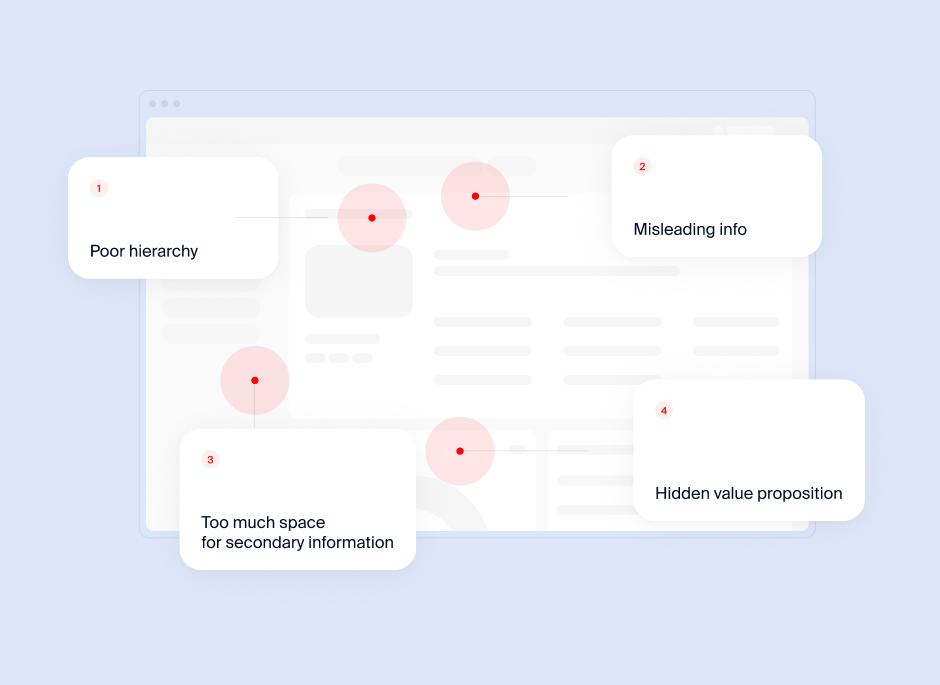
Working closely with the Risk Index team, Other Land, led by Artem Ivanov, conducted a full UX audit to identify pain points. They found that the main obstacles were unclear structure, unclear layouts, and a lack of manageable flow. So began a rethinking of the product experience, not by adding new features, but by surfacing the existing value through better structure and clearer interactions.
Artem and his team streamlined navigation, implemented a freemium model that displayed key data upfront, and introduced meaningful data visualizations, including scales to display risk levels, timelines to track changes, and bubble charts to visualize debt characteristics. Each visual was designed primarily to facilitate decision-making, but the aesthetics of the product were also considered.
Risk Index users can now evaluate risks with less effort by viewing key data immediately. But what pleases Artem Ivanov most is that the team has managed to unlock the product’s value for users. And all thanks to clarity.
Converting Interest into Revenue
In product design, visual appeal only matters if it’s paired with usability and clarity. This is especially true in digital fashion, where users need to quickly understand both the functionality and value. Artem Ivanov and his team at Other Land focus on turning user interest into action through intentional, conversion-driven design.
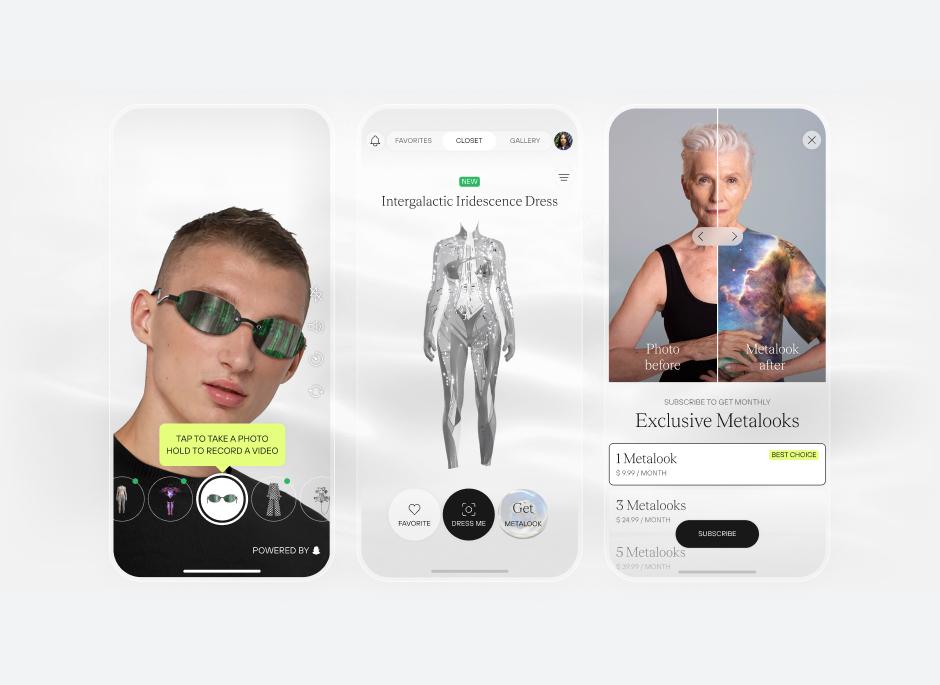
That approach proved essential in their work with DRESSX, a global leader in AR fashion. The app offered innovative AR features, but the onboarding and interface didn’t help users fully understand how to use them or why to upgrade to premium.
The team identified key issues: a fragmented layout, unclear value between free and premium AR experiences, and underused sharing features. They streamlined onboarding, clarified navigation, and introduced a refined paywall with before-and-after previews to highlight the benefits of Metalook, DRESSX’s premium subscription.
They also improved the AR Camera with a learning step, redesigned the Gallery to boost retention, and updated the News section to better showcase brand collaborations. To extend the experience, they built a Desktop Camera App for real-time AR use in video calls.
By aligning product flow with clear value signals, Other Land helped DRESSX enhance user engagement, increase adoption of premium features, and better support their core product strategy — demonstrating that design clarity can directly impact performance.
Strategic UX: Working Across Teams
Design has the greatest impact when it bridges product, business, and engineering, not just on the surface, but at a strategic level. That’s how Artem Ivanov and his team at Other Land approached their collaboration with Sides, a fast-growing SaaS platform for restaurant management.
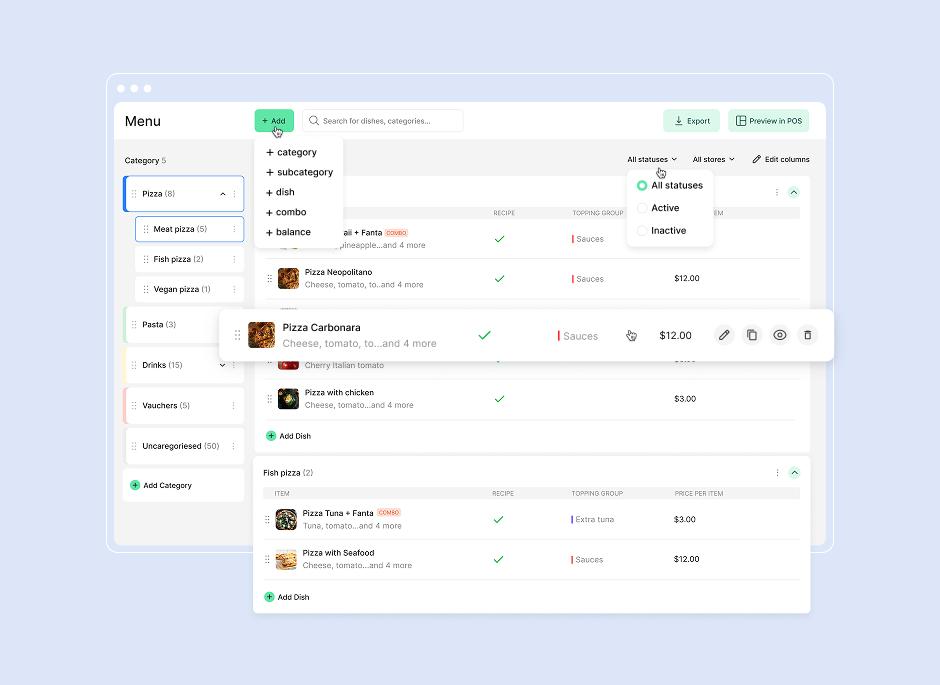
Over 10+ years on the market, Sides has become a powerful tool, but it was the complexity of the UX that kept it from being perfect. When the platform expanded modules for creating dishes, pricing, etc., new users were unable to figure it out quickly. The payback period for investments was too long, which negatively impacted the implementation process of features.
Artem’s team sought to simplify the interface without sacrificing extensive functionality. During the research, the designer observed that customers often struggled with switching between screens and creating dishes. Therefore, the functionality was redesigned so that all actions could be performed on one screen.
Onboarding
Other Land also redesigned the onboarding process, adding contextual tips and recommendations for a quicker start. Daily operations became more efficient thanks to the implementation of group actions and mobile optimization.
In addition to the main UX design, the team helped Sides launch new sub-products, including a marketing module with an audience builder, an email newsletter editor, and campaign tools. Artem Ivanov believes that well-designed product features don’t just improve usability, they increase adoption and perceived value over time.
To ensure scalability, Other Land developed a flexible design system that brought consistency across teams and accelerated iteration. The result was a product that not only looked cleaner but worked smarter, with reduced onboarding time, higher feature adoption, and stronger user satisfaction.
Through cross-functional collaboration and strategic UX thinking, Artem Ivanov and his team helped turn a complex legacy platform into a modern, scalable solution, showing how aligned design can drive real business growth.
What Artem Ivanov Learned from Redesigning 50+ Products
After redesigning over 50 products, from early-stage MVPs to complex enterprise platforms, one thing becomes clear: great UX design is always about performance.
Artem’s team has seen firsthand that the most effective design decisions come from a deep understanding of user behavior, product strategy, and business goals. The best results happen when UX teams work closely with product, engineering, and marketing, aligning not only on features, but on outcomes.
Whether it’s improving activation, reducing churn, or increasing usage of key features, clear flows, real user data, and cross-functional collaboration consistently deliver the strongest impact. Performance design wins because it’s grounded in how people actually use products, not how we imagine they might.
Artem advises: if your product feels stuck, don’t just audit the UI — audit the journey. Treat it like a funnel. Where do users hesitate? What about where do they drop off? Where does the product stop communicating value?
That’s where design begins to matter, and where the biggest growth opportunities are waiting.

Rashan is a seasoned technology journalist and visionary leader serving as the Editor-in-Chief of DevX.com, a leading online publication focused on software development, programming languages, and emerging technologies. With his deep expertise in the tech industry and her passion for empowering developers, Rashan has transformed DevX.com into a vibrant hub of knowledge and innovation. Reach out to Rashan at [email protected]