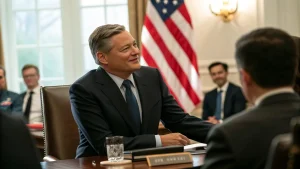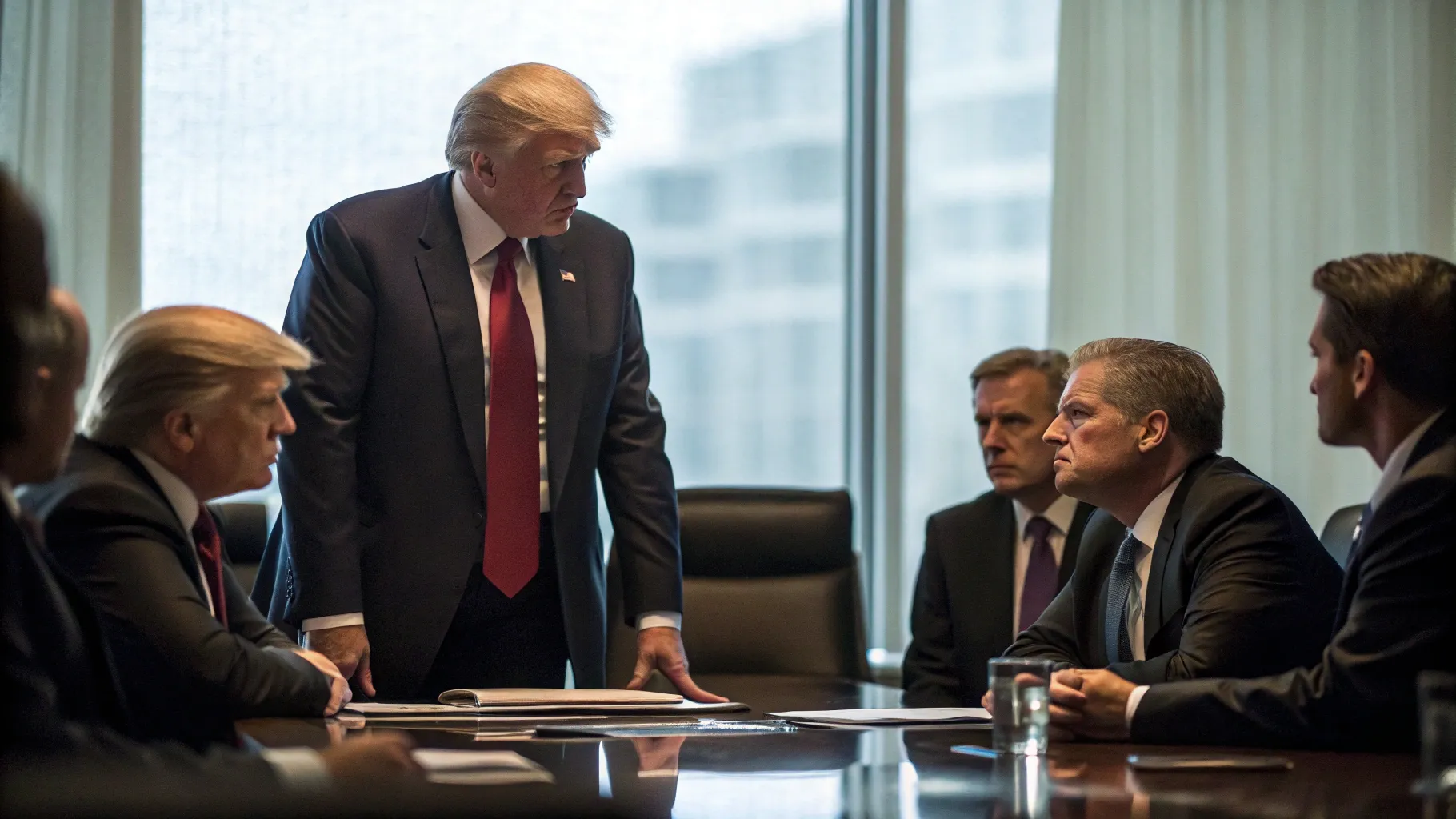
Months into his term, President Donald Trump continued to challenge executives, corporations, and institutions, reshaping the relationship among the White House, business, and academia. The approach, marked by public criticism and swift policy decisions, has unsettled long-standing expectations about how government interacts with powerful sectors of U.S. society.
“U.S. President Donald Trump has sustained his criticism and actions against executives, corporations and institutions, months after taking office. His unprecedented actions – from novel export deals to frozen university grants – have upended the status quo between the government, law, academia and corporate America.”
Background: A Presidency Defined by Confrontation
Trump campaigned on disrupting established norms. He entered office with a promise to take direct aim at institutions he argued had failed voters. That posture carried into early governing, when public comments targeted high-profile executives and corporate decisions. Universities and research bodies also came under scrutiny, reflecting a broader skepticism of elite institutions.
Social media posts and public remarks became policy signals. Markets watched for abrupt shifts. College administrators and legal experts tracked the potential effects on grants, research oversight, and regulatory enforcement. The result was an environment where statements could move boardrooms and campus offices in equal measure.
How the New Approach Changed Expectations
In previous administrations, White House engagement with corporate leaders often occurred in private meetings and formal consultations. Public rebukes of specific companies were rare. Trump reversed that pattern, applying pressure in public and framing disputes as tests of loyalty to national interests.
For universities, the concern centered on funding stability and research independence. Even the hint of frozen or delayed grants raised alarms about long-planned projects, hiring, and compliance. Legal departments reviewed their exposure and prepared for swift policy shifts.
- Companies recalibrated communications, mindful of public remarks from the White House.
- Universities planned for funding volatility and reviewed grant contingencies.
- Legal teams monitored policy signals tied to trade, compliance, and research oversight.
Implications for Business, Law, and Academia
For corporate America, the message was clear: executive decisions could draw national attention and federal scrutiny. That risk pushed some firms to factor political reaction into routine plans, from pricing to hiring to supply chain moves. Investor relations teams prepared to answer questions that mixed policy and profitability.
Legal institutions faced a steady test of procedure and precedent. Courts fielded challenges that weighed executive authority against statutory limits. The tension brought rapid filings and emergency motions, with rulings watched by both boardrooms and university offices.
On campuses, administrators tried to shield research from political swings. Concerns over grant timing and criteria prompted scenario planning. Faculty leaders pressed for clear guidelines, while students watched how changes might affect scholarships, labs, and academic programs.
Supporters and Critics Weigh In
Supporters argued the confrontational style forced powerful actors to answer to voters. They saw export deals and funding decisions as tools to reset priorities and keep commitments to domestic industry and national strength. To them, direct pressure delivered fast results often lost in slow negotiations.
Critics warned that public targeting of companies and institutions created policy whiplash. They said it discouraged investment and threatened academic independence. They also questioned the long-term cost of uncertainty for research and trade strategy.
What to Watch Next
The key variables are consistency and clarity. Markets and campuses respond better when policy aims are clear, timelines are known, and criteria are transparent. Any move that locks in stable funding rules or trade targets could calm planning cycles.
Observers will track whether corporate leaders engage more in private to avoid public clashes, and whether universities secure multi-year assurances on grants. Legal watchers will follow cases that define the reach of executive action in trade and funding decisions.
Trump’s early tenure set new terms of engagement among the White House, industry, and academia. The approach carried both leverage and risk. The next phase will show whether the pressure yields durable gains or deeper uncertainty for boardrooms, courtrooms, and classrooms alike.

Rashan is a seasoned technology journalist and visionary leader serving as the Editor-in-Chief of DevX.com, a leading online publication focused on software development, programming languages, and emerging technologies. With his deep expertise in the tech industry and her passion for empowering developers, Rashan has transformed DevX.com into a vibrant hub of knowledge and innovation. Reach out to Rashan at [email protected]