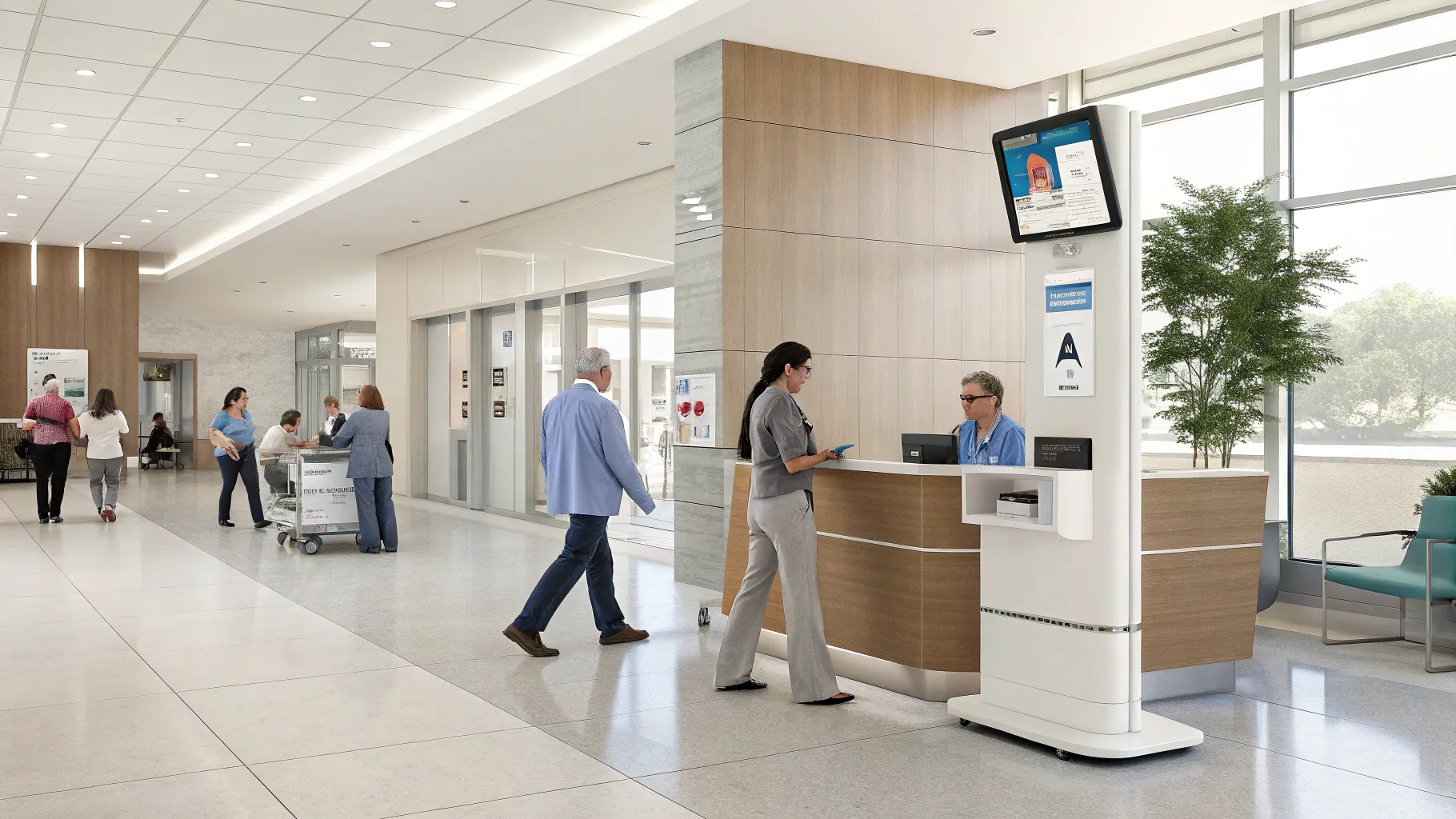
Health officials said this week that an AI receptionist has begun handling patient calls, with the goal to cut queues and speed up patient care. The system is being rolled out at a healthcare provider to manage high call volumes and route people to the right service faster. Leaders say the move aims to ease pressure on front desks and improve access for patients who need quick help.
The announcement signals a push to modernize the first point of contact in clinics and hospitals. Phone lines have long been a pain point for patients seeking appointments, test results, or advice. The AI tool is designed to answer routine questions, triage simple needs, and pass urgent cases to staff.
“The AI receptionist answers calls, cuts queues and speeds up patient care,” officials say.
Background: Why Phone Access Matters
Many providers face long hold times during mornings and Mondays. Staff shortages and rising demand have made it harder to pick up every call. Missed calls can delay care and increase the risk of patients going without help.
Digital tools have moved into online portals and chat services, but phone lines remain the most common entry point for many people. Older adults, non-native speakers, and those without reliable internet often rely on a call to reach a clinician.
Against this backdrop, leaders are testing voice assistants to handle the first few minutes of a call. They hope better routing will free human staff to manage complex cases and emergencies.
How the System Works
The AI receptionist greets callers and asks brief questions about their needs. It can book or change appointments within set rules. It can share clinic hours and location details. For symptoms that suggest urgent attention, it flags the call for a clinician or directs the caller to emergency care protocols defined by the provider.
Officials say the tool uses set scripts and decision trees refined with clinical input. Human staff remain in the loop for sensitive or unclear cases.
Benefits Cited by Officials
Leaders expect faster responses during peak hours. Calls that ask for routine information no longer wait behind urgent requests. Staff spend less time on repetitive tasks and more time on patient-facing work.
Supporters also point to after-hours coverage. The AI can answer basic questions at night and route messages for morning follow-up.
Front desk teams may gain more predictable workloads. That can reduce burnout and improve morale.
Concerns From Patients and Staff
Some patients worry about being understood by a machine, especially if they have accents, speech difficulties, or complex needs. Others fear they will be stuck in menus while seeking urgent help.
Clinicians raise questions about safety checks and escalation rules. They want clear oversight, audit trails, and the ability to override the system. Privacy and data security remain central concerns, given that callers often share sensitive details.
Labor groups ask how the tool will affect staffing. Leaders say the aim is support, not replacement, but they face calls for transparency about future plans.
Measuring Impact
Officials say success will be judged by shorter hold times, faster appointment booking, and fewer abandoned calls. Patient satisfaction scores will also matter.
- Average time to answer during peak hours
- Rate of successful bookings on first contact
- Escalation accuracy for urgent symptoms
- Patient and staff satisfaction feedback
Leaders stress that safety metrics will carry the most weight. They include audits of misrouted calls and reviews of urgent cases.
What Comes Next
The provider plans a phased rollout with regular reviews. Training will continue for staff who monitor and refine the scripts. Patient feedback lines will stay open to flag issues with clarity, tone, or accessibility.
Advocates for the system say the technology can improve access if guardrails are strong. Critics say any gains must not come at the expense of equity and safety. Both sides agree on the need for clear communication with patients.
The early message from leaders is simple and cautious. The tool should answer routine calls faster and pass complex concerns to people. The next few months will show whether the promises of shorter queues and quicker care hold up under pressure. Patients and staff will be watching wait times, safety checks, and whether the system listens as well as it speaks.

Rashan is a seasoned technology journalist and visionary leader serving as the Editor-in-Chief of DevX.com, a leading online publication focused on software development, programming languages, and emerging technologies. With his deep expertise in the tech industry and her passion for empowering developers, Rashan has transformed DevX.com into a vibrant hub of knowledge and innovation. Reach out to Rashan at [email protected]