
Why Retrieval Augmented Generation Matters for Trustworthy Business AI
Raw models guess. Retrieval augmented generation hands AI your real documents so it reasons from your facts, the foundation of trustworthy business AI.


Raw models guess. Retrieval augmented generation hands AI your real documents so it reasons from your facts, the foundation of trustworthy business AI.

The teams winning with AI did not find a prompt genius. They turned prompt engineering into a shared, documented discipline. Here is how to build it.

Voice AI is no longer just an experiment for large companies. AI agents can now conduct phone calls and ask questions, as well as qualify leads, schedule meetups, and escalate
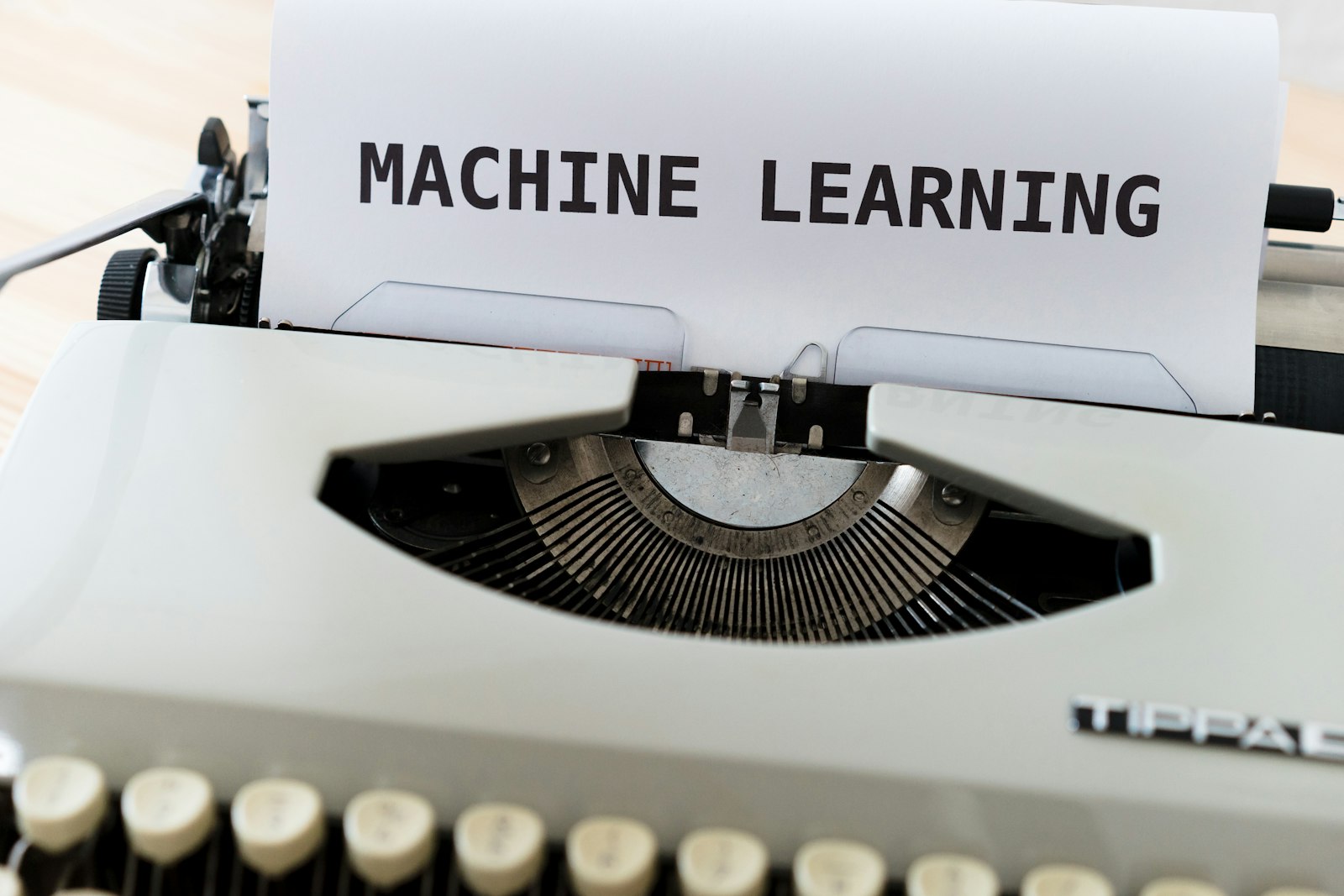
Adoption has raced ahead of results. Here are the machine learning use cases that actually pay off, and how to choose the right one for your business.

AI-powered functions, like automated ticket tagging, predictive maintenance, and virtual service agents, can cut out manual work and help staff respond more quickly to issues. It can also create a

The real early wins in generative AI in healthcare aren’t in diagnosis — they’re in the paperwork. Here’s what works, what doesn’t, and why.

Generative AI didn’t kill search — it split it in two. Here’s how to adapt your SEO to earn citations in AI answers and stay visible.

People use LLM and generative AI as if they mean the same thing. They do not. Getting the relationship right changes the tools you choose.

The data-labeling industry was built on a deal: machines do the fast work, humans check it. At the volumes physical AI demands, that deal has quietly broken, and the audit