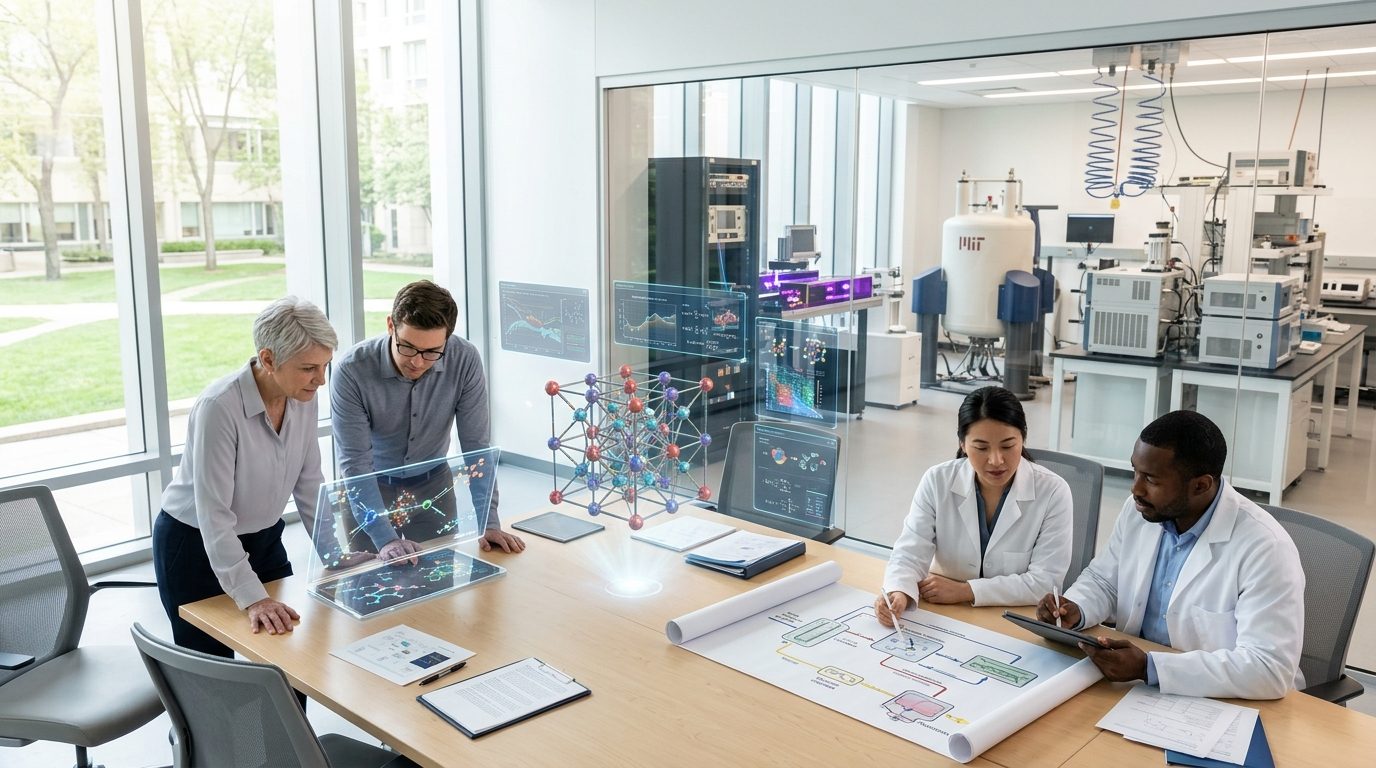
MIT researchers are set to take part in 15 collaborative projects selected for funding under the U.S. Department of Energy’s Genesis Mission Phase I.
The department announced the selections as the opening phase of the federal research effort moves ahead. MIT’s participation places its researchers among the teams working with DOE support during the mission’s first stage.
The announcement identifies the number of collaborative projects involving MIT, but does not provide funding totals, project schedules, or the names of participating researchers. Those details will help show the scale and focus of the work as Phase I develops.
Collaboration Shapes the First Phase
The selection of 15 collaborative projects points to a research model built around shared expertise. Such projects can connect university researchers with federal laboratories, government programs, and other participating institutions.
For MIT, the selections create multiple paths for contributing research during the mission’s opening phase. The number also suggests that the institute’s role will span several teams rather than a single project.
Phase I funding generally serves as an early test of research plans and working partnerships. It allows teams to begin technical work, assess initial results, and identify challenges before later decisions are made.
However, selection for an initial phase does not by itself establish long-term funding or final outcomes. Results, federal priorities, and future appropriations may affect what follows.
DOE Funding Links Research and Policy
The Department of Energy plays a major role in supporting scientific research across the United States. Its funding helps universities and partner institutions pursue work that may require specialized facilities, long timelines, or cooperation across several fields.
University participation also gives federal programs access to faculty knowledge, student researchers, and established research centers. In return, public funding can help academic teams test ideas against national research needs.
The Genesis Mission announcement offers three clear points:
- MIT researchers are expected to contribute to the federal initiative.
- Fifteen collaborative projects involving MIT were selected for funding.
- The awards fall under Genesis Phase I.
Further information will be needed to assess how the projects divide their responsibilities and what measures DOE will use to judge progress. Funding amounts will also matter because they determine staffing, equipment, and the length of early research efforts.
What Comes Next
The next stage will likely bring closer attention to project goals, partner institutions, and expected results. Public reporting on milestones would also help researchers, policymakers, and taxpayers evaluate the mission’s progress.
MIT’s presence across 15 selected projects gives the university a sizable role at the start of the Genesis Mission. The larger impact will depend on how effectively the teams work together and whether Phase I findings support continued federal investment.
For now, the selections mark the start of a new research partnership between MIT teams and the Department of Energy. The key issues to watch are the release of award details, the scope of each project, and decisions about later phases.

A seasoned technology executive with a proven record of developing and executing innovative strategies to scale high-growth SaaS platforms and enterprise solutions. As a hands-on CTO and systems architect, he combines technical excellence with visionary leadership to drive organizational success.