Recent research at Israel’s Tinshemet Cave has revealed that Neanderthals and early humans interacted more than previously thought. The study, published in Nature Human Behavior, found that these two groups shared many aspects of their daily lives and customs. “Neanderthals and Homo sapiens are sister populations,” said Israel Hershkovitz, an anthropologist at Tel Aviv University and co-author of the study.
“They interbred throughout the Middle Paleolithic period.”
The team investigating ancient human burials examined stone tools, hunting strategies, and social aspects. They discovered Neanderthals and early humans were more intertwined in this region than earlier studies suggested. Neanderthals, known for their stocky frames and pronounced brows, interbred with anatomically modern humans.
Previous research has constrained the timeframe of this interbreeding in Europe. The new findings indicate that such interactions may have occurred earlier in the Levant. Instead of killing each other and competing for food resources, the groups shared knowledge and technology—and, of course, genes—to the extent that their habitation sites are indistinguishable,” Hershkovitz explained.
Neanderthal and human interactions explored
In 2021, Hershkovitz was part of a team that studied roughly 120,000-year-old hominin bones from the Nesher Ramla site. These remains were neither fully Homo sapiens nor fully Neanderthal, suggesting a more complex interaction between the groups than previously understood.
The new findings imply that genetically distinct groups of Homo sapiens, Neanderthals, or hybrids may have overlapped significantly. This overlap led to the homogenization of their cultural products, hunting methods, and social structures. Several questions remain, such as what happened to the early Homo sapiens at nearby sites and the timing of their encounters with Nesher Ramla humans.
The uniformity in lithic technology, the use of ochre, a large-ungulate hunting pattern, and the presence of articulated human remains and grave goods across these sites support the idea of widespread social interactions and admixture among African and Eurasian Neanderthal-like hominins during the Mid-Middle Paleolithic period in the Levant. Hershkovitz speculated that the Nesher Ramla individuals might have been ancestors of the Neanderthals found across Europe, who disappeared from the fossil record about 40,000 years ago. Modern genetics suggests Neanderthals were not wholly extinct but absorbed into anatomically modern human populations, leaving traces in our DNA today.
This research sheds new light on the history of human evolution and the complex relationships between different hominin groups. It challenges previous beliefs about the isolation of Neanderthals and early humans, revealing a more interconnected past than once thought.
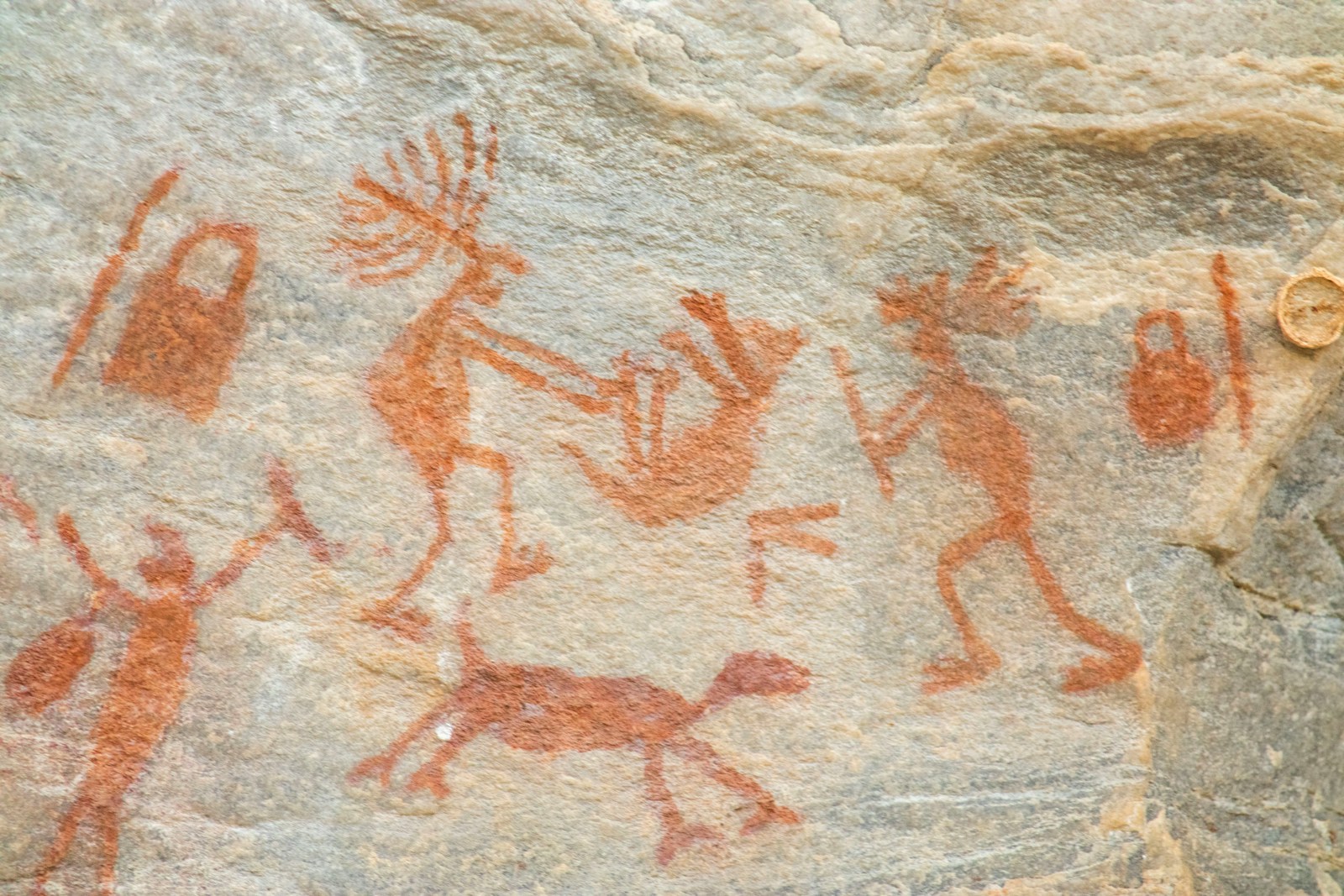
Image Credits: Photo by Vitor Paladini on Unsplash

Johannah Lopez is a versatile professional who seamlessly navigates two worlds. By day, she excels as a SaaS freelance writer, crafting informative and persuasive content for tech companies. By night, she showcases her vibrant personality and customer service skills as a part-time bartender. Johannah's ability to blend her writing expertise with her social finesse makes her a well-rounded and engaging storyteller in any setting.