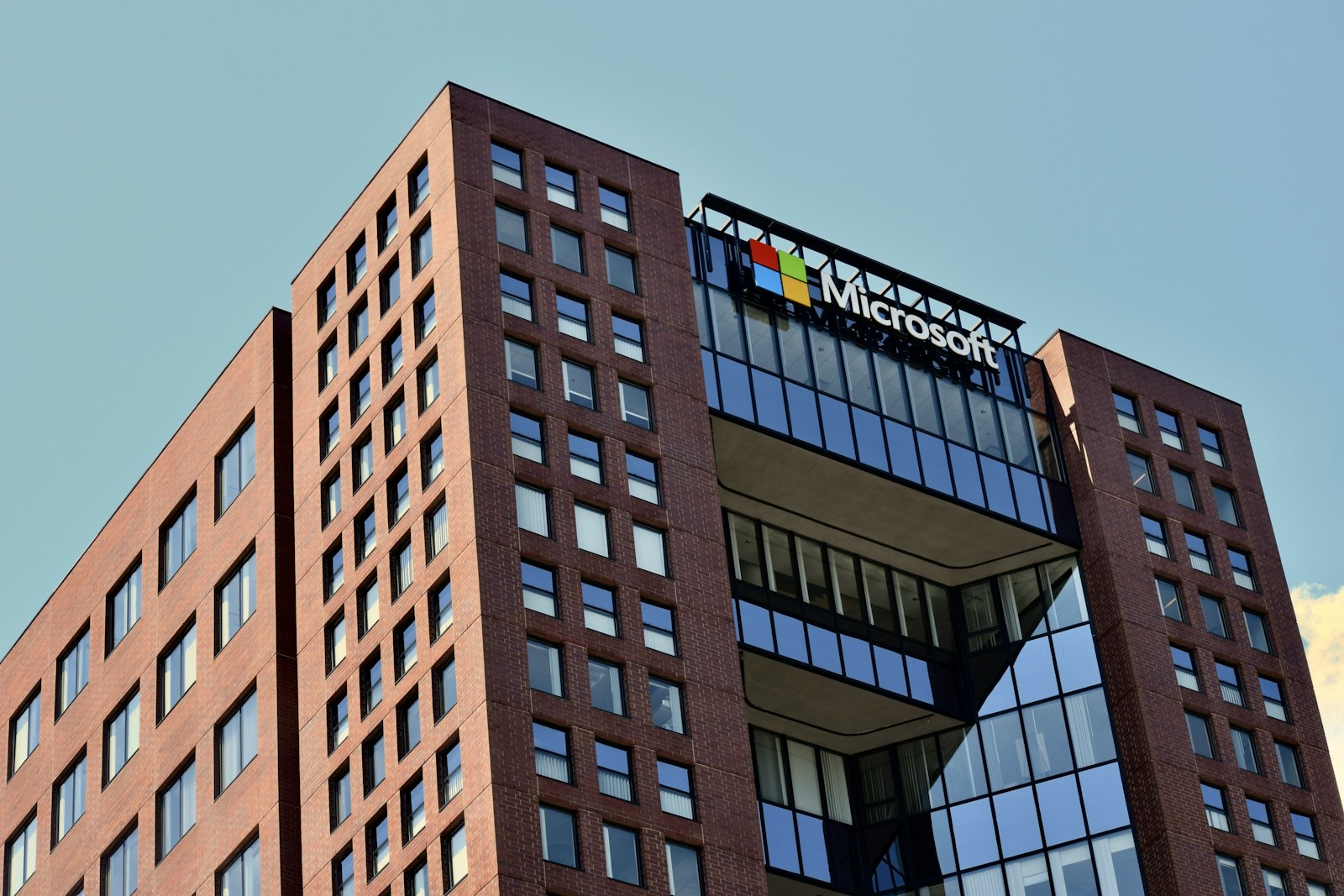
Eighteen individuals were arrested at Microsoft’s headquarters in Redmond as demonstrations against the company’s technology agreements with Israel intensified. The arrests occurred as Microsoft faces renewed scrutiny regarding its business relationships in the region amid the ongoing conflict in Gaza.
The protesters targeted Microsoft specifically for its contracts providing technology to Israel, part of a broader movement criticizing tech companies for their business ties to the Israeli government. This incident represents a significant escalation in tactics by activist groups who have been pressuring major technology corporations to sever such relationships.
Growing Tech Industry Activism
The arrests at Microsoft’s campus highlight the growing pressure technology companies face regarding their international business partnerships, particularly those with military or defense implications. Protesters have increasingly focused on major tech firms, arguing that their technologies enable actions they consider harmful.
Microsoft maintains various technology contracts with Israel, including cloud computing services and software licensing agreements. While specific details about these contracts remain limited in public discourse, activists have raised concerns about how these technologies might be deployed in the conflict.
Similar protests have targeted other technology giants in recent months, including Google, Amazon, and Meta, as part of a coordinated campaign to pressure the tech sector over its business relationships with Israel.
Microsoft’s Response and Review Process
According to sources familiar with the situation, Microsoft has initiated a review of its contracts related to the Gaza conflict. This review comes amid increasing public pressure and the recent campus demonstrations.
The company has not yet issued a comprehensive public statement regarding the arrests or the specific demands of the protesters. Microsoft’s official position has typically emphasized that its business relationships comply with international laws and company policies regarding human rights.
The review process reportedly aims to evaluate whether Microsoft’s technologies are being used in ways that align with the company’s ethical guidelines and human rights commitments.
Legal Implications of the Protests
The eighteen individuals arrested at the Redmond campus potentially face charges related to trespassing and unlawful assembly, though specific charges have not been publicly confirmed. Corporate campus protests often result in such legal consequences when demonstrations move beyond public spaces onto private property.
Legal experts note that companies like Microsoft must balance security concerns with the right to peaceful protest. The arrests indicate that the demonstration crossed boundaries the company or local authorities deemed unacceptable.
Protest organizers have defended their tactics, arguing that escalation became necessary after previous attempts at dialogue and less disruptive forms of protest failed to achieve their objectives.
This incident reflects the increasingly complex position technology companies occupy in geopolitical conflicts, where their products and services may be deployed in contested regions or by governments involved in military actions.
As the situation develops, Microsoft faces difficult decisions about its business relationships in the region, balancing commercial interests against ethical considerations and mounting public pressure. The company’s response to these protests and its review outcomes may establish precedents for how technology firms navigate similar controversies in the future.

Rashan Dixon is the founder and CEO of DevX, a technology media and education company covering software development, programming languages, artificial intelligence, and emerging technologies. He is also the founder and CEO of Techincon, a technology consulting business focused on technology implementation, analytics, and emerging technology trends.
Rashan brings nearly three decades of experience across enterprise technology, business systems, and consulting. He served as a Senior Business Systems Analyst at Microsoft from 2011 to 2026, following earlier experience as a Systems Analyst and Business Advisor at Kronos Incorporated. These roles inform his practical perspective on the opportunities and operational challenges of adopting new technology.
At DevX, Rashan connects enterprise technology experience with accessible coverage for developers, entrepreneurs, and business decision-makers. His areas of interest include software engineering, AI, technology strategy, digital transformation, and the intersection of emerging tools and business outcomes.