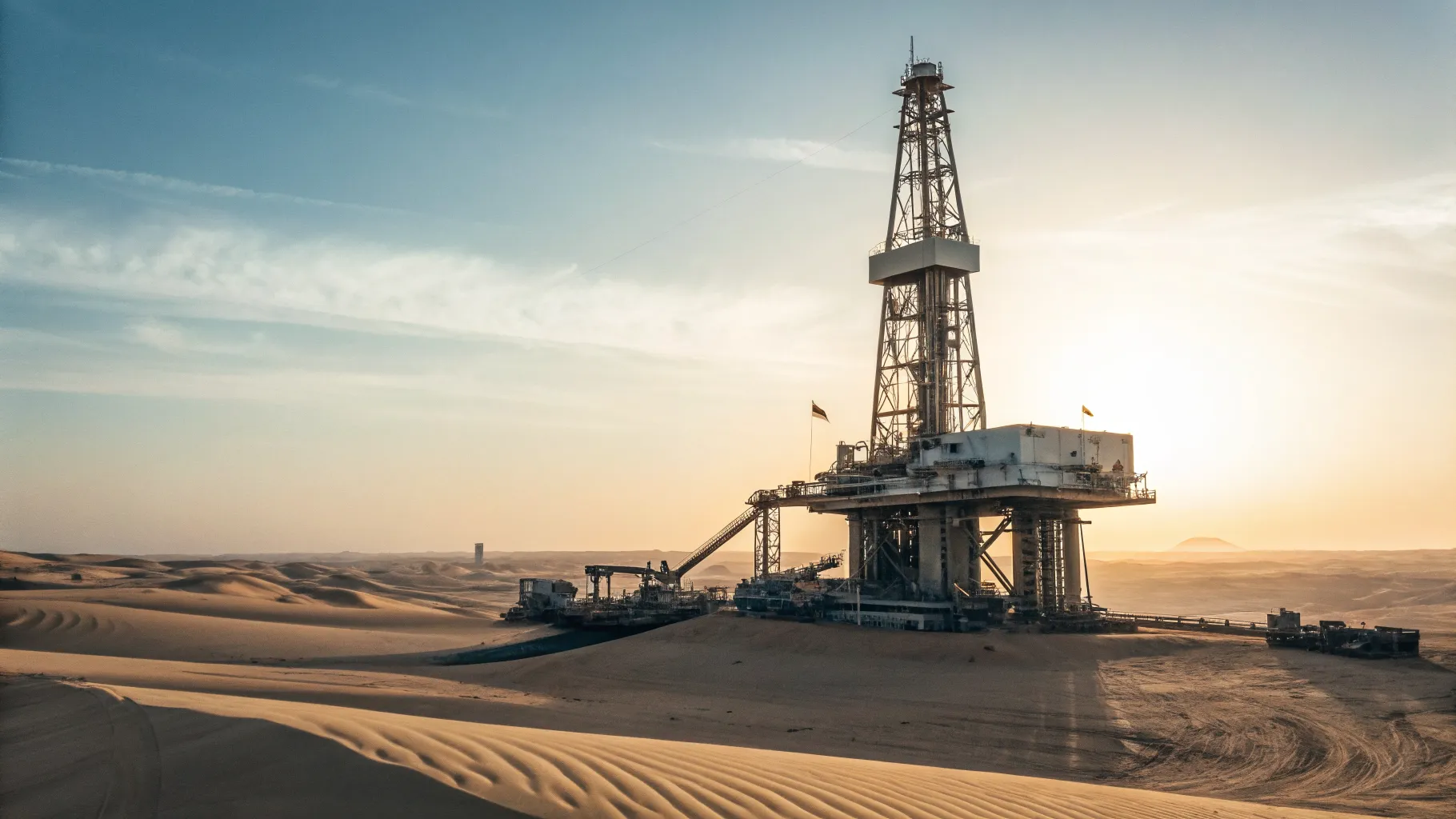
The United Arab Emirates will leave a decades-old oil producers’ consortium on May 1, ending a 59-year membership and clearing the way for higher crude output during one of the most volatile energy markets in years. The move signals a break from coordinated production targets and sets up a fresh test for global supply, prices, and energy diplomacy.
The decision lands as governments, traders, and consumers confront sharp swings in fuel costs. It also comes from a major exporter with significant spare capacity and ambitious growth plans for its national oil company. The exit could reshape alliances among producers and alter the balance of power in oil markets.
Why the Exit Matters Now
Producer alliances typically manage oil supply through quotas. These limits aim to keep prices stable and match output with demand. By stepping away, the UAE gains flexibility to pump more barrels, invest on its own schedule, and defend market share. That freedom could be valuable in a year marked by uneven global growth, shifting demand from Asia, and ongoing geopolitical risk.
“On May 1, the United Arab Emirates will end its a 59-year membership in the oil consortium, allowing it to raise output during one of the most volatile energy markets in years.”
The announcement highlights two goals: control over national production and the ability to respond quickly to market stress. More supply from a low-cost producer can pressure prices in the short term. But the long-term effect will depend on how other exporters react.
History and Recent Precedents
Producer groups have seen members suspend or end participation before. Past departures have reflected disagreements over quotas, domestic priorities, or shifts toward gas-focused strategies. In each case, the immediate impact on prices varied, but the broader pattern showed a tug-of-war between coordination and competition.
For the UAE, a 59-year run in coordinated output management suggests deep experience navigating boom-and-bust cycles. Leaving now signals confidence in its production base and project pipeline. It also suggests a belief that market share and investment timing matter more than group targets.
Market Impact and Scenarios
If the UAE raises output quickly, near-term supply could rise. That may ease price spikes tied to outages or conflict. It could also pressure higher-cost producers and prompt rival exporters to defend prices with new cuts. A slower increase would give the country time to test demand and limit friction with former partners.
- Short term: Added barrels could soften price volatility if demand holds steady.
- Medium term: Other producers may adjust targets to support prices.
- Long term: A shift toward competition could keep supply higher and prices more sensitive to demand shocks.
Diplomacy, Energy Policy, and Industry Response
Producer alliances are not only about barrels. They are about trust, communication, and predictable policy. The UAE’s move may prompt new bilateral talks among Gulf producers and large importers. Major buyers in Asia and Europe are likely to welcome extra supply but will watch for any retaliatory action by remaining members.
International oil companies and traders will factor in higher UAE capacity, faster project approvals, and changing freight patterns. Refiners could seek term deals with more flexible volumes and pricing. If the shift puts durable downward pressure on prices, investment in higher-cost fields elsewhere may slow.
Energy Transition and Investment Outlook
Higher output from efficient producers can change the pace of the energy transition. Cheaper crude can boost consumption but also strain investment cases for marginal oil projects and some alternatives. Policymakers will weigh consumer relief against climate targets. Investors will focus on cash flow, break-even costs, and the staying power of lower prices.
For the UAE, greater control may speed investment in both upstream oil and low-carbon projects tied to national strategies. The ability to set output without group limits could align production with domestic revenue needs and long-term diversification goals.
What to Watch Next
Markets will look for clear guidance on how fast and how much the UAE plans to increase supply. Any response from other producers will shape the price path through the summer. Shipping data, storage levels, and refinery runs will offer early clues about real-world impacts.
Key signals include forward price spreads, changes in official selling prices, and new supply agreements with major importers. Traders will also track outage risks and macro data to judge whether extra barrels meet steady demand or run into a slowdown.
The UAE’s exit marks a turning point for coordinated oil policy. It introduces more autonomy for a major exporter and injects new uncertainty into supply planning. The next few months will show whether this shift eases volatility or pushes others to draw sharper lines in a market already on edge.

Kirstie a technology news reporter at DevX. She reports on emerging technologies and startups waiting to skyrocket.