A witness identified as Achiam told a court that his view of Elon Musk shifted in the past year, marking a small but telling turn in a high-profile dispute. The exchange unfolded during questioning on Monday, when lawyers contrasted a prior public endorsement of Musk with a more cautious stance today. The courtroom moment highlighted how fast-changing events can reshape judgments about powerful figures.
At issue was a past social media post that praised Musk’s intentions. Under questioning, Achiam confirmed the timing and then described a loss of confidence after later developments. The hearing ended the session without further fireworks, but the exchange provided a snapshot of how sentiments can change as new facts emerge.
A Shift From Praise to Doubt
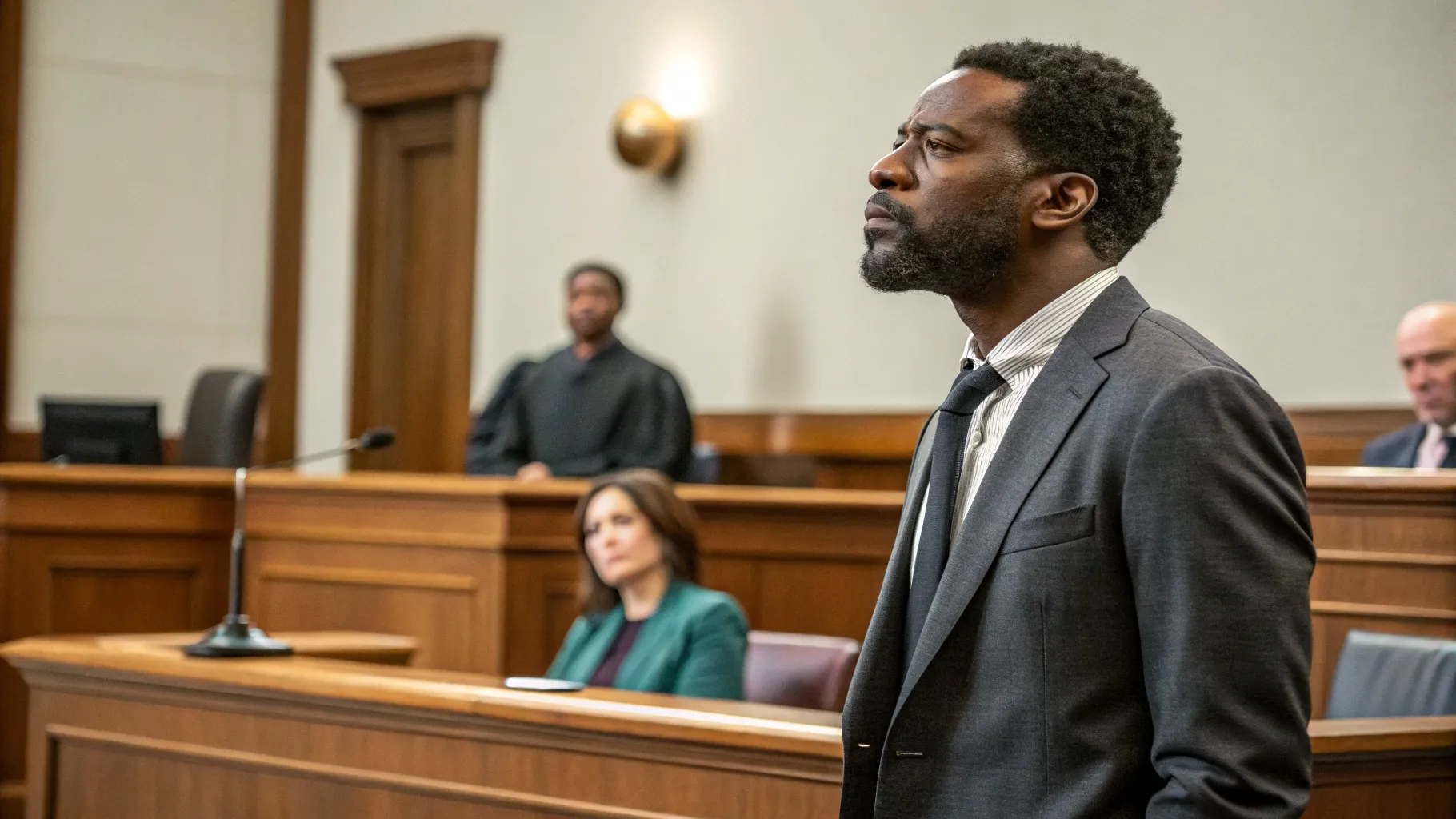
During testimony, counsel confronted Achiam with a post that said Musk was “doing his best for humanity.” Pressed for timing, the witness dated the statement to early 2025.
“January 2025,” Achiam said, confirming when he had expressed support.
The next question pushed on whether that view still stood. Achiam said it did not.
“He’s done some things that undermined my confidence since then,” the witness testified.
The exchange was brief, but it drew a clear line between past praise and current doubt. It also gave the court a timestamped reference to weigh credibility and consistency.
Context: Public Endorsements in Legal Settings
Public statements can carry weight in legal disputes. Courts often consider whether a person’s view has changed and why. When a witness has praised a party in the past, lawyers probe the reasons behind any shift. That can help a jury or judge assess reliability and bias.
Social media posts add a layer of complexity. They are fast, public, and often lack detail. Yet, once in the record, they provide a concrete marker. In this case, the timing—January 2025—served as an anchor point for questions about what happened later and why the witness reversed course.
What Prompted the Change
The testimony did not detail specific actions that led to the loss of confidence. Still, the phrasing suggested a turning point tied to events following the January post. That gap—between endorsement and doubt—will likely invite more questions in later sessions. Lawyers often use such moments to test memory, motive, and the strength of conclusions.
For a jury, the clarity of the timeline matters. Jurors weigh whether the change reflects new information, personal conflict, or shifting alliances. The answer can influence how they read other evidence and how much trust they place in a witness.
Legal and Public Perception Implications
High-profile figures often face split views shaped by new developments and constant media attention. A single supportive post can echo for months. A later reversal can do the same. In a courtroom, both are tools: one to show prior belief, the other to show evolution or inconsistency.
Such shifts can affect public perception outside court as well. Followers may see a witness’s change of heart as a sign that standards are being applied, or as a sign of pressure. Inside the courtroom, the standard is steadier: credibility is tested by time, detail, and supporting facts.
Key Points From the Exchange
- Achiam confirmed praising Musk’s intentions in January 2025.
- He now says later actions weakened that view.
- The court session closed after a short redirect, with no new exhibits introduced.
What Comes Next
The session ended after a short redirect, leaving open whether attorneys will return to the issue. If more evidence surfaces about the events that changed Achiam’s mind, the court could revisit the topic with added detail. Future testimony may focus on the specific actions that caused doubt, anchoring them to dates and documents.
For now, the record shows a witness who praised Musk at the start of 2025 and later stepped back. That difference could matter if the case turns on intent, trust, or consistency. The next hearings may test those themes with a tighter focus on facts, timelines, and corroboration.
The takeaway is simple: public endorsements can be powerful, but they are not fixed. As new actions come to light, witnesses—and juries—reassess. The court will watch for clarity on what changed and when.

Deanna Ritchie is a managing editor at DevX. She has a degree in English Literature. She has written 2000+ articles on getting out of debt and mastering your finances. She has edited over 60,000 articles in her life. She has a passion for helping writers inspire others through their words. Deanna has also been an editor at Entrepreneur Magazine and ReadWrite.