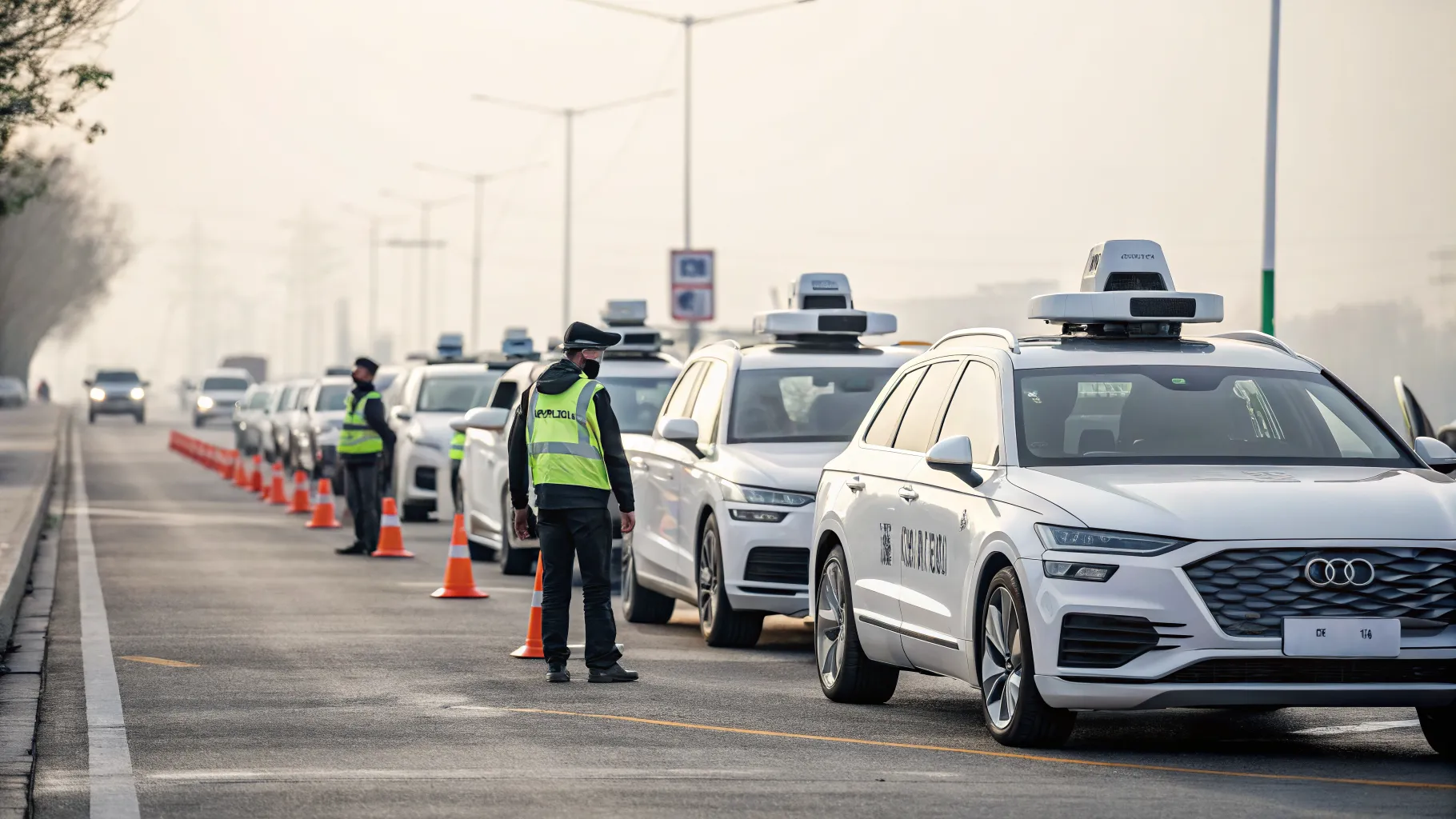
Waymo said it has expanded a temporary pause in operations, a move the company described as cautious as it evaluates safety and service impacts. The company did not specify the locations or timeline affected, but the decision signals fresh attention to risk management within autonomous ride-hailing.
The pause arrives as driverless services face heightened scrutiny from local and federal regulators. It also comes as cities weigh the benefits of on-demand driverless rides against concerns about traffic safety and emergency response.
Company Statement and Immediate Impact
A Waymo spokesperson said it had expanded the temporary pause “out of an abundance of caution.”
The company offered no further public details on the scope of the pause. There was no mention of how many vehicles, routes, or service zones would be affected, or when full operations might resume.
Waymo has grown its robotaxi service in recent years, operating in select parts of Arizona and California while testing in other markets. Any pause—temporary or broadened—can reshape rider habits and city traffic patterns, especially during peak times.
Safety Context and Regulatory Oversight
Autonomous vehicle programs operate under a patchwork of rules that vary by state and city. In California, state agencies regulate permits for testing and commercial rides. At the federal level, safety authorities can open investigations or request data if incidents occur.
Waymo and its peers publish safety updates and incident summaries to inform the public and satisfy oversight. Officials and researchers continue to debate how to measure safety in self-driving systems, from miles between incidents to how vehicles perform in rare or complex scenarios.
Local leaders often seek clear reporting on emergency interactions and roadwork detours. They also press companies for prompt incident disclosure and effective community engagement.
Rider Experience and City Response
Changes to driverless service can ripple through neighborhoods that rely on robotaxis for late-night trips or first-and-last-mile connections. Some riders use these services to reach transit hubs or to avoid driving after events.
Cities have balanced interest in new mobility options with calls for better data sharing on near-miss events, disabled vehicle procedures, and traffic flow during special events. A temporary pause can give agencies time to review operating plans and align on response protocols.
Industry Implications
Temporary pauses are not unusual in advanced technology rollouts. Companies often use them to validate software changes, retrain models, or refine remote assistance procedures.
Analysts say brief service interruptions can protect public trust if paired with clear communication. Extended pauses can raise questions about scalability, unit economics, and the pace of expansion into new markets.
- Short-term effects: fewer ride options and possible price shifts in competing services.
- Medium-term effects: updated safety processes and refined operating domains.
- Long-term effects: clearer regulatory standards and better public reporting.
What Experts Are Watching
Transportation researchers point to three areas to monitor. First is transparency around the pause: what triggered it and how the company will measure readiness to resume. Second is coordination with city and state agencies on incident reporting and data access. Third is any software updates or training changes rolled out fleetwide.
Insurance and risk specialists also note that consistent incident taxonomy—how events are classified—helps compare performance across markets and over time. Clear definitions aid both regulators and the public.
What Comes Next
The next update from Waymo will be key. Observers will look for details on affected zones, lessons learned, and any new safeguards. City transportation departments may also brief the public on coordination steps and emergency response planning.
For riders, alternatives remain available through conventional ride-hailing and transit, though wait times and costs can shift if driverless fleets scale back. For policymakers, the pause offers space to revisit data-sharing agreements and testing thresholds.
Waymo’s decision highlights the central trade-off in autonomous mobility: expand service quickly or move incrementally while refining safety systems. The outcome will shape public confidence and set a tone for future deployments.
As the company reviews operations, the road ahead depends on clear communication, measurable safety goals, and cooperation with regulators. Watch for a detailed resumption plan, stronger incident reporting, and defined criteria for expanding service areas.

Kirstie a technology news reporter at DevX. She reports on emerging technologies and startups waiting to skyrocket.