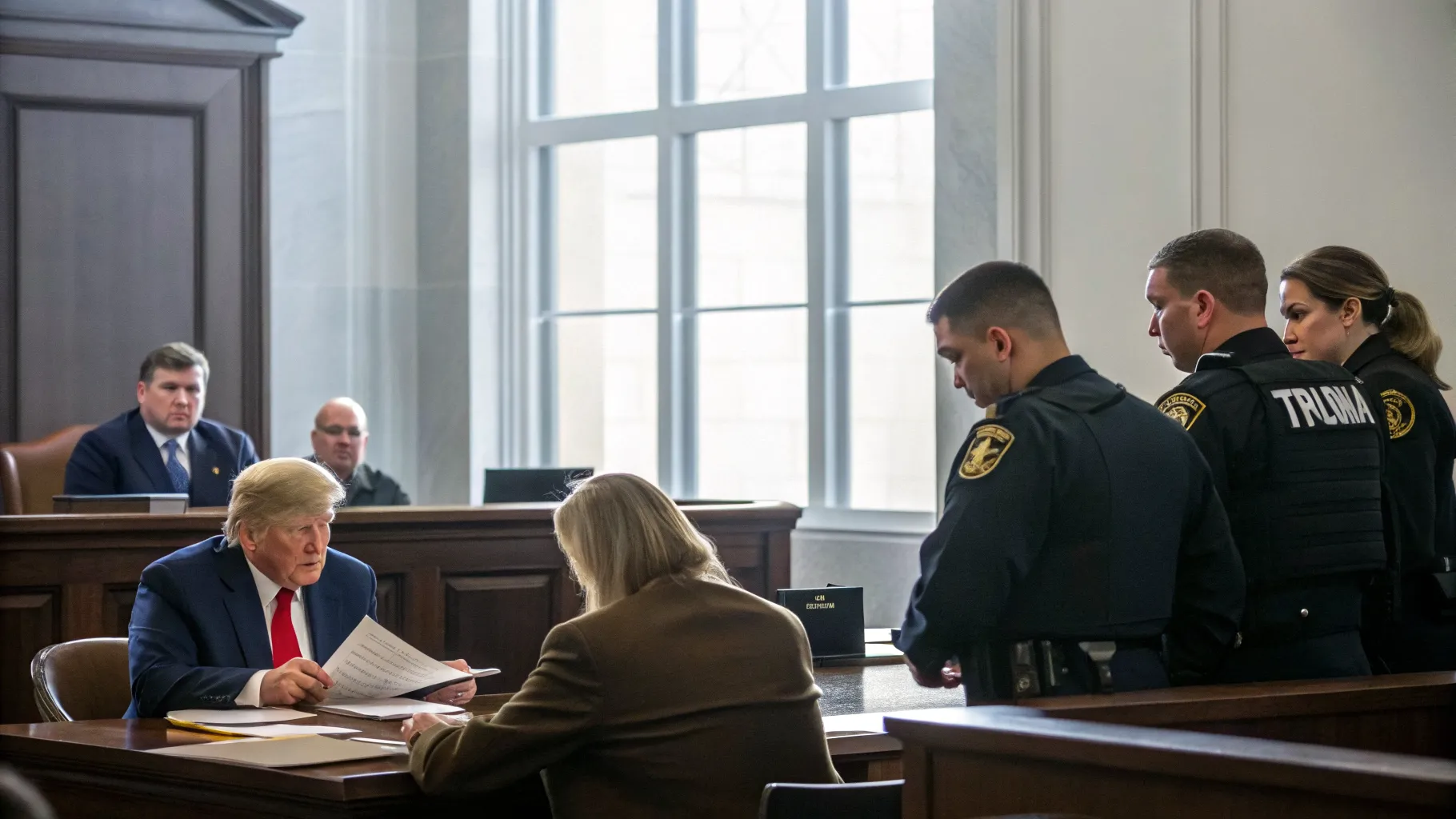
The Trump administration is escalating efforts to identify the people behind anonymous social media accounts, turning to grand jury subpoenas to obtain user information from technology platforms. The push, described by legal observers as broader and more aggressive than past requests, raises fresh questions about free speech, privacy rights, and the limits of government power.
Officials say the move targets threats, criminal activity, and leaks that could harm national security. Civil liberties groups warn it could chill lawful criticism and whistleblowing. Technology companies are bracing for more legal battles over what they must disclose and when.
What the Subpoenas Seek
Grand jury subpoenas can compel companies to turn over records, such as IP addresses, login times, and data that could link an anonymous handle to a real person. The orders are typically sealed, and recipients often cannot discuss them publicly under gag orders.
“In seeking identities of those behind anonymous social media posts, the Trump administration is intensifying its pursuit using grand jury subpoenas.”
People familiar with recent activity describe inquiries that cover a range of posts, from alleged threats to disclosures of sensitive information. Some requests appear to sweep in multiple accounts connected by shared devices or networks.
Legal and Historical Context
Anonymous speech has a long history in the United States, protected under the First Amendment when it involves lawful expression. Courts have set tests to balance that protection against evidence of crime or defamation. Judges often require the government or a private party to show a solid factual basis before unmasking an anonymous speaker.
The Stored Communications Act governs much of what platforms can share and what the government can compel. Grand jury proceedings operate in secrecy, limiting what targets and the public learn until charges appear, if they ever do.
Past clashes show the stakes. In 2017, the government sought to identify a Twitter account that criticized immigration policy; the request was withdrawn after a legal challenge. Similar disputes have played out with Facebook and Reddit over protests and leak investigations. These cases reflect a steady rise in efforts to pierce online anonymity.
Civil Liberties Concerns
Advocates argue that broader use of subpoenas could deter people from speaking out. They say many anonymous accounts share policy critiques, workplace concerns, or satire that is squarely protected.
Free speech lawyers point to Supreme Court precedent that shields anonymous association and expression, warning that sweeping requests risk ensnaring lawful speech. They emphasize the need for narrow tailoring and judicial oversight.
Supporters of the push say anonymity can also hide harassment, threats, and coordinated disinformation. They argue that subpoenas are a standard tool to link harmful conduct to real-world actors, and that judges can quash overreach.
How Platforms Are Responding
Major platforms maintain policies to review and challenge government demands they view as overbroad. Some notify users when allowed, giving a chance to contest in court. Others publish transparency reports with aggregate data about requests received and complied with.
- Companies can ask courts to narrow or void a subpoena.
- Users may seek to quash an order that threatens lawful anonymity.
- Gag orders can block notice, limiting user recourse.
Technology firms face a tight line: comply with lawful orders, yet defend speech and privacy. Their choices influence how much anonymity remains viable online.
What the Law Requires
Prosecutors typically must show relevance to a grand jury inquiry, but they do not need the higher standards used for search warrants. Courts sometimes apply additional tests before unmasking speakers, weighing the strength of the evidence against the speech interest at stake. These standards vary by jurisdiction, leaving uneven protection across the country.
What Comes Next
Legal experts expect more court fights over the scope of these subpoenas. Judges may set clearer thresholds for when the government can identify an account tied to political speech versus alleged crime.
Key factors to watch include whether courts require detailed showings of harm, how often platforms succeed in narrowing demands, and the frequency of gag orders that block user notice. Congress could also revisit the Stored Communications Act to clarify rules shaped in the dial-up era but applied to modern social media.
The drive to unmask anonymous accounts is likely to continue as online speech grows in reach and impact. The outcome will shape how people criticize leaders, share sensitive experiences, and report wrongdoing without fear of exposure.

Deanna Ritchie is a managing editor at DevX. She has a degree in English Literature. She has written 2000+ articles on getting out of debt and mastering your finances. She has edited over 60,000 articles in her life. She has a passion for helping writers inspire others through their words. Deanna has also been an editor at Entrepreneur Magazine and ReadWrite.