SK Hynix surged into the ranks of the world’s most valuable companies this week, crossing the $1 trillion mark as investors bet on the next wave of artificial intelligence hardware. The Seoul-based chipmaker’s rise comes amid a powerful rally in semiconductor shares, fueled by demand for memory used in AI data centers.
“SK Hynix became one of the few companies in the world with a $1 trillion market cap this week, as a global AI boom propels chip stocks to record levels.”
The move places the firm among a small set of trillion-dollar names and highlights how AI spending is reshaping capital markets. Traders point to strong orders for advanced memory and supply tightness as near-term drivers. Long-term questions center on capacity, pricing, and whether AI spending can keep its rapid pace.
Background: From Memory Cycles to AI Demand
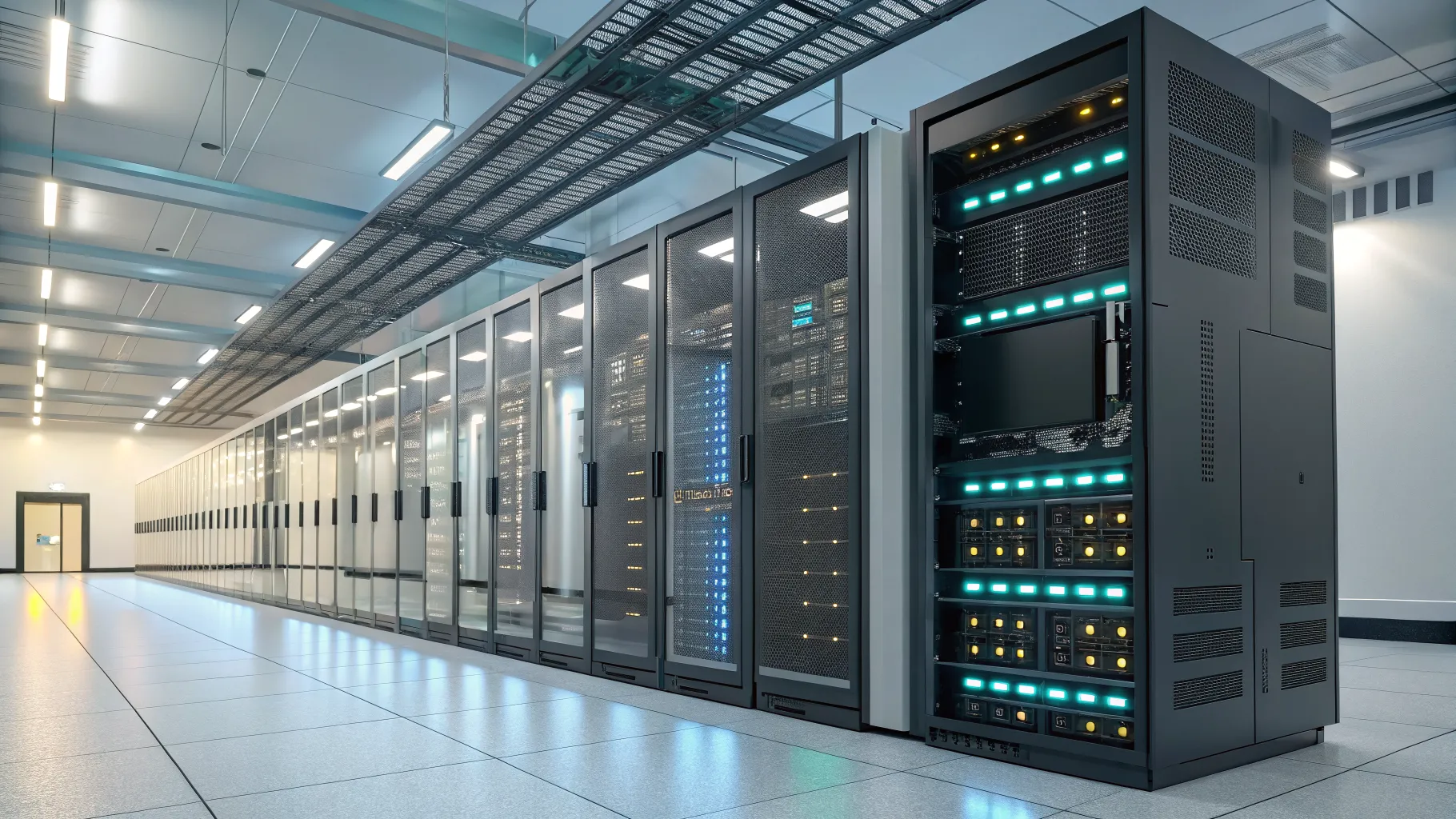
SK Hynix is one of the largest makers of dynamic random-access memory and flash storage. These chips are essential for smartphones, PCs, servers, and now AI systems. A new class of high-bandwidth memory, or HBM, has become vital for training and running large AI models. This type of memory moves data at high speed while keeping energy use in check.
The company spent years navigating sharp booms and busts in memory prices. AI has changed that rhythm. Cloud providers and device makers are racing to add compute and memory for AI workloads. The result is strong orders for premium memory parts and a tighter market for advanced products.
Investors have rewarded firms that can supply these parts at scale. Share prices across the sector have climbed as buyers sign multi-quarter commitments and production ramps up to meet demand.
What Is Powering the Rally
Several forces are pushing chip stocks higher. Demand for AI servers has grown fast, while supply of the newest memory remains limited. At the same time, firms are improving yields and adding capacity in a careful way to avoid flooding the market.
- AI buildouts: Cloud and enterprise customers are expanding data centers to run large models.
- Product mix: Higher-value memory, including HBM, lifts revenue per unit.
- Supply discipline: Gradual capacity growth helps support pricing.
- Ecosystem pull: Demand comes from chips, servers, and software rising together.
Analysts say the shift is not only about more chips, but also different chips. Premium memory now sits at the center of system design for AI accelerators. That gives suppliers with proven technology and scale an edge.
Implications for Industry and Markets
Joining the trillion-dollar tier signals how core memory has become to the AI stack. It also raises the stakes for rivals in South Korea, Taiwan, the United States, and Japan that are investing to catch up in advanced memory.
For equity markets, the milestone shows how concentrated gains have been in technology. A handful of companies now account for a large slice of global market value. That concentration can magnify swings if expectations change.
There are risks. Memory remains cyclical. A rapid capacity build could pressure prices. Supply chain shifts and trade rules may affect equipment access and export routes. Funding costs and currency moves also matter for capital spending plans.
What to Watch Next
Investors will track production targets for premium memory and any signs of easing supply tightness. Order visibility from cloud providers is another key signal. Many will look for evidence that AI workloads are spreading from training into broader deployment, which would support steady demand.
Executives across the sector have emphasized disciplined expansion and close work with customers to time new capacity. Any change in that posture could ripple through pricing and margins. On the demand side, the pace of model upgrades and new AI-enabled services will shape buying patterns.
SK Hynix’s new valuation highlights the center stage that memory holds in the AI race. The company now faces the task of delivering at scale while protecting profitability. The next few quarters will show whether supply can meet demand without erasing price gains. If AI spending remains strong, the firm’s position near the top of the market may endure. If not, volatility could return just as fast as it left.

Deanna Ritchie is a managing editor at DevX. She has a degree in English Literature. She has written 2000+ articles on getting out of debt and mastering your finances. She has edited over 60,000 articles in her life. She has a passion for helping writers inspire others through their words. Deanna has also been an editor at Entrepreneur Magazine and ReadWrite.