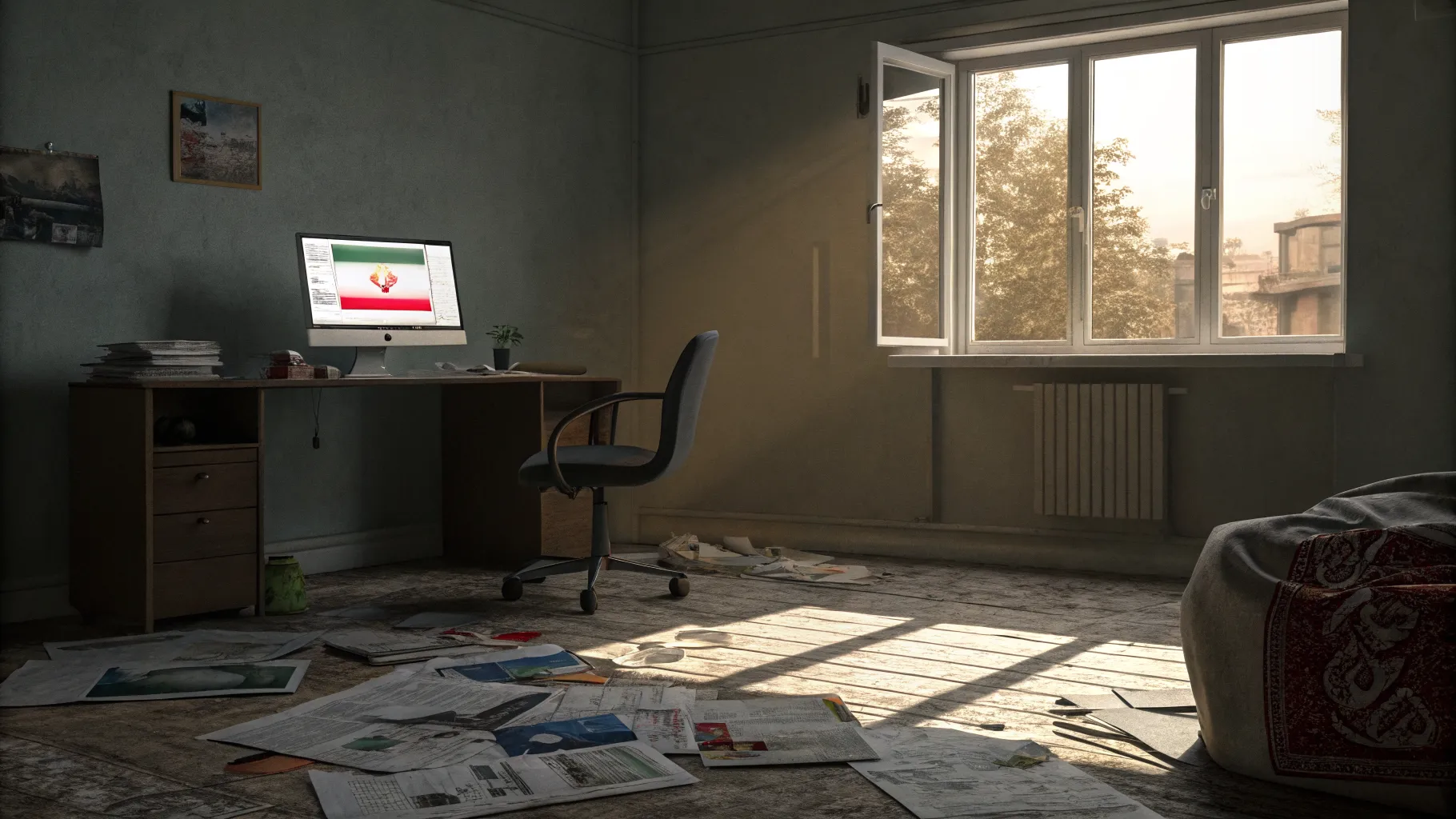
Iran’s government moved to tighten control over information in February, imposing a sweeping internet blackout after the start of fighting with the United States and Israel. The move, described by one person inside the country as cutting “most Iranians off from the outside world,” has disrupted daily life, businesses, and access to news. Officials have framed the shutdown as a national security step during wartime, while rights groups warn of long-term harm to civil society and the economy.
“The government imposed the blackout after the start of the war with the US and Israel in February, cutting most Iranians off from the outside world.”
Why the Blackout Matters
Internet shutdowns are a common tool during conflict and unrest. They limit the flow of information, slow the spread of rumors, and make it harder for opponents to organize. They also block firsthand images and accounts that might shape international opinion. In past crises, authorities in several countries have used broad or targeted blocks on social media, messaging apps, or entire networks.
Iran has used information controls before, including throttling and platform bans during protests. This time, the blackout is described as wider and longer, with large parts of the country losing reliable access for weeks. Workarounds exist, but many are difficult or costly to use at scale under heavy filtering and signal interference.
Impact on Daily Life and the Economy
Businesses that depend on online sales and payments report stalled orders and delayed shipments. Small retailers, freelancers, and software firms face steep losses without stable connectivity. Students and researchers cannot reach learning platforms and journals. Families struggle to stay in touch with relatives abroad.
- Supply chains slow when logistics tools fail.
- Hospitals and clinics may lose access to remote consultations.
- Journalists and aid groups face barriers to verification and response.
Past cases show that shutdowns can drain millions of dollars from an economy each day, according to digital rights and economic analysts. The exact cost in Iran depends on the breadth of the block, the duration, and the sectors affected. Early signs suggest a deep hit to services, trade, and tourism-related activity.
Security Goals and Government Messaging
Officials typically justify shutdowns as a way to protect troops, conceal sensitive movements, and prevent hostile powers from using social media for psychological operations. Supporters of the blackout argue that wartime requires strict control over communications to save lives. They point to the risk of coordinated cyberattacks and the spread of false reports that can spark panic.
Critics counter that cutting access also blinds emergency responders and reduces public trust. They say narrow, targeted measures are more effective than blanket blocks. Without independent oversight, the line between security and censorship can blur, leaving little recourse for citizens and businesses harmed by the shutdown.
Regional and International Response
Neighboring countries are watching for spillover effects, including refugee flows, trade disruptions, and cyber incidents. Global technology firms and internet infrastructure providers face pressure to maintain services while respecting local laws and international norms. Rights organizations have called for time-bound, transparent criteria for any restrictions and for rapid restoration of access as conditions allow.
Diplomatic channels may press for limited corridors of connectivity for humanitarian use. These can include exemptions for hospitals, independent media, and relief agencies, using satellite links or dedicated lines. Such measures have been used elsewhere during conflicts to keep essential services running.
What to Watch Next
The duration and scope of the blackout will shape its long-term impact. If restrictions ease in phases, mobile data and social media platforms may return first, followed by full broadband. If the shutdown hardens, users will likely turn to satellite devices and offline tools, raising new regulatory and security questions.
Analysts will track three signals: the pace of service restoration, the clarity of government guidelines, and the resilience of businesses adapting to low-connectivity operations. Any credible, independently verified data on nationwide access rates will help gauge progress.
The blackout marks a decisive turn in Iran’s wartime posture and information policy. It has delivered short-term control but at a steep social and economic cost. The key test now is whether officials can meet security goals while restoring core services. The next weeks will reveal if limited access corridors and clear timelines can ease strain on families, classrooms, and firms. If not, the damage to public trust and growth may outlast the fighting.

A seasoned technology executive with a proven record of developing and executing innovative strategies to scale high-growth SaaS platforms and enterprise solutions. As a hands-on CTO and systems architect, he combines technical excellence with visionary leadership to drive organizational success.