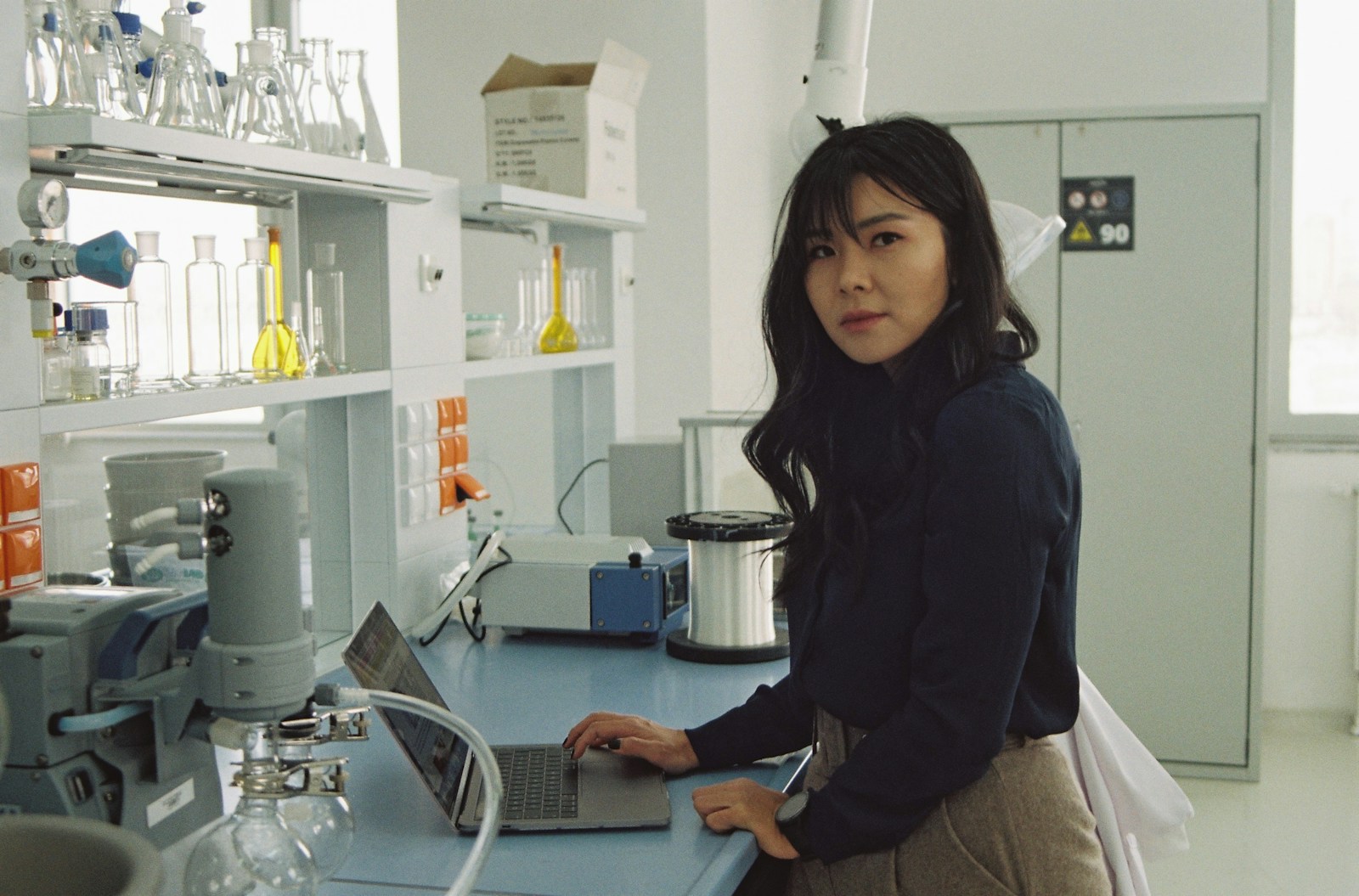
Despite challenging conditions that include dealing with scavengers, unpleasant odors, and working alongside human remains, a growing number of professionals—predominantly women—are finding fulfillment in careers related to death investigation and forensic science.
The field of death investigation, which includes forensic pathology, mortuary science, and crime scene analysis, has seen a significant shift in its demographic makeup over the past two decades. What was once a male-dominated profession has transformed into one where women now make up the majority of new entrants in many specialties.
The Daily Realities of Death Work
Those who work in this field face unique challenges that most professionals never encounter. They must manage the practical difficulties of protecting remains from animal scavengers who can compromise evidence. The work also involves exposure to decomposition odors that many find overwhelming. Perhaps most significantly, these professionals spend their days examining, analyzing, and processing human remains—something that requires both technical skill and emotional resilience.
Despite these challenges—or perhaps because of them—many practitioners report high job satisfaction. The work offers a combination of scientific investigation, public service, and the opportunity to provide answers to families during their most difficult moments.
Female Professionals Leading the Field
The notable gender shift in death-related professions has caught the attention of researchers and industry veterans alike. Women now represent more than 70 percent of mortuary science students in the United States, according to recent educational statistics. Similar trends are visible in forensic anthropology and death investigation programs.
Dr. Katherine Ramsland, a forensic psychology professor who has studied this demographic shift, notes: “Women often bring strong communication skills and emotional intelligence to these roles, which proves valuable when working with grieving families. They also frequently demonstrate meticulous attention to detail, which is essential in forensic work.”
The reasons behind women’s attraction to these careers include:
- Interest in scientific problem-solving with practical applications
- Desire for meaningful work that helps families find closure
- Appreciation for careers that combine analytical thinking with compassion
Changing Professional Culture
The influx of women has transformed workplace cultures within these fields. Morgues, funeral homes, and forensic labs have adapted their practices and environments to accommodate more diverse workforces.
“When I started 30 years ago, I was often the only woman at crime scenes or in the autopsy room,” says Maria Gonzalez, a veteran medical examiner. “Today, I’m frequently working with teams that are mostly female. The profession has changed dramatically, and for the better.”
This shift mirrors broader changes in other scientific and medical fields, where women have increasingly gained representation in what were traditionally male-dominated spaces.
The Appeal of Difficult Work
What draws people—particularly women—to careers that many would find disturbing? Interviews with professionals suggest the work offers intellectual challenges, the satisfaction of serving communities in crisis, and the opportunity to apply scientific knowledge in meaningful ways.
“This job isn’t for everyone,” explains forensic anthropologist Sarah Williams. “But for those of us who do it, there’s something profound about being able to speak for those who can no longer speak for themselves. We provide answers, closure, and sometimes justice. That makes the difficult aspects worthwhile.”
The growing interest in these careers also reflects changing attitudes toward death and mortality in society. As death becomes less taboo as a topic of discussion, more people are willing to consider careers that engage directly with it.
While the challenges remain significant—from the physical demands to the emotional toll—the women leading these fields are redefining professional standards and proving that the most difficult work often attracts the most dedicated professionals.

Rashan Dixon is the founder and CEO of DevX, a technology media and education company covering software development, programming languages, artificial intelligence, and emerging technologies. He is also the founder and CEO of Techincon, a technology consulting business focused on technology implementation, analytics, and emerging technology trends.
Rashan brings nearly three decades of experience across enterprise technology, business systems, and consulting. He served as a Senior Business Systems Analyst at Microsoft from 2011 to 2026, following earlier experience as a Systems Analyst and Business Advisor at Kronos Incorporated. These roles inform his practical perspective on the opportunities and operational challenges of adopting new technology.
At DevX, Rashan connects enterprise technology experience with accessible coverage for developers, entrepreneurs, and business decision-makers. His areas of interest include software engineering, AI, technology strategy, digital transformation, and the intersection of emerging tools and business outcomes.