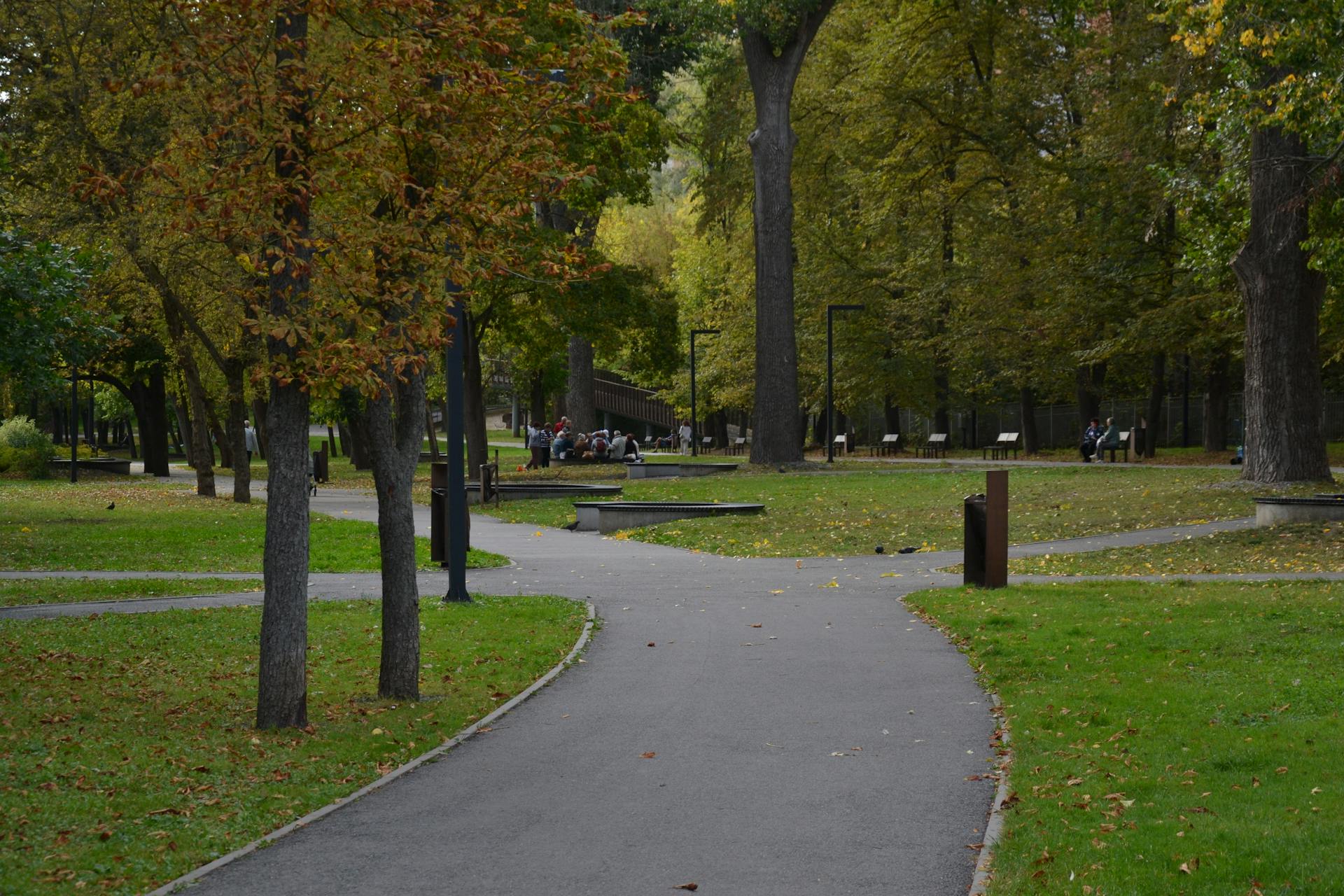
A city park’s new robotic lawn mower is sharing space with flocks of migrating birds and waves of rowdy tourists, raising fresh questions about safety and oversight. The device, described by onlookers as a Roomba-like grass clipper, is part of a groundskeeping trial this week in a busy urban green. City staff say it could save labor and reduce noise. Visitors wonder if it can safely operate amid crowds and wildlife.
The small, battery-powered mower is designed to trim grass on a set schedule. It navigates within a mapped zone, utilizing sensors to avoid obstacles. On a bright afternoon, it traced smooth laps near picnic blankets and a shallow pond as gulls landed and children chased a soccer ball. The scene looked orderly until a surge of visitors cut across its path, and a flock touched down on the lawn.
“Rowdy tourists and migrating birds share a park with a Roomba-like grass clipper. What could possibly go wrong?”
Why the Park Is Testing Automation
City officials have pushed for quieter, cleaner equipment in public spaces. Electric mowers reduce emissions and can operate during hours that disturb fewer people. Grounds crews also face staffing gaps in peak season. A self-driving unit promises steady trimming and fewer manual passes.
Public parks are complex settings, though. Foot traffic is unpredictable. Wildlife behavior changes with the seasons and throughout the day. A machine that performs well on a calm morning may face hazards by mid-afternoon. The trial aims to assess how the mower performs in real-world scenarios without posing a risk to people or animals.
Safety Concerns Meet Real-World Conditions
Park staff say the device is fitted with bump sensors and a stop switch. If it meets an obstacle, it pauses and reroutes. It also relies on geofencing to stay within its assigned area. Still, visitors worry about what happens when a crowd presses in or a bird stands too still.
Parents paused near the play area to watch its path. A few stepped between the mower and a wandering toddler. A groundskeeper walked several paces behind, glancing up as a dog on a long leash crossed the grass. The operator confirmed the unit can be shut down from a phone if needed.
- Obstacle detection can cause the unit to slow down or stop.
- Geofencing keeps it inside marked zones.
- Manual overrides allow instant shutdowns.
None of these measures eliminates the need for judgment calls. Staff must decide where and when the machine runs. Clear signage may help visitors understand what the device will and won’t do.
Wildlife and the Mowing Schedule
The migrating birds added a layer of risk. Flocks clustered where insects were active and the grass was shortest. That put the mower’s path near birds that were resting or feeding. Wildlife advocates often suggest timing maintenance around migration windows. Early mornings or late evenings may reduce the frequency of interactions.
Staff on site said they were tracking bird activity and adjusting routes. They steered the unit away from the pond edge and paused it during a dense landing. Those small changes prevented close calls, but they also reduced the mower’s coverage for the day.
Visitor Experience and Public Trust
For some tourists, the robot was an attraction. Phones came out as it hummed past. Others complained about a machine weaving near blankets and strollers. Public trust will hinge on a record of safe operation and quick response when conditions shift.
Several visitors said they wanted clearer markings around operating zones and more notice about run times. A simple board at the park entrance could show when the mower is active and what areas are affected.
What Comes Next
The trial highlights both promise and trade-offs. The mower cuts quietly and consistently. It reduces exposure to fumes for workers and parkgoers. Yet dynamic spaces require live supervision, wildlife planning, and clear public guidance. The question is not whether the technology works, but where and how it is used.
If the city proceeds, it will likely fine-tune schedules, add signage, and keep staff nearby during peak hours. It may also set seasonal rules for routes during migration periods. Success will be measured by fewer complaints, no incidents, and lawns that stay trimmed without disrupting park life.
For now, the little mower keeps making its rounds. Staff watch, birds move, and tourists stream past. The test will show whether automation can coexist with a crowded urban park, or whether the grass is better left to human hands during the busiest days.
Featured Image Credit: Photo by Иван Петров; Pexels

Rashan is a seasoned technology journalist and visionary leader serving as the Editor-in-Chief of DevX.com, a leading online publication focused on software development, programming languages, and emerging technologies. With his deep expertise in the tech industry and her passion for empowering developers, Rashan has transformed DevX.com into a vibrant hub of knowledge and innovation. Reach out to Rashan at [email protected]