The smooth operation of modern information technology systems is critical to the prosperity and continuation of every business. Unexpected upheavals have a disastrous impact on any business’s operations. Coordinated corporate systems understand the need for a strong business continuity strategy to sustain operational resilience. Implementing Managed IT Services is one of the most successful approaches to ensuring your organization is ready for setbacks. This article will discuss the key role of managed IT in business continuity and data recovery.
Disaster Recovery: What You Need to Know
Disaster recovery is reinstating key IT data, systems, and tools when an unexpected event occurs. Managed IT support includes multiple technological advancements that help organizations restore their operational capabilities after unforeseen events.
Managed IT services enable business organizations to design and implement disaster recovery plans that outline the necessary procedures for recovering IT systems and restoring operational activities after system disruptions. The disaster recovery solutions of Managed IT cybersecurity services include cloud-based data storage systems and rapid recovery protocols.
Businesses that keep backups in safe, remote locations can swiftly recover data and restart their everyday operations following a disruption. Using managed IT in disaster recovery significantly reduces turnaround times for a business compared to those depending on in-house options.
How Managed IT Supports Disaster Recovery
Managed IT is the pillar of current businesses, and disaster recovery profoundly depends on strong IT structure and etiquette. Managed IT supports disaster recovery by offering;
1. Data Backup and Recovery
Managed IT aids in enacting safe backup systems that generate duplicates of essential data and applications, permitting rapid data recovery whenever data is lost.
2. Availability and Redundancy
Superfluous systems and high-availability formations from managed IT guarantee that vital cybersecurity services remain functional even when one constituent fails to work.
3. Cloud Solutions and Virtualization
Managed IT offers cloud-based services and virtualization technologies, enabling businesses to recover and reinstate data systems swiftly without being tied to any physical setup.
4. Maintenance and Testing
Managed IT offers regular testing of data recovery plans and IT systems to recognize any susceptibilities and ensure effective and successful recovery if a disaster occurs.
The Role of Managed IT in Business Continuity
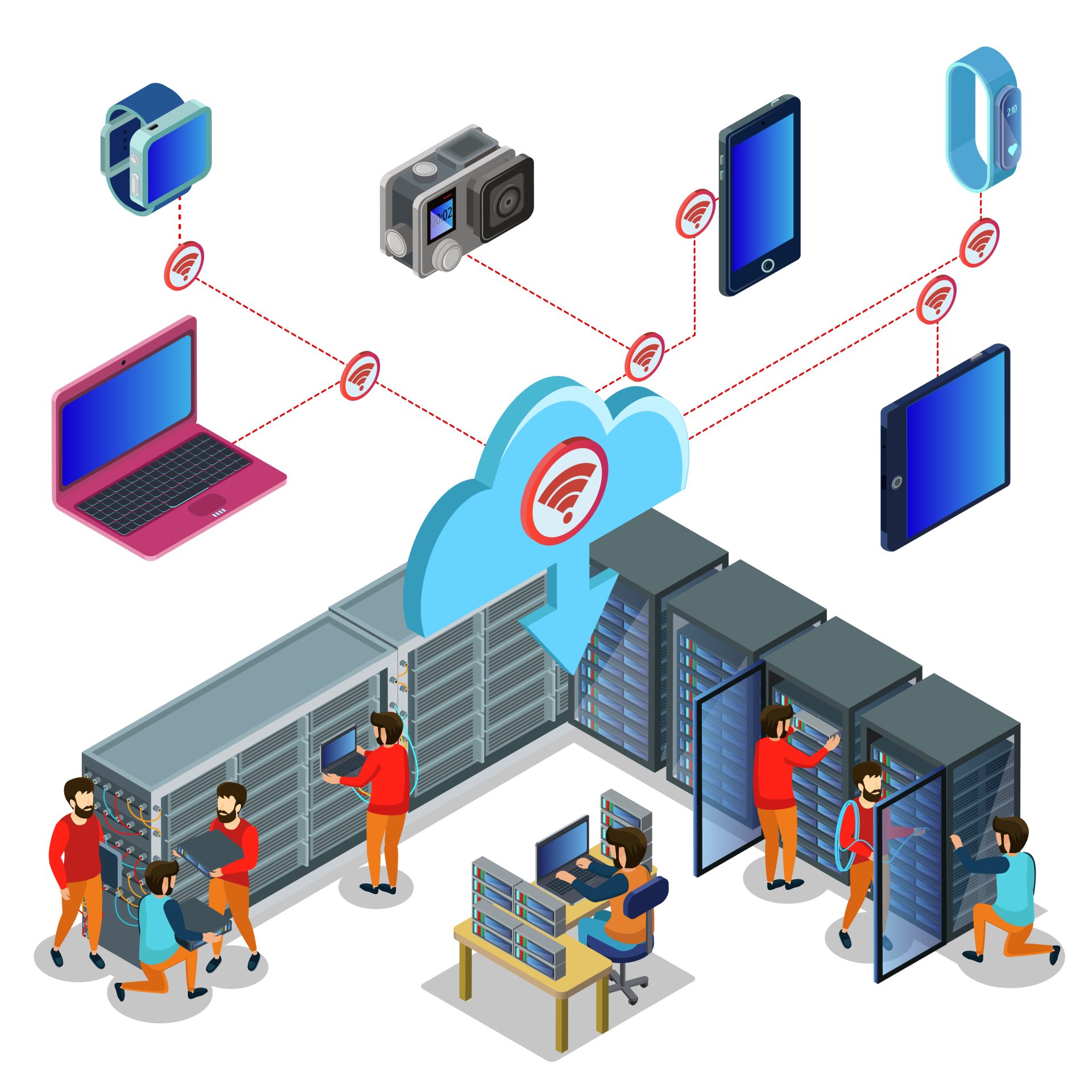
While data recovery concentrates on repossessing vital information after a disaster, business continuity stresses positive measures of maintaining business processes in case of any interruption. The role of Managed IT in business continuity includes;
- Remote access and outworking – Managed IT-enabled remote access to essential data and applications, allowing workers to work from alternate settings in case of a disaster.
- Disaster endurance – Managed IT has crisis-resistant systems that can endure interruptions, enabling the unceasing flow of operations without security compromises.
- Real-time connections – Managed IT engages vital collaboration and communication tools to enable real-time connections among workers, customers, and investors in case of emergencies.
- Training – Managed IT plays a vital role in training staff to follow the set protocols of business continuity and enlightening them on the probable threats and risks.
Key Benefits of Managed IT in Disaster Recovery and Business Continuity
Integrating managed IT services and cloud-based solutions into data recovery plans and business continuity is critical for businesses seeking to weather natural tragedies efficiently. Key benefits of Managed IT in disaster recovery and business continuity include;
1. Faster Response Times and Minimized Downtime
Managed IT solutions guarantee swift response times, thus lessening any interruptions in case of natural calamities. This swift response is vital for maintaining corporate processes and client confidence.
2. Cost Efficiency
Using Managed IT solutions enables businesses to eliminate the need for expensive IT infrastructure. This cost efficiency enables corporations to distribute their resources effectively.
3. Scalability
Managed IT provides elasticity and flexibility solutions, enabling businesses to scale their data recovery efforts and their precise requirements. This scalability is vital for corporations of all sizes.
4. Improved Security
Innovative security measures offered by Managed IT solutions help safeguard critical data during the recovery and backup processes, thus protecting delicate data from losses and breaches.
5. Business Continuity and Resiliency
With Managed IT experts handling data recovery, businesses can concentrate on their main daily operations without fear of any possible failures or unexpected interruptions.
Conclusion
In today’s networked and technologically driven corporate world, managed IT is one critical infrastructure for disaster recovery and business continuity. A carefully planned and frequently tested Managed IT-driven disaster recovery and business continuity approach lessens disasters’ adverse impact, protects essential systems and data, and maintains smooth business processes even under difficult conditions. Cyber Husky is always available to advise you on the most suitable managed IT technology to employ. We aim to offer the most value to your business.
Featured Image Credit: Photo by Field Engineer; Pexels
Internal Image Credit: rawpixel.com and macrovector; Freepik

Rashan is a seasoned technology journalist and visionary leader serving as the Editor-in-Chief of DevX.com, a leading online publication focused on software development, programming languages, and emerging technologies. With his deep expertise in the tech industry and her passion for empowering developers, Rashan has transformed DevX.com into a vibrant hub of knowledge and innovation. Reach out to Rashan at [email protected]