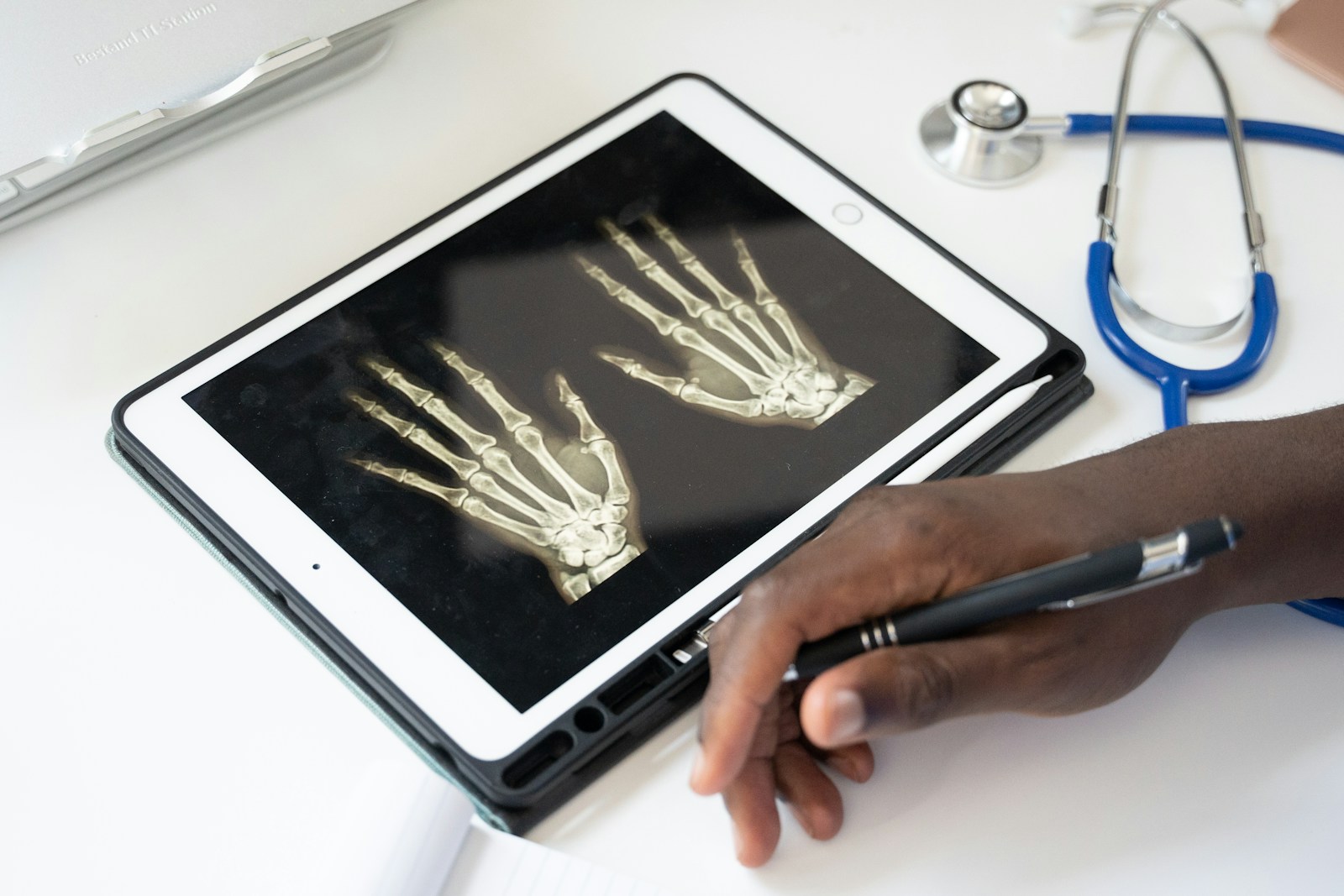
Advances in healthcare technology have caused monumental advances in the quality of healthcare services. However, digital tools have helped improve more than just the services themselves. Today, technology is also reshaping how patients access healthcare services, making them more equitable, efficient, and accessible than ever before.
From telemedicine tools that allow patients to meet with their doctors remotely to wearable devices that help patients and providers alike monitor health conditions in real-time, the spectrum of digital tools currently revolutionizing the healthcare industry is broad. The article reviews seven such ways in which digital tools are reshaping access to healthcare and, in turn, making healthcare services easier for both patients and providers alike
1. Centralizing Care Through Electronic Health Records
Among the most critical elements powering advances in digital healthcare is electronic health records, or EHR for short. These digital records ensure that patient data is centralized and easily accessible to providers while also including strong safeguards to keep it private and secure. Electronic health records are crucial in enhancing continuity of care as they allow the provider to review comprehensive patient history, lab results, and previous treatments easily and instantaneously. This helps increase the efficiency and quality of other digital services, such as telemedicine, and helps eliminate the potential for dangerous medical errors.
2. Expanding Access with Telemedicine
Speaking of telemedicine, the ability to empower patients to virtually meet with doctors has been a game-changer in expanding access to healthcare. This is particularly true for patients in rural or underserved areas where nearby doctors may be in short supply. Through consultations with doctors online on such telehealth platforms, patients avoid time-wasting travel and can access healthcare advice from the comfort of their homes. It also permits patients to meet with virtually any doctor they wish to, regardless of the geographic location, thereby giving the patient access to certain specialist physicians that may not be available in their area.
3. Reaching Underserved Populations Through Mobile Health Apps
Mobile health apps have gone a long way toward making healthcare more accessible. Thanks to these apps, patients can now access information, schedule appointments, and have virtual consultations right from their smartphones. In addition to this, mobile health apps offer user-friendly interfaces and multi-lingual support to help overcome language and literacy barriers. Many apps also offer free or low-cost services like symptom checkers, mental health support, and chronic condition management tools. This combination of accessibility and affordability that mobile health apps provide makes them an excellent tool for ensuring that underserved populations receive the healthcare services they need.
4. Streamlining Communication with Patient Portals
Patient portals are helping to make healthcare a lot more transparent to patients. These online platforms give patients access to medical records, test results, appointment scheduling, and more, allowing them to stay informed and take a more active role in their healthcare. They also serve as a convenient way for patients and doctors to communicate, allowing patients to get answers to their questions and concerns quickly and streamlining follow-up care.
5. Reducing Costs Via Improved Efficiency
We’ve already looked at several ways digital tools make healthcare more efficient and convenient for patients, but they can do the same for providers. By streamlining and automating a wide range of administrative tasks, digital tools help providers speed up their workflows and reduce overhead costs. That means they can pass these savings on to patients, making healthcare services more affordable. And, as just about everyone knows, affordability is the number one barrier to making healthcare more accessible to underserved populations.
6. Enhancing Remote Monitoring with Wearable Devices
Wearable health devices like fitness trackers and smartwatches (and the digital health apps they include) now allow patients and providers to monitor health conditions in real-time. These tools can track a range of health metrics—including heart rate, blood pressure, and activity levels—and are designed to automatically alert users about potential health concerns. For patients managing a chronic illness, wearables provide valuable data that can inform their treatment and lead to better outcomes.
7. Leveraging Artificial Intelligence for Faster Diagnoses
AI tools have taken the world by storm, and the healthcare industry is no exception. While there are a variety of ways that providers are now using AI to improve administrative efficiency, one of the most exciting advances in AI healthcare tools is the ability to detect and diagnose conditions more accurately. AI tools can analyze vast datasets to identify patterns and potential issues that human providers might not notice. For example, many providers are now using AI to analyze imaging and detect signs of conditions like cancer or cardiovascular disease. As the capabilities of these AI tools continue to advance, they are poised to help improve the quality of healthcare services across the board and make them more equitable nationwide.
Conclusion
For the healthcare industry, the digital revolution has officially arrived. From electronic health records that make managing patient data more effortless than ever before to AI-powered tools that play an active role in diagnosing conditions, there’s no shortage of ways digital tools are reshaping the healthcare landscape.
Along with helping providers improve the quality of their services, these tools are also helping make healthcare services more accessible for everyone, including populations that have been traditionally underserved. By embracing digital tools such as those that we’ve covered in this article, providers can improve the efficiency of their day-to-day workflows while at the same time making their services more equitable and accessible to all patients.

Kyle Lewis is a seasoned technology journalist with over a decade of experience covering the latest innovations and trends in the tech industry. With a deep passion for all things digital, he has built a reputation for delivering insightful analysis and thought-provoking commentary on everything from cutting-edge consumer electronics to groundbreaking enterprise solutions.