Managing maintenance tasks with paper forms or messy spreadsheets is a recipe for missed deadlines and mounting frustration. When every minute counts, especially on the shop floor, you need a system that keeps your team on track and your equipment in check—without the chaos. That’s where work order software steps up. It lets you create, assign, and track tasks in real-time, making sure nothing slips through the cracks.
No more guesswork or delays—just streamlined workflows, smarter scheduling, and better results. In fact, 74% of maintenance pros say their productivity shot up after adopting systems like this. The bottom line? Faster fixes, reliable equipment, and less stress for everyone.
Streamlining Processes
Work order software helps organizations streamline their procedures. Paperwork and lengthy communication threads are some outcomes of traditional, unapproved processes. Digitalization enables teams to track and handle activities and ensure operational efficiency. Such a transformation reduces errors and maintains communication between teams. Immediate information allows workers to prioritize issues and ensure critical ones are addressed first.
Enhancing Communication
Effective communication is key to running successful maintenance operations. Work order software allows team members to communicate with each other from one centralized location. It provides technicians, managers, and other stakeholders access to relevant information and keeps everyone informed. This ensures transparency, which helps in collaboration and reduces misunderstandings. Additionally, notifications and alerts keep everyone in the loop so that they can deliver tasks on time.
Boosting Productivity
Productivity is sometimes measured by how swiftly tasks are completed. With work order software, employees have information at their fingertips. Such accessibility reduces time spent looking for references or waiting for approvals. By automating such processes, organizations can operate smoothly, and their manpower can focus on core functions rather than administrative work. In the end, this leads to higher productivity and more efficient labor.
Improving Resource Allocation
One of the most prominent obstacles in maintenance management is resource allocation. Work order software reveals how often you use an asset, which helps organizations ensure they use resources more optimally. Data analytics allows businesses to recognize and predict trends in business processes. They can plan accordingly, as they know what to expect and what equipment will be needed. Further, optimal resource management saves costs, thus improving overall operation efficiency.
Ensuring Processes are Legal
Maintenance operations must follow safety regulations and compliance standards. Work order software helps monitor compliance activities and ensures that organizations adhere to required standards. The software makes tracking scheduled maintenance tasks and safety checks easy and minimizes the chances of a regulatory breach. Further, it adds accountability and visibility, a must during audits and inspections. This is possible because the software offers a clear trail of completed activities.
Driving Decisions Based on Data
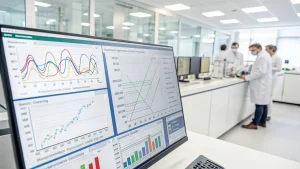
Data must be the basis for a company’s decision-making. Work order software collects and analyzes information to give teams valuable insights into their maintenance operations. These insights can assist managers in making data-driven decisions to improve efficiency and optimize performance.
Organizations can then recognize ongoing issues by identifying trends and patterns that they can work to address. Making decisions based on data improves the problem-solving and continuous improvement process. Organizations that have adopted maintenance management technologies have achieved a 60% improvement in work scheduling and labor efficiency, underscoring the critical role of work order software in optimizing maintenance operations.
Reducing Costs
Reducing costs is on every organization’s to-do list. Work order software reduces budgeting errors by making processes more efficient. Preventive maintenance involves scheduling tasks to ensure they are executed on time to avoid unexpected breakdowns and expensive repairs. Better resource allocation also delivers cost savings. In the long run, work order software has the potential to offer massive savings for companies that implement it.
Fostering an Environment of Ongoing Improvement
Improvement is the only way to ensure long-term success. Work order software also provides visibility into maintenance metrics. Organizations can monitor this data regularly to pinpoint weak areas and make changes accordingly. A culture of continuous improvement allows businesses to be at the top of their field. Such flexibility allows organizations to respond to changing needs within their sectors while providing high-quality service.
Conclusion
Implementing work order software is a big step forward in increasing maintenance efficiency. It offers many benefits by enabling streamlined processes, improved communication, and data-backed decision-making. It helps organizations achieve work efficiency, spend less money, manage compliance well, and initiate improvements. This software modernizes a company’s existing technology setup and enables them to invest in an efficient and robust maintenance system.
Photo by Firmbee; Unsplash

Rashan is a seasoned technology journalist and visionary leader serving as the Editor-in-Chief of DevX.com, a leading online publication focused on software development, programming languages, and emerging technologies. With his deep expertise in the tech industry and her passion for empowering developers, Rashan has transformed DevX.com into a vibrant hub of knowledge and innovation. Reach out to Rashan at [email protected]