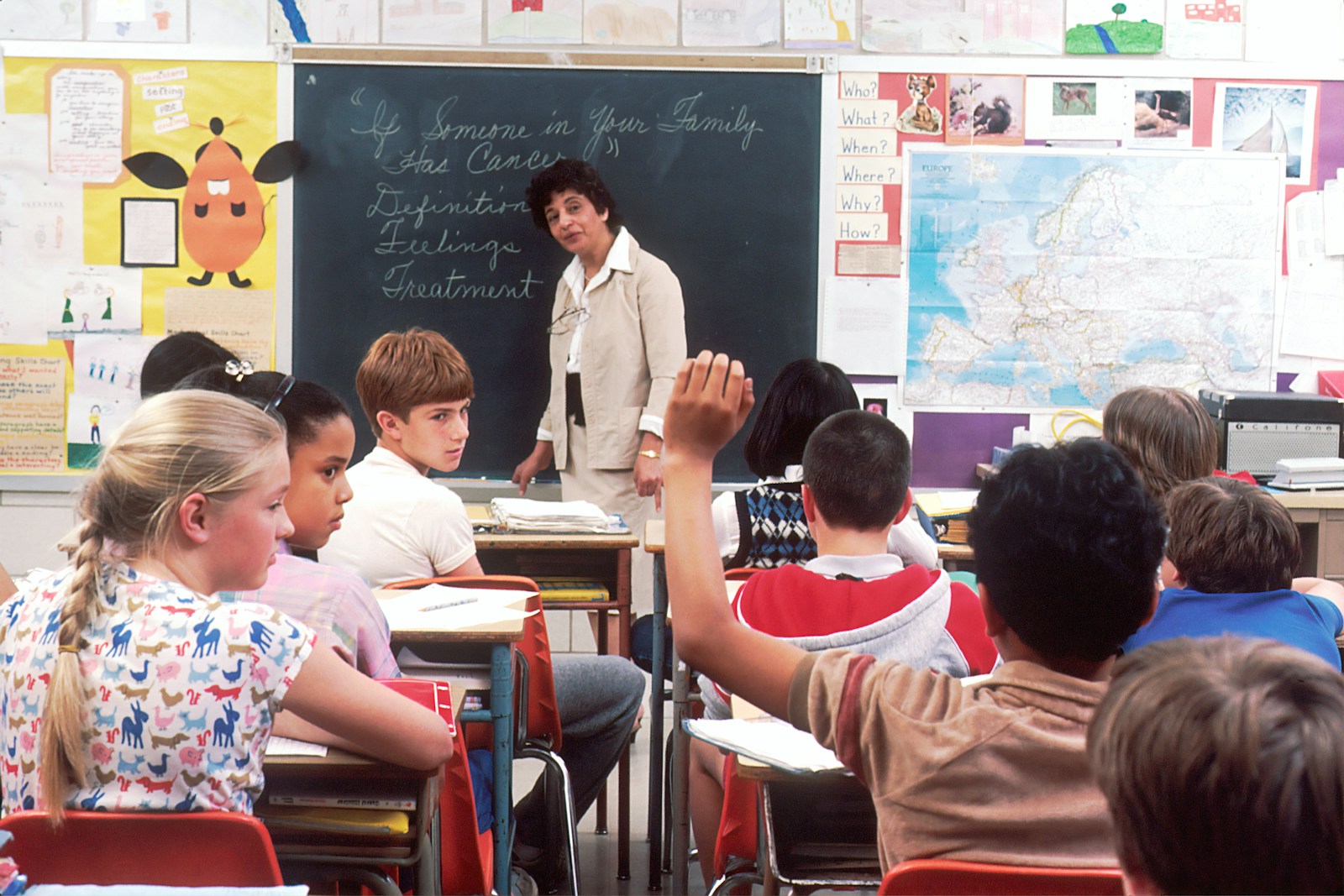
Almost half of children in Wales have been scammed online, according to new research released to mark Safer Internet Day. The findings highlight the increasing need for online safety education in schools. At Griffithstown Primary School in Pontypool, Torfaen, pupils aged between seven and 11 are being taught how to recognize scams.
Rebecca Thomas, a teacher leading these classes, emphasizes the importance of preparing children at a young age to be less susceptible to online scams in the future. Children are more likely to fall victim to online scams as we enter a more digital age,” said Ms. Thomas. “If something seems too good to be true, it probably is.
We teach them to identify manipulative language and other red flags that are commonly used in scams.
The aim of the class is to ensure that pupils remain calm and do not panic when they encounter a scammer. They are advised never to reveal personal information and to consult a trusted adult if they are unsure about the legitimacy of an online offer. Ms.
Thomas also notes that with the rise of AI, it is crucial for teachers to be mindful of new technologies that can make scams harder to detect. Nearly half of teenagers feel that online scams are becoming more convincing, and around a third worry that AI could make scams even more difficult to identify, according to the research. Young people are commonly targeted by fake giveaways and online shopping scams, which trick them into sharing personal information.
Online safety education in Wales
Oliver, a 10-year-old pupil at Griffithstown Primary School, mentioned an exercise focusing on an offer for a computer game. “It says click here for unlimited Roblox tokens and then says 10,000 tokens.
So that’s misinformation and normally when something sounds too good to be true, it is too good to be true,” he explained. Lyra, also 10, noted the importance of thinking critically about online activities. The research found that more than 80% of children aged between eight and 17 spot a scam at least once a month.
Scams can have emotional impacts, with many victims, including children, blaming themselves. Headteacher Nick Blackburn stressed the importance of teaching children to recognize scams. “There are so many traps out there that they could fall into.
It’s important we show them all the opportunities that ensure they are safe,” he said. Will Gardner, Director of the UK Safer Internet Centre, emphasized that education is key to tackling online scams. The Centre is focusing on intergenerational learning to support children, parents, and carers.
“For too long, young people have been overlooked, yet our research clearly demonstrates how much of an impact online scams can have on them,” he said.

Rashan is a seasoned technology journalist and visionary leader serving as the Editor-in-Chief of DevX.com, a leading online publication focused on software development, programming languages, and emerging technologies. With his deep expertise in the tech industry and her passion for empowering developers, Rashan has transformed DevX.com into a vibrant hub of knowledge and innovation. Reach out to Rashan at [email protected]