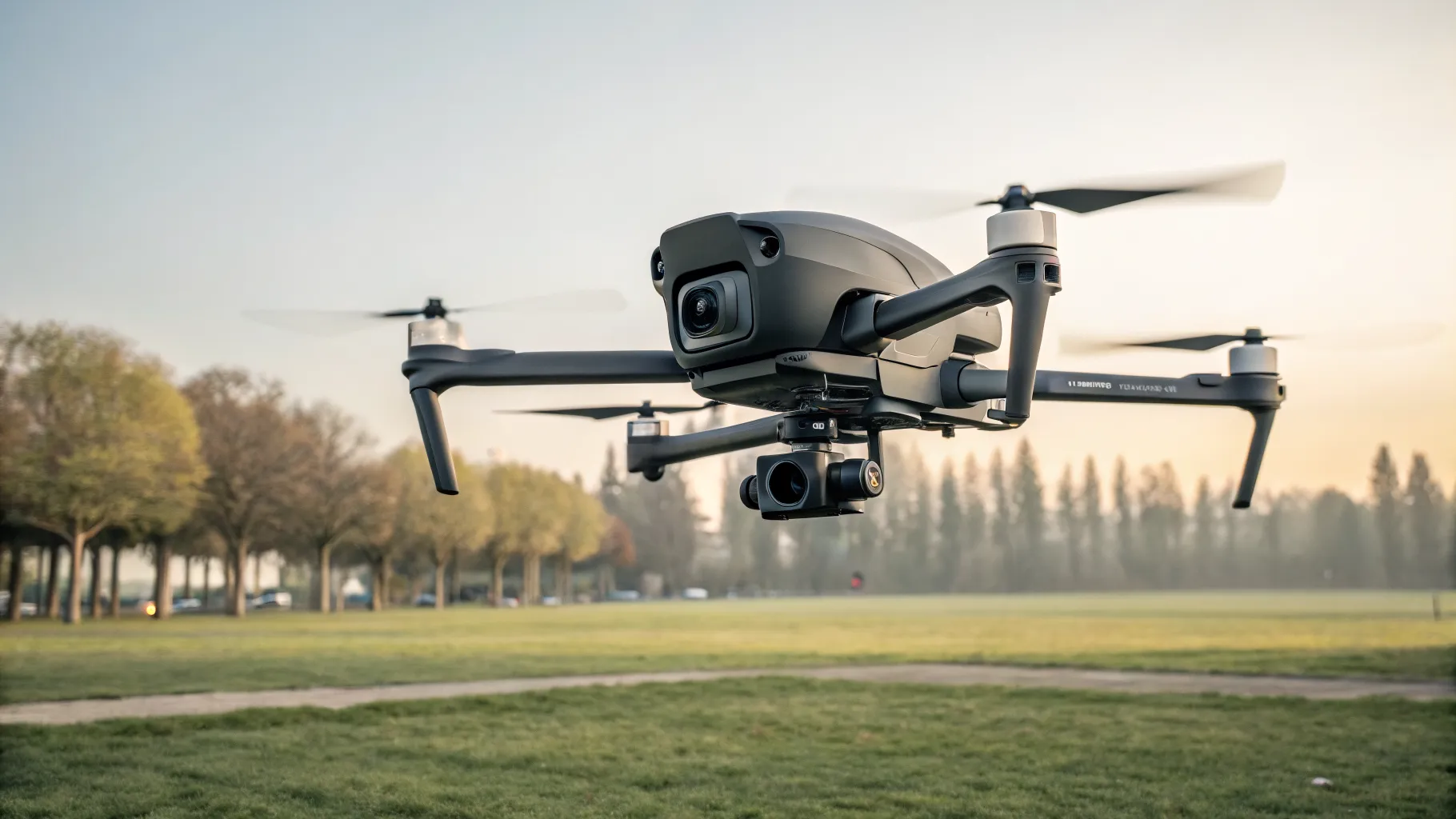
DJI has entered the 360-degree first-person-view arena with a model aimed at speed and versatility, introducing the Avata 360 to capture every angle in a single flight. The move places the company in direct conversation with action and 360 camera makers as creators push for faster shoots and richer visuals.
The Avata 360 records in all directions at once, letting editors extract multiple shots from one file. That includes wide establishing frames, tight tracking passes, and low-angle reveals without repeating the same route. A product description puts it plainly:
“Its new Avata 360 can shoot in every direction at once – meaning one flight can yield a wide establishing shot, a tight tracking close-up, and a dramatic low-angle reveal, all from the same file.”
The launch signals a shift in how aerial footage may be planned and produced, cutting re-flights and opening options for high-risk moves that are hard to repeat.
Why 360 FPV Now
FPV drones have surged in film, TV, and social video, prized for speed and agility through tight spaces. At the same time, 360 cameras gained ground by letting editors reframe shots in post. Merging the two trends promises fast capture with flexible editing.
DJI’s earlier Avata model brought goggles-first flying to a wider audience and expanded safety features. The new approach adds full-sphere capture to that formula. For crews working with limited permits, daylight windows, or tricky weather, a single pass that yields many shots can be a strong draw.
What Creators Stand To Gain
The core idea is time savings and coverage. One flight can cover several shot types with consistent motion and lighting. That reduces the chance of mismatched takes and cuts turnaround for short-form ads, tours, and sports clips.
Action filmmakers can fly a dynamic path, then pick a forward view, side angle, or overhead orientation later. For live events, producers can secure a master take and refine angles in the edit, rather than risk reruns that may disturb the venue.
Editing And Workflow Questions
Full-sphere video raises workflow demands. Reframing requires software, careful keyframing, and ample storage. Teams will weigh file sizes, bitrates, and stitching quality against the promised flexibility.
Stabilization and horizon lock matter as speeds climb. FPV moves can be aggressive, and editors will watch for motion consistency across reframed angles. Color handling across the sphere is another test when moving rapidly from light to shade.
- Larger files may strain cards and drives.
- Post-production time can offset on-set savings.
- Low-light noise and motion blur remain concerns.
Safety, Regulation, And Practical Limits
Any FPV platform must fit within flight rules, including line-of-sight requirements, airspace restrictions, and spotter use in many regions. Insurance and venue rules can also limit runs in crowds or indoor sites.
Battery life, weight, and prop guards will shape use cases. More cameras can add mass and reduce flight time. Pilots may trade top speed for endurance to complete a planned route. Clear preflight planning remains essential even with the promise of “capture everything.”
Competitive Field And Market Outlook
Consumer 360 cameras from brands like Insta360 and GoPro already offer flexible reframing, while FPV pilots often mount them on custom rigs. DJI’s integrated pitch is control, stabilization, and image pipeline under one system.
If the Avata 360 streamlines stitching and color management, it could narrow the gap between hobby builds and studio tools. If it carries a premium price or complex workflow, pilots could favor modular setups they already know.
Demand will likely come first from creators working in real estate tours, automotive spots, travel reels, and sports, where one flight with many deliverables improves margins.
What To Watch Next
Early tests will focus on image quality, motion smoothness at high speed, and ease of reframing. Accessory support, goggle integration, and third-party software plugins will influence adoption.
Training and safety programs may expand as more pilots try full-sphere FPV. Clear guidance on indoor operations and crowd proximity will be key for commercial work.
DJI’s Avata 360 sets an ambitious target: fewer flights, more angles, and faster edits. The concept appeals to creators under tight schedules. The next phase will depend on real-world footage, regulator comfort, and how well the workflow holds up on deadline-driven sets.
Related Articles

A seasoned technology executive with a proven record of developing and executing innovative strategies to scale high-growth SaaS platforms and enterprise solutions. As a hands-on CTO and systems architect, he combines technical excellence with visionary leadership to drive organizational success.