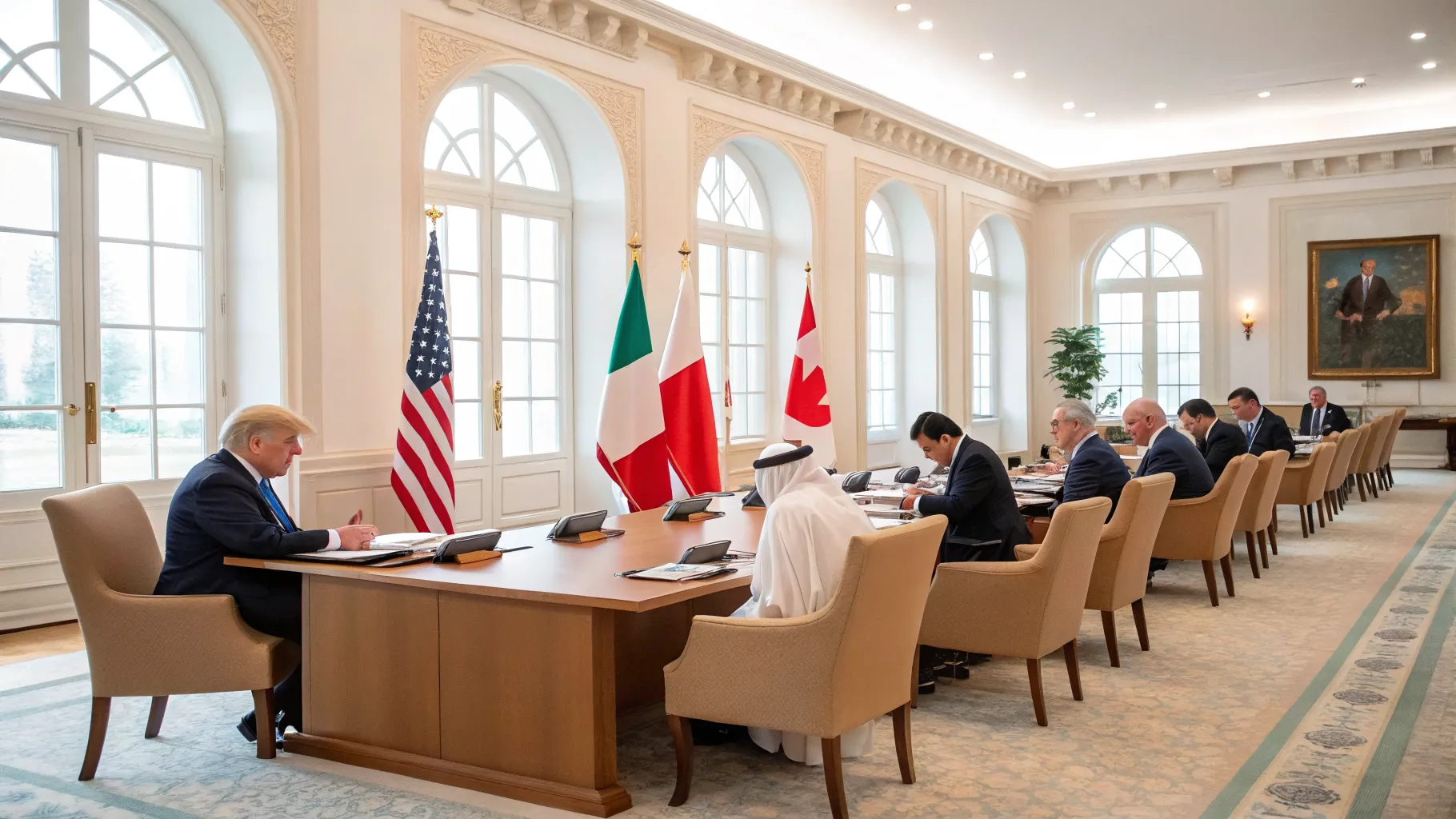
As discussion builds around a potential visit by former U.S. President Donald Trump to China, diplomats and markets are watching for signals that could shift high-level talks across capitals. The timing overlaps with rising economic pressures, strategic competition in technology and trade, and flashpoints from the South China Sea to Europe. Analysts say even small gestures or remarks could shape the tone of upcoming meetings among leaders in Asia, Europe, and North America.
“Today on ‘Uncanny Valley,’ we discuss how Donald Trump’s visit to China could influence conversations between world leaders at a moment when the economic and foreign policy stakes couldn’t be higher.”
Why This Moment Matters
Washington and Beijing remain at odds on tariffs, export controls, and access to advanced chips and manufacturing tools. Supply chain shocks since the pandemic, coupled with energy and commodity volatility, have pushed governments to weigh resilience against cost. Any outreach between a former U.S. leader and Chinese officials could test new messages on trade, investment, and security that current decision-makers will need to parse.
There is also political pressure. Elections across major economies have put growth, inflation, and jobs at the center of public debate. Shifts in tone from prominent figures can sway expectations for tariffs, investment screening, and rules on outbound capital. Even without formal agreements, comments made during a high-profile trip can set short-term narratives that steer negotiations or stall them.
Economic Ripples Across Trade and Technology
Business leaders are watching any signal on tariffs and technology controls. A softer tone could suggest room for calibrated measures that keep goods flowing while tightening rules on sensitive tech. A harder line might point to new barriers on semiconductors, AI tools, or cloud services, extending uncertainty for investors.
Supply chains are already adjusting. Firms have expanded “China plus one” strategies, adding capacity in Southeast Asia, India, and Mexico. A well-publicized visit could either calm executives who seek stability or prompt contingency planning if messaging hints at fresh restrictions. Currency markets and shipping rates could move quickly on headlines.
- Tariffs and export controls remain central flashpoints.
- Semiconductor tooling, chip design, and AI services face tighter scrutiny.
- Manufacturers continue to diversify sourcing to reduce single-country risk.
Security and Diplomacy: The Messaging Fight
On the diplomatic front, allies will parse language on Taiwan, the South China Sea, and the war in Ukraine. Even symbolic remarks can influence how partners line up their own statements in upcoming summits. If the trip projects a path to steadier ties, Indo-Pacific allies may amplify calls for maritime confidence-building and crisis hotlines. If not, expect stronger deterrence language and stepped-up joint exercises.
European leaders, balancing economic ties with Beijing and security commitments with Washington, could take cues on industrial policy and critical minerals. The degree of alignment between Washington and allied capitals often hinges on early signals. A single soundbite can become talking points for a week of briefings.
What Markets and Officials Want to Hear
Investors and policymakers will look for clarity in three areas: tariffs, tech controls, and military-to-military communication. A pledge to resume routine defense dialogues would be viewed as a safety valve against miscalculation. Guidance on export rules could help chipmakers and cloud providers plan spending. Any hint of tariff relief, even staged or conditional, would lighten cost pressures for manufacturers and consumers.
Silence or ambiguity would extend the status quo. That keeps hedging strategies in place and sustains political debate over reshoring, subsidies, and trade defenses. Clarity, even if it confirms tighter rules, helps firms budget and set delivery timelines.
Multiple Viewpoints, One High-Stakes Stage
Supporters of renewed engagement argue that frequent, high-level contact reduces risk and preserves economic ties. Critics say meetings without hard conditions can signal weakness and slow collective action on security and human rights. Both sides agree that the balance between trade and national security is now the core question.
Media commentary has framed the trip’s optics as almost as important as substance. If the public sees pragmatic dialogue, it could lower tensions among voters and business groups. If the visit appears combative, political camps on each side may harden, making near-term compromises harder to reach.
The days ahead will test whether high-profile diplomacy can steady a fragile period in trade and security. Clear messages on tariffs, technology, and military contacts would help markets and allies plan. If signals are mixed, governments are likely to double down on diversification and defensive economic tools while keeping backchannels open for the next round of talks.

Rashan is a seasoned technology journalist and visionary leader serving as the Editor-in-Chief of DevX.com, a leading online publication focused on software development, programming languages, and emerging technologies. With his deep expertise in the tech industry and her passion for empowering developers, Rashan has transformed DevX.com into a vibrant hub of knowledge and innovation. Reach out to Rashan at [email protected]