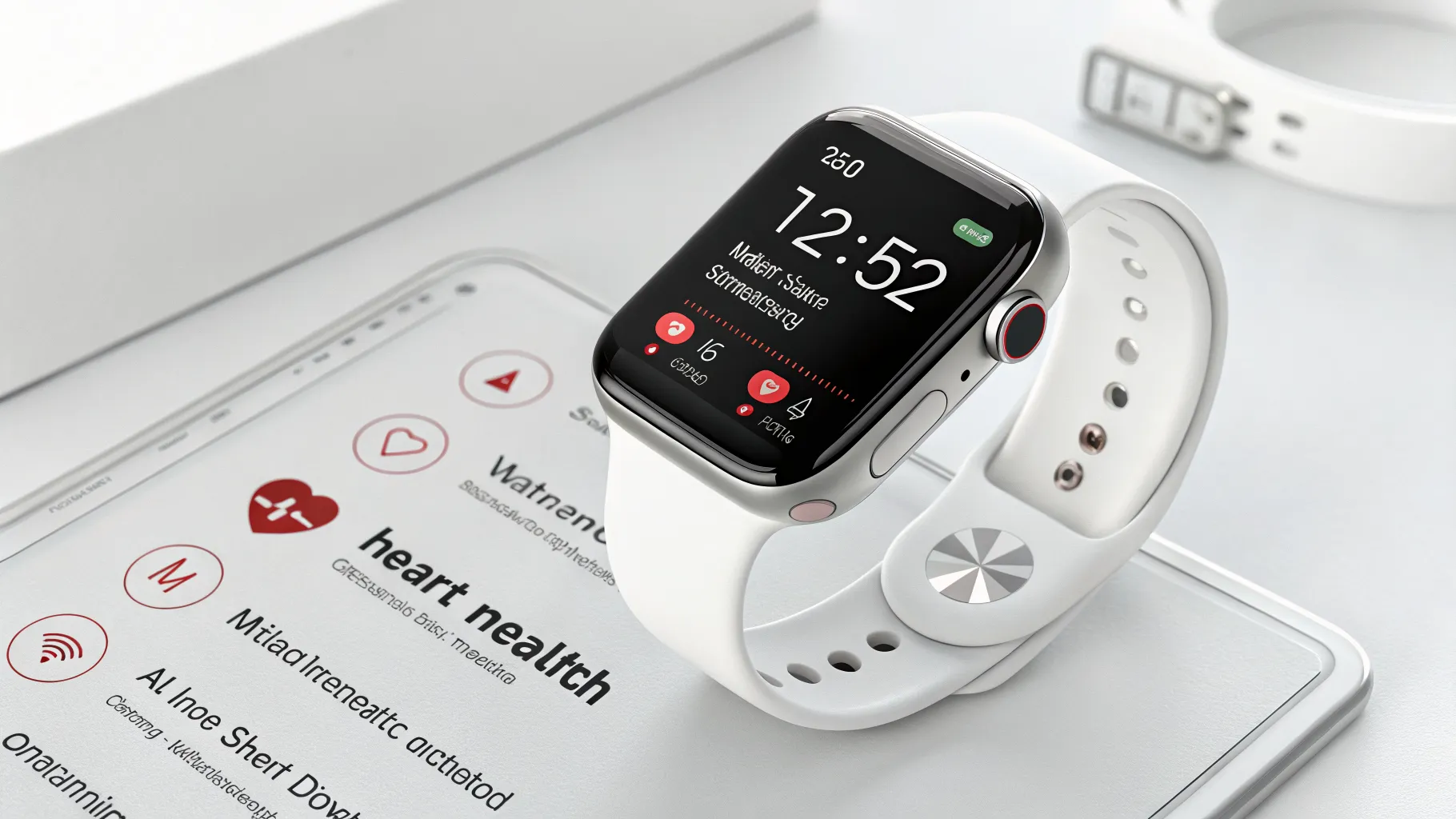
A new health wearable is entering the market with around-the-clock tracking features designed to spot early warning signs of heart and sleep issues. The device offers continuous monitoring and alerts aimed at helping users and clinicians catch problems sooner and adjust care plans faster.
The product’s star tools include 24/7 heart rate tracking, heart rhythm checks with atrial fibrillation alerts, blood oxygen readings, and detailed sleep analysis. It arrives as consumers place more trust in wrist-worn health tools and providers look for data that fills gaps between clinic visits.
What the Device Tracks
The device comes with health and fitness tracking like 24/7 heart rate, heart rhythm monitoring with A-fib alerts, SpO2, resting heart rate, heart rate variability, sleep stages and duration, and more.
These features target two growing needs: early detection of heart rhythm problems and better insight into sleep quality. The continuous stream of data may help users notice trends, such as rising resting heart rate or dips in blood oxygen overnight.
- 24/7 heart rate and resting heart rate
- Heart rhythm checks with A-fib alerts
- SpO2 (blood oxygen saturation)
- Heart rate variability
- Sleep stages and total sleep duration
Heart rate variability can hint at stress load and recovery. Sleep staging can show how much time a person spends in light, deep, and REM sleep. Together, these metrics can point to training readiness, illness onset, or the effects of medication and alcohol.
Why Continuous Monitoring Matters
Many heart conditions are intermittent and easy to miss in a short exam. Around-the-clock checks improve the chances of recording irregular episodes, including A-fib. Early alerts can push users to seek care sooner.
Nighttime oxygen dips may flag issues like possible sleep apnea. Over time, trend lines can reveal changes that a single test might miss. For active users, recovery markers can guide rest days and reduce injury risk.
Clinicians have shown growing interest in home data because it reflects daily life, not just a clinic visit. When shared responsibly, this information can help adjust treatment and support remote care.
Benefits and Limits
The appeal of these tools lies in accessibility. They are less invasive and more affordable than many clinical tests. They also provide feedback in real time.
But wearables are not medical-grade for every measure. False positives and false negatives can occur, especially with motion or poor fit. A-fib alerts should prompt a medical review rather than a self-diagnosis.
Users should also learn what each metric means. A single bad night of sleep or one off-target reading rarely requires action. Patterns over weeks matter more than one day.
Privacy and Data Control
As devices collect sensitive health data, privacy remains a leading concern. Buyers will look for clear settings to manage data sharing, strong encryption, and explicit consent controls.
Experts recommend checking whether data is used for ads, how long it is stored, and whether it can be deleted on request. Transparent policies can build trust and reduce misuse.
Market Context and Next Steps
Wearable adoption has grown with interest in preventive care and remote monitoring. Employers and insurers are testing wellness programs that reward steady use and healthy habits. Fitness brands are adding medical-style features as consumers ask for more value.
The new device enters a crowded field that includes smartwatches, fitness bands, and ring-style trackers. Differentiation will likely hinge on alert accuracy, battery life, comfort, and clear coaching inside the app.
Integration with healthcare systems could become a key edge. If reports are easy for clinicians to read and trust, the device could move from a fitness aid to a care companion.
The latest wearable promises a fuller view of daily health, from heartbeat to sleep depth. Its success will depend on how well it turns streams of numbers into useful guidance without alarming users. Watch for independent accuracy studies, clearer pathways to share data with doctors, and stronger privacy options as competition heats up.

A seasoned technology executive with a proven record of developing and executing innovative strategies to scale high-growth SaaS platforms and enterprise solutions. As a hands-on CTO and systems architect, he combines technical excellence with visionary leadership to drive organizational success.