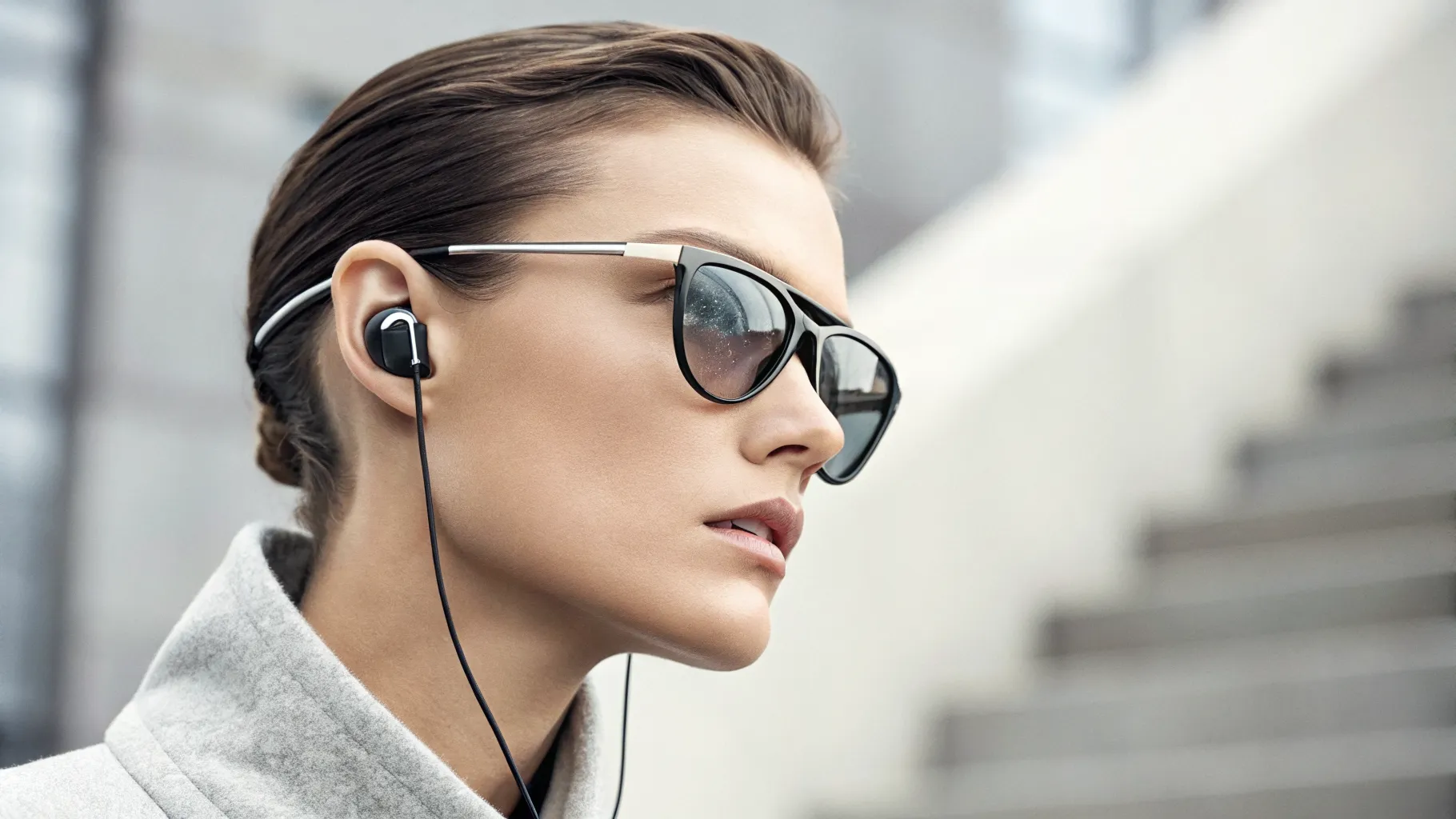
Google plans to return to wearable eyewear with new “audio glasses” arriving this fall, signaling a fresh attempt at a product category it once exited. The move revives Google’s push into smart eyewear after retiring its camera-equipped Glass line, and it positions the company in a growing market for open-ear audio devices that blend style with hands-free tech.
The upcoming release suggests a focus on sound and voice, not displays. That shift could avoid the privacy issues that dogged earlier smart glasses and give Google a clearer path to consumers who want discreet audio without earbuds.
“Google is back in the glasses game with ‘audio glasses’ out this fall.”
From Google Glass to Audio-First
Google Glass launched in 2013 as a head-mounted display with a tiny camera. It drew public interest and backlash, then shifted to enterprise use. Google ended support for the enterprise edition in 2023. The new eyewear points to a simpler approach focused on sound and voice.
Audio glasses use tiny open-ear speakers and microphones built into frames. They let users listen to music, take calls, and call up voice assistants while keeping ears open to the world. This format has gained traction as people look for less isolating alternatives to earbuds on commutes and in the office.
A Crowded Market With Clear Lessons
Google enters a field with active players. Meta’s Ray-Ban line added better microphones and livestream features in 2023. Amazon’s Echo Frames have centered on Alexa-driven tasks. Companies such as Anker and Razer have tried modular or gaming-friendly designs. Bose once promoted audio sunglasses but has since shifted focus to other open-ear products.
The pattern is clear: consumers value style, battery life, clear calls, and reliable voice control. Heavy or flashy designs tend to stall. Cameras raise concerns. Subtle, comfortable frames with day-long power do better.
What the Glasses May Offer
Google has invested in voice, search, and on-device AI. Audio glasses could tie those strengths together for navigation, messaging, and quick answers without a phone in hand. A display is not expected. That reduces cost and complexity and may help with public acceptance.
- Open-ear speakers for music and calls.
- Beamforming microphones for voice commands.
- Tap or swipe controls on the temples.
- Pairing with Android and support for Google Assistant features.
The company’s recent AI work could enable smarter voice summaries, message replies, and real-time information. Success will depend on how well these features work in noisy streets and offices.
Privacy, Design, and Battery Questions
Audio glasses face a few recurring concerns. People want clear sound that does not bleed to those nearby. They also want frames that look like normal eyewear. Battery life must survive a full day of mixed use without frequent charging.
Privacy remains part of the conversation even without cameras. Hotword detection, voice records, and data handling matter. Clear settings, easy muting, and light indicators can help build trust. Google’s handling of past assistant recordings drew public debate, so transparent controls will be key.
Industry Impact and What to Watch
If priced well and styled like standard frames, Google’s return could push audio glasses into the mainstream. Carrier and retail partnerships could widen reach. App support on Android may give the product an edge for quick tasks like directions or message triage.
This fall, watch for details on frame styles, prescription support, water resistance, and battery claims. Audio quality, wind noise handling, and call clarity will be make-or-break features. Integration with Android notifications and Find My Device could add value for commuters.
The announcement suggests a shift from flashy smart eyewear to practical daily tools. By focusing on sound and voice, Google is targeting a clearer user need. The coming months will show whether the company can turn that focus into a reliable, comfortable product that people actually wear.

A seasoned technology executive with a proven record of developing and executing innovative strategies to scale high-growth SaaS platforms and enterprise solutions. As a hands-on CTO and systems architect, he combines technical excellence with visionary leadership to drive organizational success.